Category Archives: coach

Why you don’t need to detox, cleanse or a reset:

🙅🏻‍♀️No detox, cleanse or reset needed

It’s likely your metabolic function that should addressed, consistency and patience that will bring about healing—Not a restrictive dietary protocol.

🔥 What is our metabolism?⁠

🔹Simply put, it is how well our cells use energy to do the jobs they are supposed to do.⁠

🔹The metabolism is the rate at which we convert calories and oxygen into energy AND how efficiently and effectively we use that fuel.⁠

🔹It doesn’t just affect how we gain and lose weight, it also affects how we function down to the cells themselves.⁠

🔹And every part of our body is made up of… CELLS.⁠

🔹And since hormones are made BY cells FOR cells (simply cellular messengers), it affects both our hormonal output and how we receive and respond to hormones.⁠

🔹Our metabolism affects:⁠

〰️ Detoxification (liver, skin, kidneys, etc.)⁠

〰️ Digestion⁠

〰️ Thyroid⁠

〰️ Adrenals⁠

〰️ Pancreas (enzymes & insulin)⁠

〰️ Menstrual Cycle/Reproduction⁠

〰️ Insulin Sensitivity⁠

〰️ Inflammation⁠

〰️ Immune System⁠


🔹This is why focusing on detox diets, cleanse protocols and thinking you need to “reset, is what suppress symptoms like weight gain or autoimmunity. It is a bandaid that often makes metabolic function worse in the long run.⁠

🔹This is why so many people share that symptoms go away for a while and then come back worse than before.⁠

🔹Heal your metabolism, heal your whole self.⁠

🔹Many factors affect our metabolism including our nutrition, the frequency of our nutrition, our mental state/emotions, our breathing, our nervous system, our movement, our environment, etc.⁠

How do we get started?⁠

🍑Nourish our bodies vs. restrict from our bodies⁠

🍑Provide enough calories from a balance of protein, carbs and fat⁠

🍑Take deep breaths⁠

🍑 Be patient, focus on metabolic health > weight loss.

🍑Make stress reduction and down time (doing “nothing”) a priority⁠

🍑Eat frequently & consistently⁠

🍑Prioritize sleep⁠

🍑 Increase daily movement (NEAT)

TLTR: you need a coach before a supplement. Stop Swinging the pendulum, reaching for these quick fixes and start living a lifestyle that’s balanced 🙌🏼

🗣 Link in bio for coaching
You’ve got to EARN your right to diet….

Most of new clients hire a personal trainer wanting to lose weight.

But ☝️ we usually have to enter into a different kind of diet before we can actually “diet”.⁣

Here’s why this process is important:

Most people come from a place of chronic dieting with only short periods of over eating…when they get sick of this yo yo approach to “dieting”⁣

It’s not unheard of for new clients to have been attempting a calorie deficit (and typically over-exercising) for 90% of their “fitness journey” 👉 meaning that their bodies are already in a stressed out, down-regulated state.⁣ (This was me up until May 2020. )


Instead of exacerbating this stress with MORE exercise and LOWER calories…⁣
⁣Our first goal is an optimal psychological and physiological baseline.⁣


⁣This is where you “earn the right” to diet; think of it like your buy in.

This could mean building/finding a sustainable maintenance calorie intake and amount of exercise.⁣

For others it might mean even pushing past this and eating in a small surplus to create an environment that’s extra supportive of muscle building for a period of time.⁣

*USUALLY* this looks like a progressive, structured increase in calories and revamping workout programming to be more focused on strength training instead of mostly cardio-based 🏃‍♀️⁣

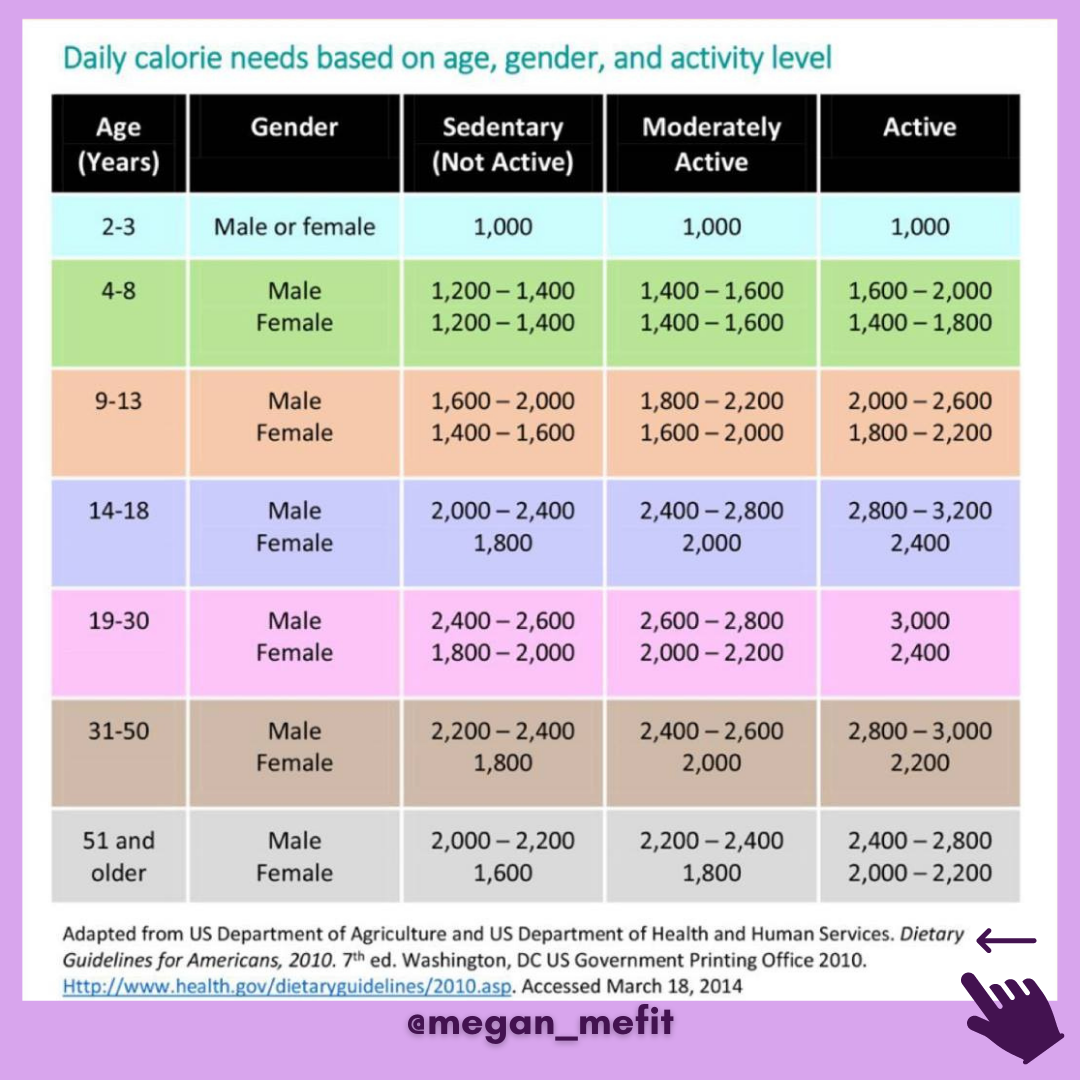
So where to start? Use the chart below to get an idea of daily calorie amounts, 1800-2100 calories per day, 25-30% coming from Protein. Focus on eating enough food, tracking your biofeedback (Sleep, Hunger, Recovery, Energy, Digestion, Stress) and see how all that improves.


Chronic dieting and over exercising often comes with the need for mindset shifts FIRST.⁣


Jumping into more dieting when you have already been dieting frequently, or if you’ve even just dieted too recently, can quickly lead to you spinning your wheels:⁣

🚫more metabolic adaptations (not good)⁣

🚫muscle loss (really not good)⁣

🚫no progress being made, even perhaps when taking things to extremes.⁣

The “diet before the diet” is just as important than the diet itself when it comes to mind & body changes over time.⁣

Please spend just as much, if not more, time optimizing your metabolism, building muscle, and living your life, so that when the time does come to diet down, things will be easier & allow for HEALTHY progress 💞⁣

Thank you Coach Kasey Jo for original post and inspiring this content.

Want more free content and support? Join my free FB support group for free resources

What is motivation? and How do we “get” motivated?

🔅TLTR:
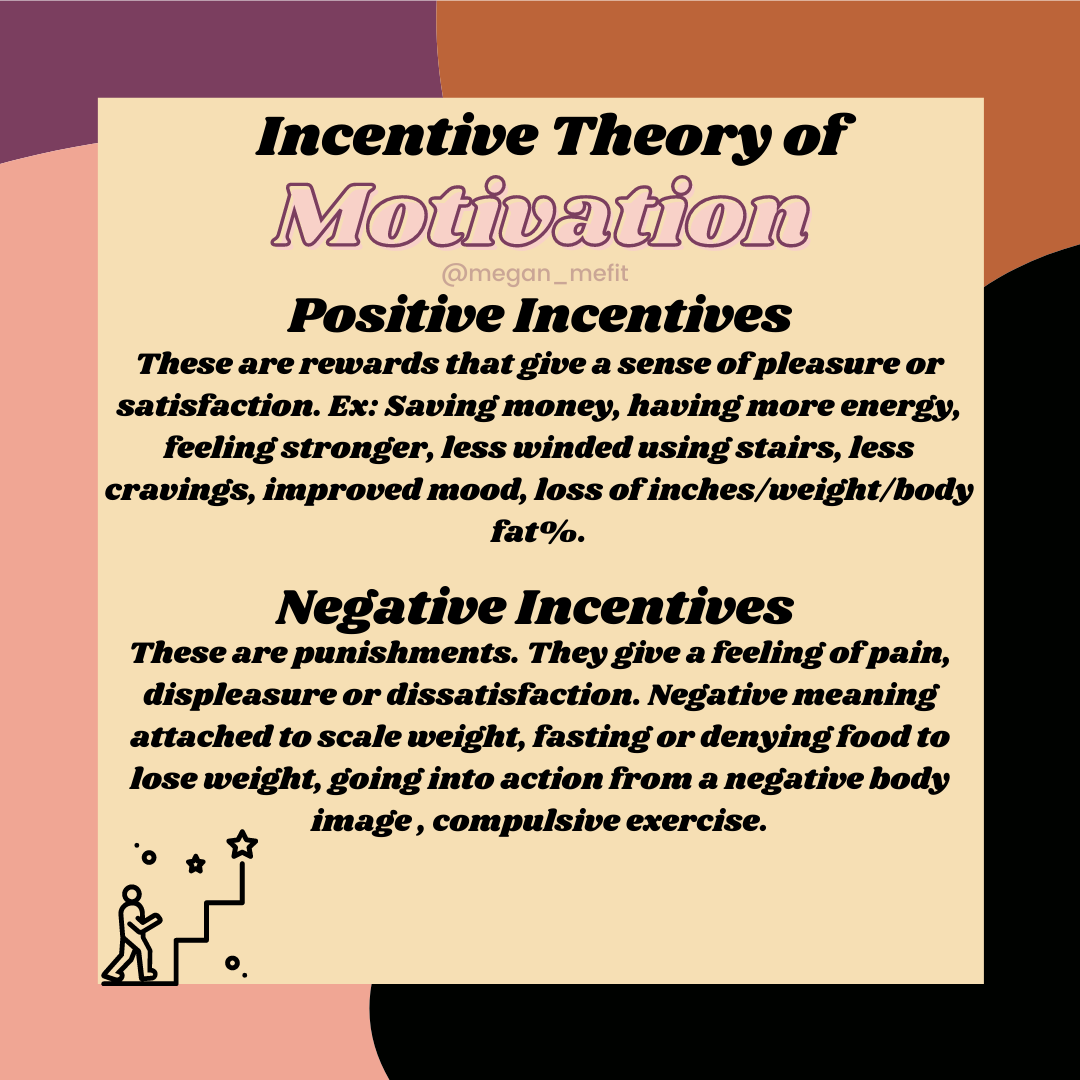
MOTIVATION is the driving force behind your actions. It isn’t something you simply have and keep forever, motivation is like campfire that you must keep stoking to benefit from the warmth
🔥

🔅SUSTAINABLE motivation comes from an intrinsic source. A place within you where you have self respect and self acceptance. You know the value of health. You believe in the power of your choices, and how they can impact your future. You chose to move your body, to nourishing your body, to prioritize your health, because of those reasons. 💛

🔆Creating motivation is the first step, and having a coach to help manage and maintain that motivation can be a crucial piece of your health and wellness journey 🧩!

🗣 Click link to set up a call to chat about how to get motivated for your goals Calendly – Megan_mefit📱 💪🏻

#onlinepersonaltrainer#onlinenutritioncoach#motivation#motivational#sundayvibes#sunday#fitnessmotivation#goals#motivationmonday#fitfam#fitness
#getfit#fitnessgoals#infographic#learnsomethingnew
#science#mindset#incentives#howtostaymotivated#getmotivate

Let’s talk about STRESS!

First what is stress? Anything that causes the body to STRAIN and use extra fuel resources while pulling those things from being used in important daily body functions.

When talking about stress in our lives, I like to think of it in these three categories. Bad stress (that is avoidable), bad stress (that is Unavoidable) and good stress which means providing something in exchange.

All stress is strain on the body, and all types of stress can break the body down.

The body can only handle a set amount of stress at one time, think about this as a stress bucket. Throughout the day-to-day you have unnecessary expectations on yourself, endless negative self talk, trippin’ over what a co-worker thinks of you, while you’re planning your wedding. And now you’re sick with a cold! That’s the body responding to the stress bucket being full.

Even if the new stress is in the good category, if the body is not resilient to stress due to lack of nutrients, lack of adequate rest, management and recovery–it will cause negative impacts on your health.

There are ways to manage the stress you feel and prevent it from growing and affecting your health. Here is some advice for more effective stress management:


-Recognize the events that cause stress. Be attentive to symptoms of stress and note the types of events that affect you most.
-Find out what the problem is exactly – this makes it easier to deal with it.
-Speak about your problems to people you trust. By expressing your feelings, you reduce the stress you feel.
-Speak with a professional if you need to do so.
-Learn about stress-management techniques, walk in nature, breathwork, yoga, hula-hooping, cuddles with pets, etc.
-Reduce tension through physical exercise.
-Don’t be too hard on yourself.
-Prioritize a consistent bedtime routine.

Stress management is a massive aspect of living and maintaining a healthy lifestyle. You cannot supplement away stress, sorry. All the herbs in the world, can’t do internal work for you. You got this. You are capable. You are amazing. I believe in you.

#onlinepersonaltrainer
#onlinehealthcoach
#stressmanagement
#stress
#healthylifestyle
#coach 

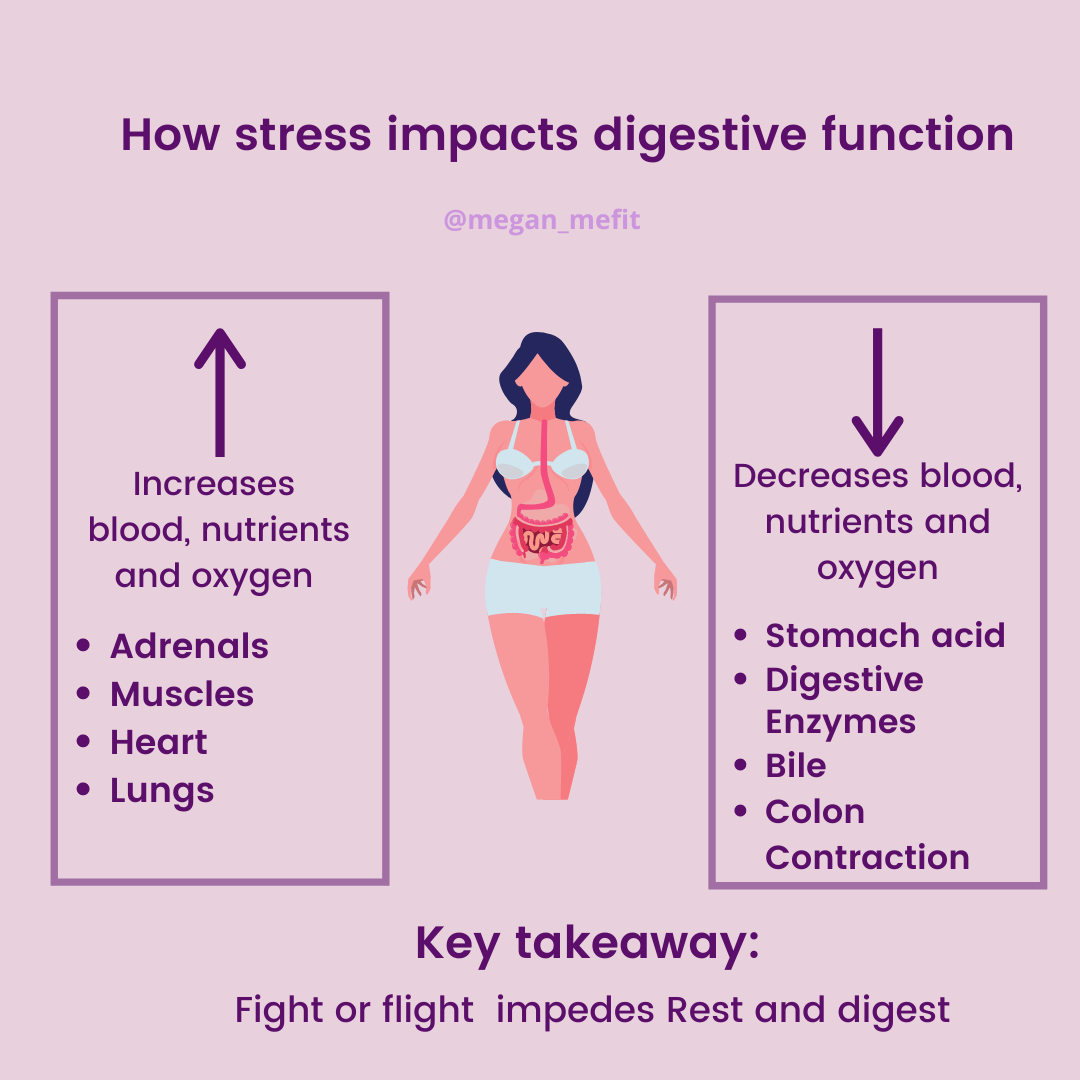
How stress impacts digestive function

The root of most gut problems, is the downgrade of metabolic health. It’s not the food honey, it’s the chronic stress.

First, what do I mean by stress? It is anything that causes the body to STRAIN and use extra fuel resources and pull those things from being used in important daily body functions.

What is digestion? The mechanical and chemical processes in which the body breaks down and absorbs nutrients from food. When we are in the fight or flight state, our body prioritizes survival, by pulling power from digestive organs and sending blood, oxygen and nutrients to the organs like heart, lunges, adrenals and muscles.

The energetic state we are in when consuming our food matters. Eating mindlessly or in a stressed out environment leads to not chewing food properly. When we swallow large chunks of food, this leads to issues in the gut. Being in a stressed state means less stomach acid, digestive enzymes, sluggish bile, and less colon contractions. Large chunks of food can lead to fermenting, rotting, irritation and feeding of bacteria.

Ideally, food is broken down into liquid before swallowed, this allows for maximal absorption later in the intestines. A good rule of thumb is count to 20-30 chews before swallowing. As long as you do this, until you lose count at least–that’s a step in the right direction. Mechanical digestion mastication and peristalsis (chewing and movement through the gut) are equally crucial as chemical digestion for absorption of nutrients.

Digestion begins in the brain and nervous system, as well as the senses. How appetizing your plate is, the smells, tastes and textures. Salvia (drool) itself contains digestive enzymes.

Creating a pre-meal ritual where you take a few deep breaths to relax your brain and body is helpful when going through stressful times. As counterintuitive as it may seem, the more you enjoy your food and incorporate mindful eating practices into the daily routines, the better your digestion, absorption and overall satisfaction will be.

#stress#digestivehealth#digestion#diet#personaltrainer#nutrition#stressmanagement#deepbreaths#vagusnerve#mindfulness#mindful#mindfuleating

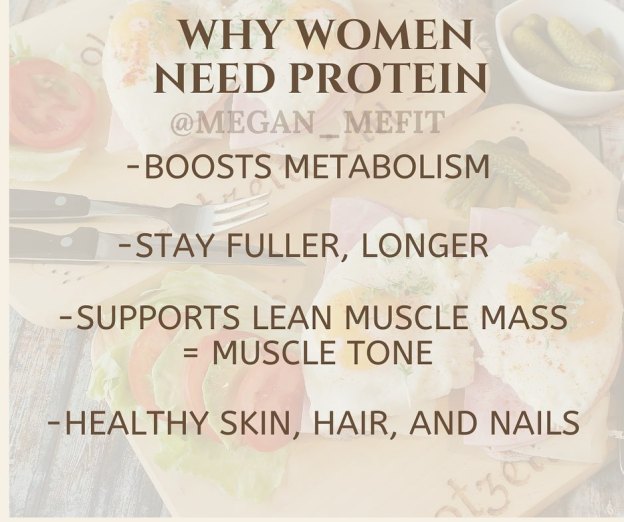
Why women need ample protein intake

When on-boarding new clients, one of the first things we focus on is daily protein intake.

  1. It boots metabolism- protein has a thermic effect upward of five times greater than carbohydrates or fat.
  2. Stay Fuller, longer- A growing body of research suggests that dietary protein specifically, can help promote satiety, facilitating weight loss when consuming as a part of a reduced energy diet.
  3. Supports lean muscle mass- Studies show that protein before and after a workout increases protein synthesis=muscle growth. It also preserves current muscle mass, which is part of a healthy aging process.
  4. Healthy skin, hair and nails- protein supplies the body with the amino acids it requires to make keratin-one of the structural proteins in our skin, hair and nails. To boost your body’s natural keratin production, you need to consume an adequate amount of protein, as well as specific vitamins and minerals that support this process.

,

What is Fasted Cardio and Does it work?

What is Fasted Cardio and Does it work?

Simply put, this involves getting your heart rate up without eating anything prior. A true fasted state starts at about 8-12 hours after your last meal. However it can happen for some people if its been 3-6 hours, but most people do fasted cardio in the morning to ensure their body is in a completely fasted state.

According to science, there can be some benefits! You can burn up to 20% more body fat by exercising in the morning on an empty stomach according to one study published in British Journal of Nutrition. Another study from University of Scranton revealed it may lead to a reduced calorie consumption in the next 24 hours that follow the fasted workout.

The idea that exercising in a fasted state burns stored energy (fat and glycogen) versus energy that you have just consumed.

What’s important to keep in mind, the intensity of the exercise should be low. Think jogging instead of a hard run or a sprint. Or slow climbing on the stair master, not attempting your Orange theory workouts.

Fasted cardio not only burns stored fat and carbs but it can also burn stored protein in the form of lean muscle–which is NOT desirable. Sipping on our amazing Recover BCAA product can alleviate some of this breakdown.

BOTTOM LINE: Fasting primes your body to take in nutrients once the effort is over, which means you should look for protein and carbohydrates to help refuel your muscles. The International Society of Sports Medicine recommends consuming .14-.23g of protein per pound of body weight very soon after a workout. That’s 20 g of protein for a 140 woman.

GOOD NEWS: There is room to experiment, feel out the right approach for you, whether or not fasting is pat of the equation.

IMG_1150

How to cut calories without starving yourself👇

Your best bet for fat-loss success is to create a modest caloric deficit and make smart food choices so you feel satisfied — not starved. One of the most common mistakes I see is athletes that are under-eating. If they aren’t seeing results, they think it means eat less. Instead of MORE! If you are wondering how much you should be eating for your goals–REACH OUT TO ME!

Cutting a ton of calories at once actually slows the metabolism and can cause the body to not want to let go of the fat stores because it believes to be in a ‘starvation state’.

Plus, it’s hard to maintain a severe caloric deficit, if you aren’t getting the energy needed to function, your body spikes your hunger hormones, causing you to seek food.

This is why fad diets and uneducated diet approaches don’t work. You are underfed and undernourished.

Three Tips for cutting calories without starving:

1) CUT GARBAGE CALORIES
A lot of today’s grab-n-go convenience foods provide very little to NO nutritional value and a ton of calories. Cut out the Alcohol, candy, soda, junk food and baked goods. Once a month, sure have an indulgence, but daily consumption is not recommended.

2)USE VEGGIES TO FILL YOU UP
“Volume foods” are a saving grace for those folks in a calorie deficit. Veggies like kale, spinach, bok choy, zucchini, cabbage, onions can help you feel full, your plate look full and provide lots of nourishment without the calories.

3)SWAP LOW-FIBER FOODS for HIGH-FIBER FOODS
If you have had a hard time adhering to more complicated diet regimens, research shows that boosting your daily fiber intake may be an effective weight-loss strategy. Foods high in fiber (apples, oats, green beans, cauliflower) tend to be fewer calories for the same volume of food and digest more slowly than low-fiber foods.

fiber

Do you struggle with cravings?

😨🙅🏻‍♀️Cravings 😬😳
We all have them-its normal.

mindfuleating


My top tip?!
Outsmart your Cravings🤓

Some research suggests that trying to eliminate favorite foods from your diet can lead to increased cravings, particularly cravings for the foods you are trying to avoid. But other studies demonstrate that with sensible portions, commonly craved foods can be part of a healthful diet to support weight loss.

Based on the research, a trick to outsmarting cravings may be to enjoy your favorite indulgent foods in a way that is consistent with your health and weight loss goals. The following tips can help you create your own plan to outsmart cravings and enjoy your favorite foods in moderation.

1. Make it an occasion. 15% FUN 🎉

Save your favorite indulgent treats for a special occasion. For example, if you crave ice cream, go out with friends for an ice cream cone instead of keeping a gallon of ice cream in your freezer. When you decide to indulge, you’ll be sure to enjoy your craved foods to the fullest while avoiding constant temptation of these foods in your home.

2. Plan for a smart portion.

One concern with craving is that they often lead us to eat more than intended. Outsmart your cravings by planning for portion control. Whether you are craving something savory and crunchy or something decadently sweet, choosing an individually packaged, portion-controlled option can help you satisfy cravings without the guilt.

3. Balance indulgent foods with healthful options.

Including your favorite, most craved foods in a way that still supports your health and weight loss goals means making balanced choices. One way you can find balance is to include a sensible portion of craved foods as part of a healthful meal. Imagine you are craving pizza. Instead of eating only pizza, plan a more balanced meal that includes one or two slices of your favorite pie along with a large, crisp salad. Balancing indulgent foods with healthful options is likely to leave you feeling more satisfied and can help you consume fewer calories overall.

Choosing a more balanced, sensible approach to indulgent foods can help you conquer your cravings for weight loss success. Remember, attempting to cut out your favorite foods from your diet is not only unnecessary, but might be counterproductive for achieving your health and weight loss goals.

Second tip: Identifying WHY you have these cravings, is another strategy-maybe your body communicating with you and could be indicating you need a specific nutrient.

🍪 🍰Cookies,Cake 🍭
Needing quick calories, energy boost, minerals
Try to eat an Isalean Shake, rice, sweet potatoes, potassium packed produce like bananas and avocados.

Chocolate 🍫 often indicate that your body is deficient in magnesium, which is a common deficiency. Dark green leafy veggies are a great source!

Read more: https://www.isagenixhealth.net/conquer-cravings-weight-loss/

Addressing Visceral Fat

9516E825-425E-4C0A-A72A-909FED0648E6.jpegUnderstanding body composition-lean body mass, skeletal mass, body fat percentage and how it relates to optimal health and disease prevention is a fresh outlook in regards to weight wellness instead of strictly weight loss.

I believe in the importance of having body competition data to be sure we are losing body fat and gaining muscle when we see the scale shifting in either direction.

Let’s talk visceral fat:
First off there are Two types of Abdominal Fat-
Subcutaneous- the fat that is outside of your organs, can pinch with fingers
Visceral- Surrounding the organs, deadly in high amounts

What causes high visceral fat? Poor diet, lack of exercise, stress, aging, hormones and genetics.

When it comes to health, there is so much more to the picture than weight loss. Creating long term habits that build the foundation of wellness will make weight loss more sustainable and achievable.

Stress Management:
There are many easy activities you can incorporate into your daily life to help shift your focus and your mindset when you begin to feel stress. First, focus on what can you take direct control of: this may be incorporating the use of stress-modulating herbs called adaptogens into your diet, participating in an exercise program you enjoy, a spa treatment, cooking a meal you love, or simply turning off your phone for an hour.

Whatever your stress relieving activity is, schedule it into your calendar at least once a week. It is crucial to make room in your routine for important self-care tasks, like you would with a doctor or dentist appointment. Dedicating time throughout your week to self-care routines will improve the consistency of your actions.

Mindful Eating Practices:
Paying attention to the physical feelings of hunger. Are you physiologically hungry and actually in need of nutrition? How does this meal have you feeling? are you excited to prepare it? Excited to eat it? 

Identifying cravings: This is your body communicating with you and could be indicating you need a specific nutrient. Example: Craving salty foods like pickles or chips could mean you need to replenish sodium and/or electrolytes. Try adding ConcenTrace Mineral drops to your water, or make your own kale chips for a healthy snack. Craving onions could mean you need more sulfur in your diet for liver function. Chocolate cravings often indicate that your body is deficient in magnesium, which is a common deficiency. You can try adding mineral drops to your water and if you’re going to eat chocolate try adding cocoa powder to you smoothie, or dark chocolate.

Sensation of fullness: Also known as satiety. Having fiber, balanced protein and healthy fats as part of your meals and snacks will help you feel full after eating.

Taste satisfaction: Enjoying the food you eat is important for your body to get the most nutrition for your cells.  “Healthy” eating doesn’t have to be boring! Explore new spices, fresh herbs and seasonings. New recipes will excite your meal planning.

Gratitude: Take a moment before you consume your meal to think what it took to get from farm to table. It is recommended we chew our food 20-30 times before swallowing. Focus on feeling satisfied about how you have chosen to fuel your body.

New findings published in the Journal of Obesity suggest that combining a technique called mindful eating with stress management can help reduce cortisol levels and the resulting belly fat. The most effective mindful eating practices are paying attention to the physical feelings of hunger, identifying cravings, sensation of fullness, and taste satisfaction so you fully enjoy your eating experience and feel satisfied about how you have fueled your body.

Link to the Journal of obesity study: https://www.hindawi.com/journals/jobe/2011/651936/

TO Read more about stress management: https://bridgecitywellness.wordpress.com/2017/06/07/is-stress-making-us-fat/

To read more about mindful eating and quality foods over quantity: https://bridgecitywellness.wordpress.com/2017/02/13/stop-counting-calories/