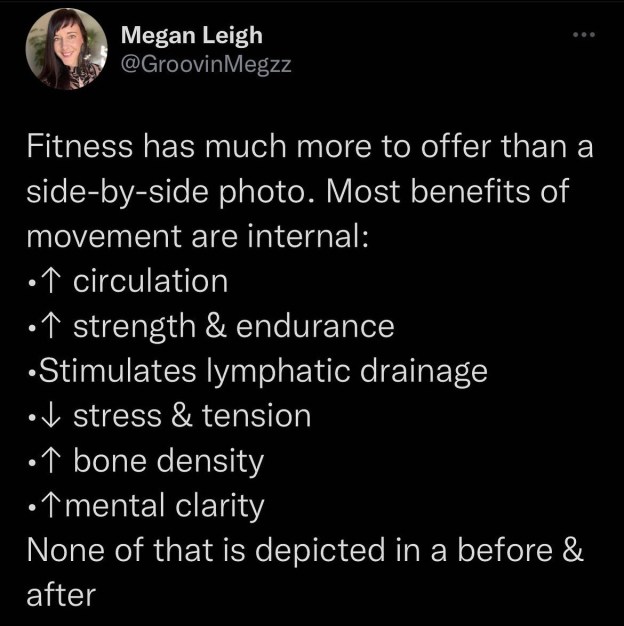
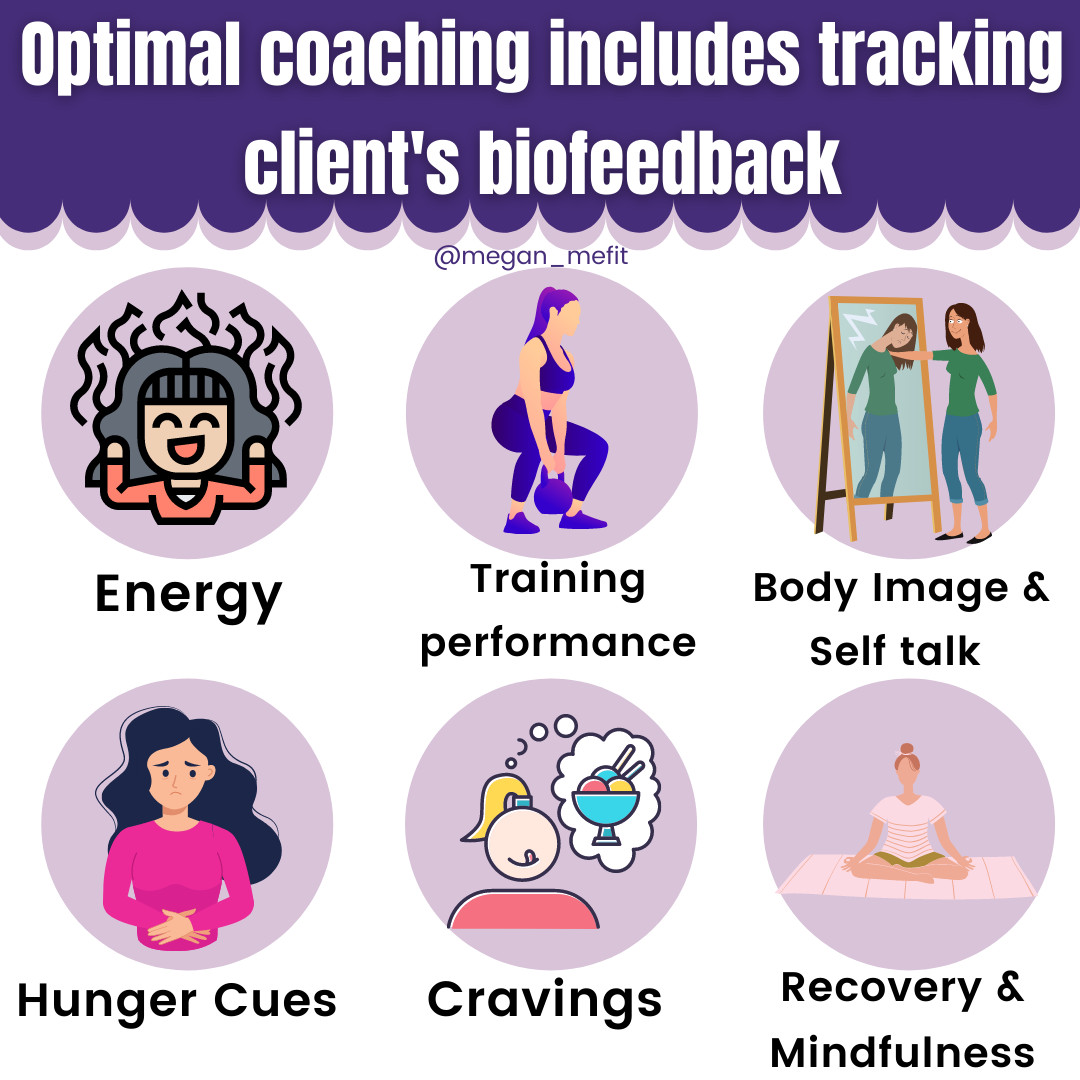
There are many things not depicted in a before/after photo. IE: What were the eating behaviors, relationship with food, was it restrictive? What were their exercise behaviors like? Did they prioritize rest, recovery and hormonal health, and other biofeedback? Did they develop more confidence in the gym or an obsession about being lean & athletic? Was their training performance better? Or worse?
What’s problematic behind these images: By nature, they create comparison & It suggests an endpoint, where the AFTER is the life and body of their dreams and everything is perfect. 😬🙅🏻♀️That’s not how it works.
There are NO before & afters. It’s all just during! It’s time to focus on the journey, 🗺 not a false destination! 📍
To be clear I’m not 💯 against before/after photos, they can be a great tool when used correctly if your mindset and relationship with your body are both in a good place. 🎯
As my coaching friend @rpendakur puts it “The job of a good coach is not only help you reach your goals; it’s also to minimize risk and get you there in the healthiest way possible. This doesn’t always mean the fastest way or according to your timeline. It also doesn’t mean that this will automatically happen in six, eight, or 12 weeks, even though transformations are constantly sold to us as such.”
That’s why in my coaching process we focus on body neutral fitness, & how they want to FEEL when they accomplish our goals. Success is a feeling ✨✨ •Reflecting on improved mood, energy and confidence •Improved strength & endurance •Less aches and pains Just to name a few!
When on-boarding new clients, one of the first things we focus on is daily protein intake. I encourage clients to aim for at least 100 grams a day (definitely more when strength training).
Variety is KEY-eggs, dairy, organ meats, ruminant animals, warm water fish, seafood and poultry can make THE difference. Balancing protein with glycine rich gelatinous foods like meats with the joint, bone broth, gelatin and collagen helps us utilize the protein from muscle meats better.
Read more 👇🏻👇🏻
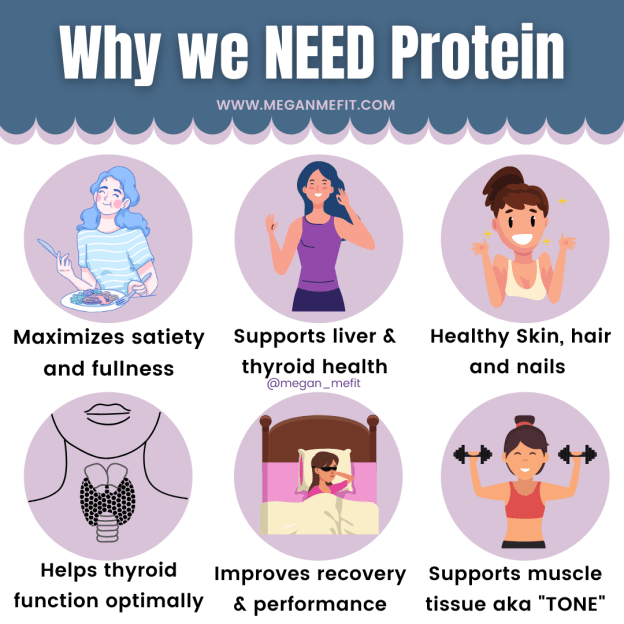
•A growing body of research suggests that dietary protein, specifically, can help promote satiety, facilitating weight loss when consumed as part of reduced energy diets.
•Studies show protein before and after a workout increases protein synthesis = muscle growth. It also preserves current muscle mass, which is part of a healthy aging process. 💪🏻
•The thyroid and liver have a high need for amino acids. The liver requires amino acids to breakdown estrogen, other hormones, toxins AND convert T4 into T3 for a high metabolic rate.
•Protein supplies the body with the amino acids it requires to make keratin – one of the structural proteins in our skin, hair, and nails. To boost your body’s natural keratin production, you need to consume an adequate amount of protein, as well as specific vitamins and minerals that support this process. 💅🏼
•Protein has a thermic effect upward of five times greater than carbohydrates or fat.
•Protein before bed supports muscle gains, performance and recovery from workouts.
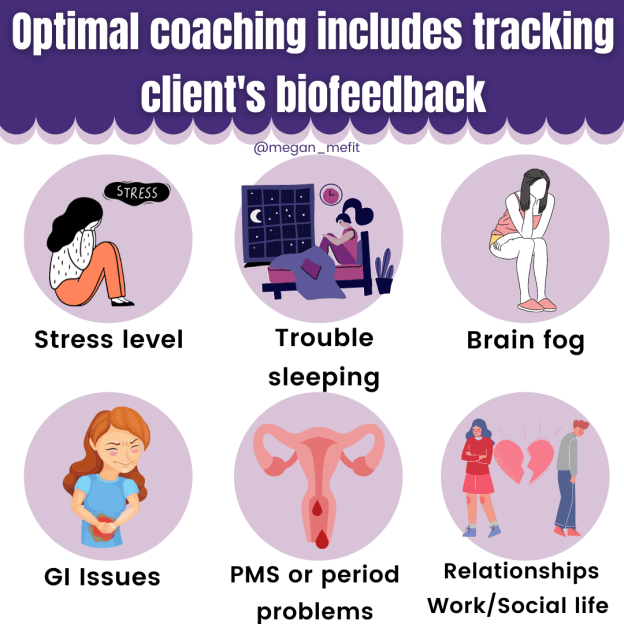
Oftentimes, for clients that are experiencing negative feedback, there is an underlying cause that needs to be addressed, BEFORE physical transformation goals.
💤 Improper sleep or stress management can lead to hormone imbalances that inhibit recovery.
😣Digestive issues can be a sign of chronic stress, low stomach acid, and food intolerances.
🥺Mood, focus and libido changes may be linked to under-eating, hormonal imbalances, gut issues etc.
Ex: I had a new client eating 1700ish calories/day, HIIT boot camp style workouts 6x/week, missing her menstrual cycles, hungry all the time, mood swings, constipation, and poor recovery. Over the last year, we have gotten her calories up to 2500+ per day, switching her fitness programming to strength training with progressive overload (and DELOADs) Her period is BACK! Her digestion and recovery have improved, mood and energy have increased, and her hunger is feeling more controlled. 🙌🏼 So proud of you @brooklynnmarois
The only reason, I KNEW all these things, is because I asked.
Some coaches & programs DO NOT take any subjective or objective assessments before beginning & throughout your program 🚩 RED FLAG 🚩
One of the many variables in fitness program creation is “training volume” (How much you’re doing in a specific time. That can be per workout and within the program itself)
In order to properly prescribe this, a coach needs to understand their clients: fitness level, goals, age, work capacity, recoverability, nutritional status, injury history and life stress.
IF your coach/trainer didn’t ask you any of these things, walk away slowly. 👋 😝
While physical changes are often used to measure progress, monitoring how you FEEL in response to your nutrition and exercise program is also important. It provides insights to how your metabolism is performing and which possible variables to manipulate in order to see improvements. 💥
📝 NOTE: Assessing biofeedback does NOT replace the need for lab work or medical attention. 👩🏼⚕️
Welp, it is the first week of the New Year 🗓. And every January, millions of Americans begin their new year with some sort of diet.
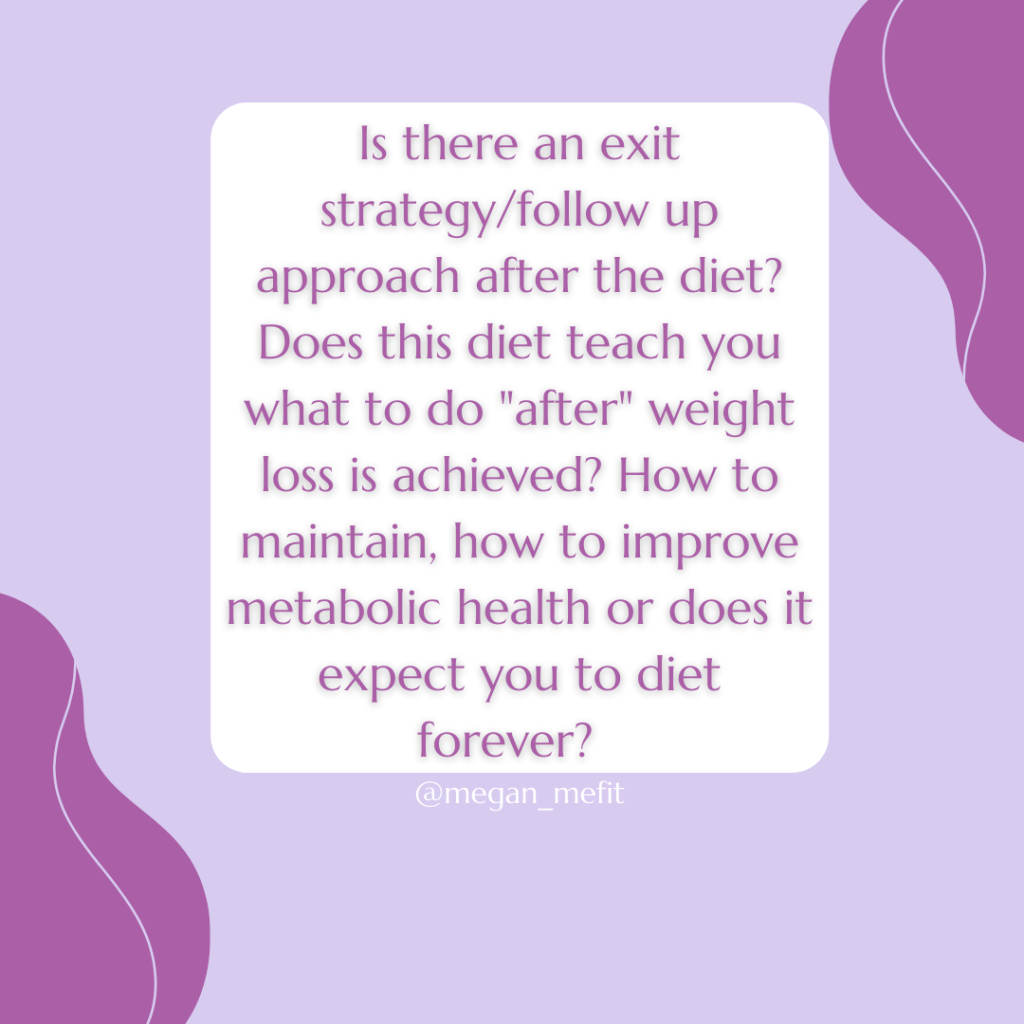
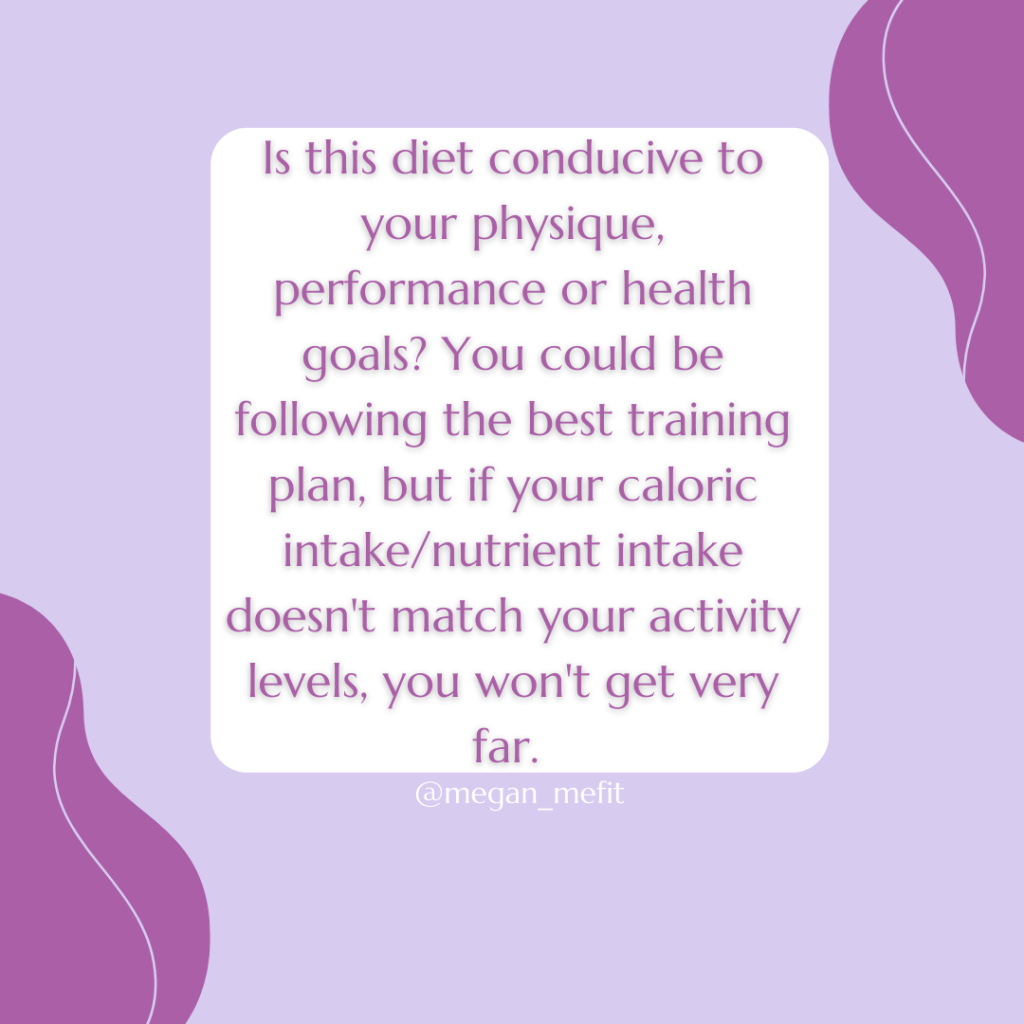
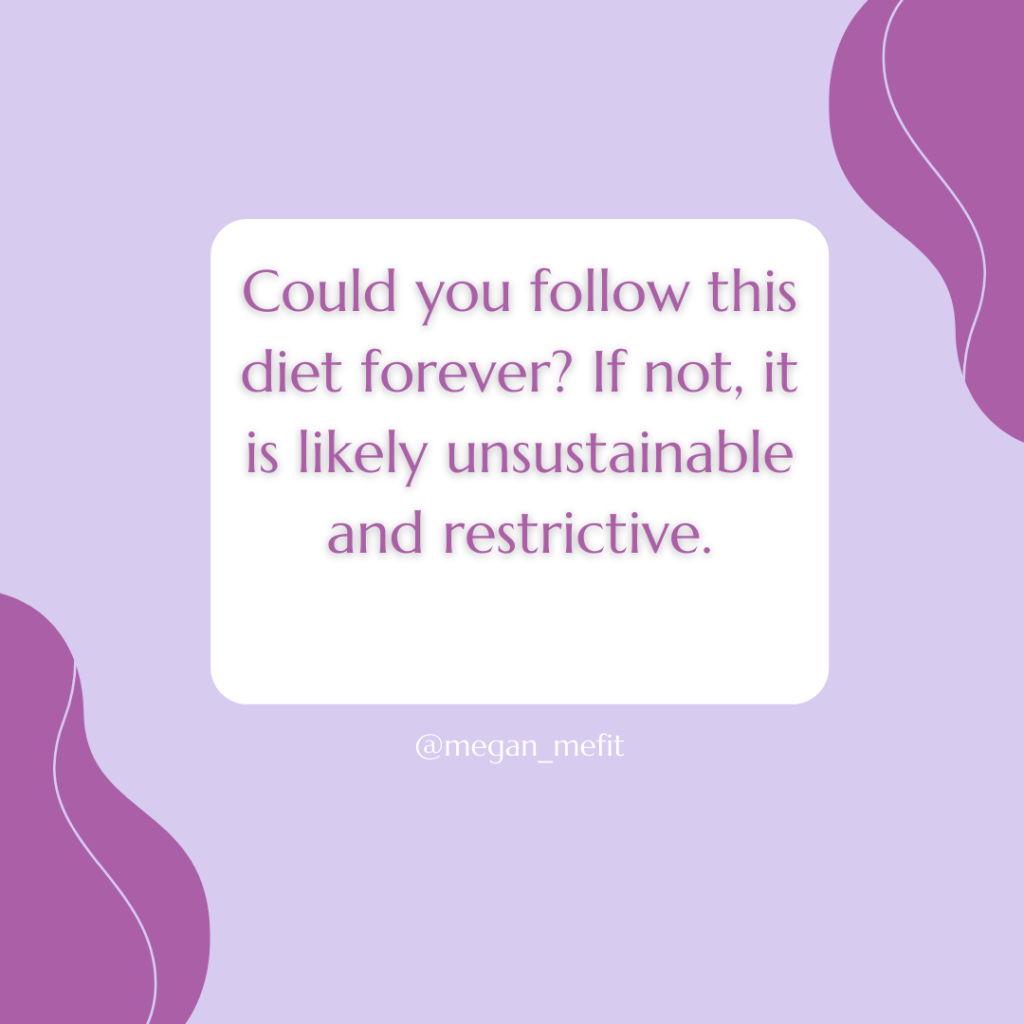
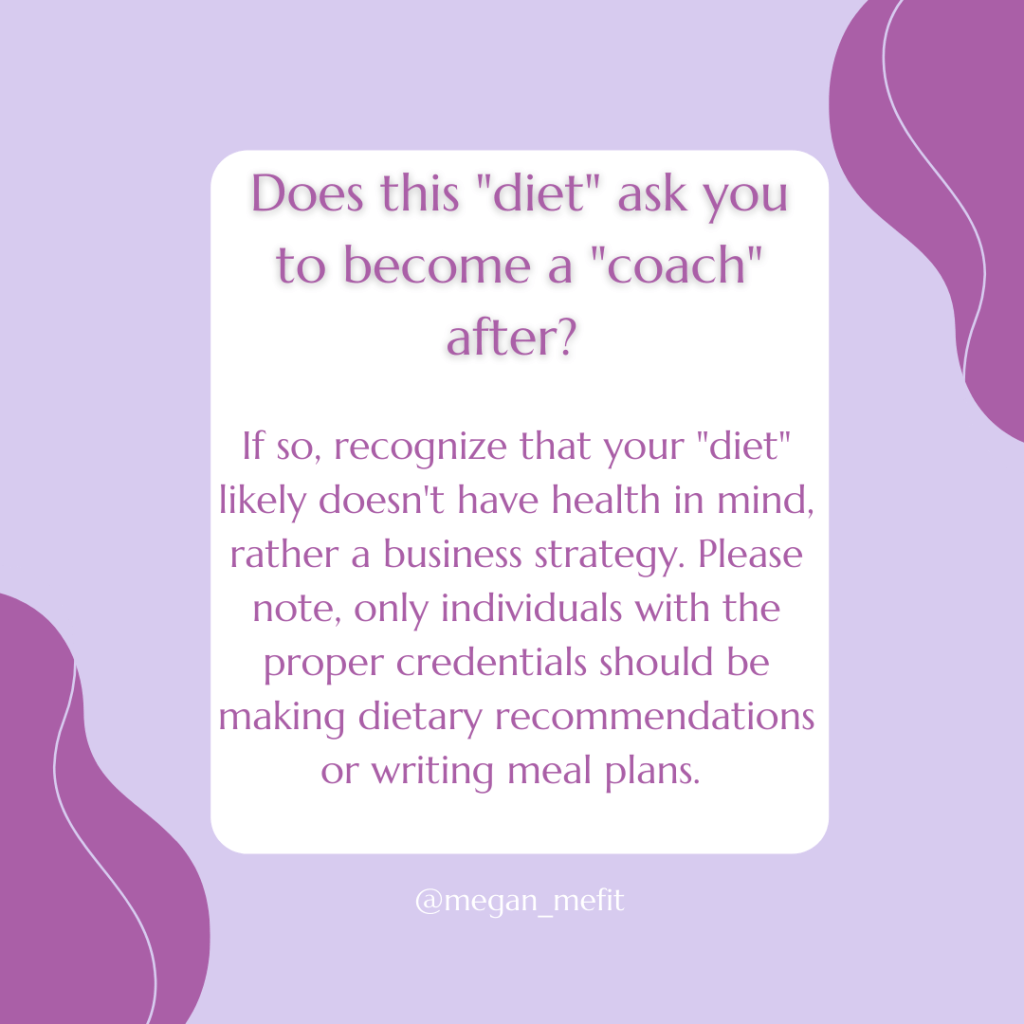
While I do believe you’ve got to “earn your right to diet” in the first place, if you ARE beginning a new dietary protocol, Please go through the slides and ask these questions 🙋🏻♀️ first!
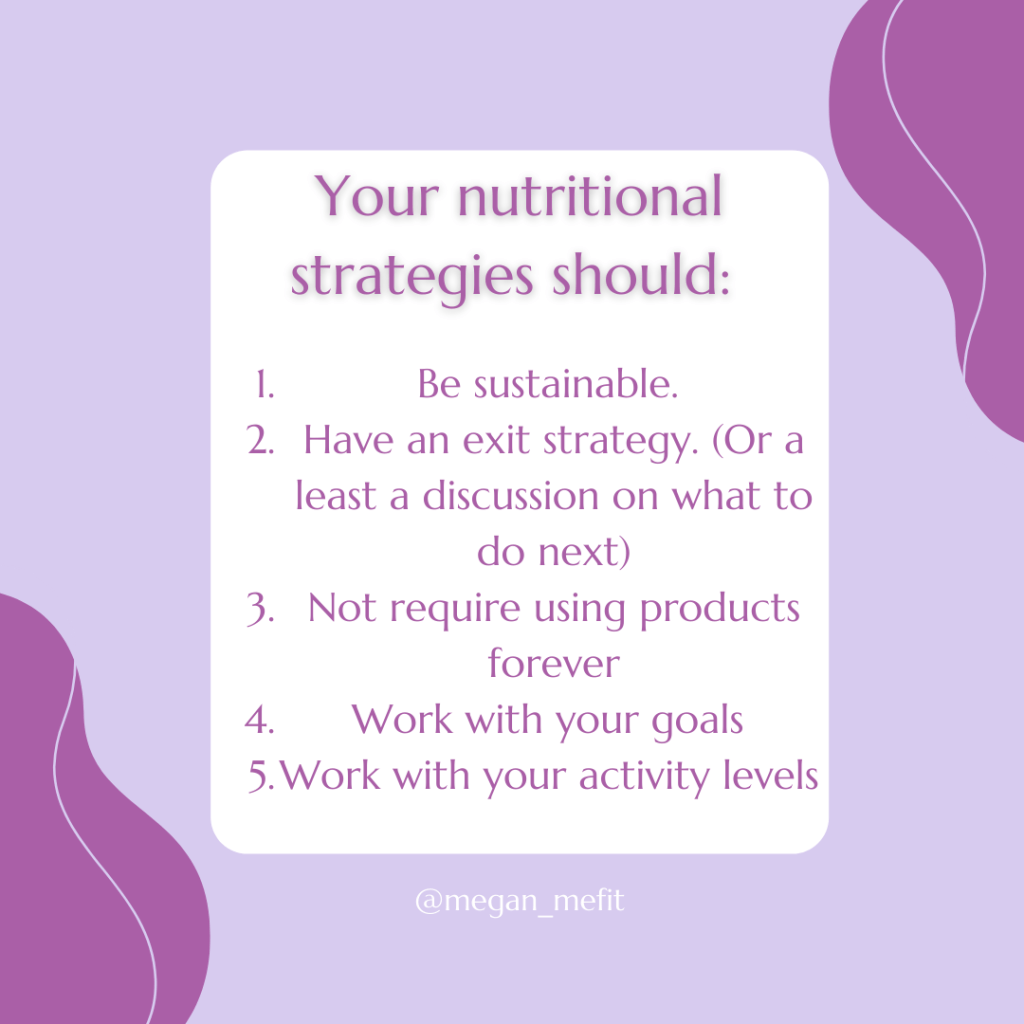
Your diet should: •Be sustainable •Have an exit strategy (or at least a discussion of what to do next) •Not require using supplements/products forever •Work with your goals (Example: Keto diet when you’re an athlete) •Work with your activity levels (aka you should be eating more than 1200-1400 calories!!)
These are just a few important considerations to ask before investing time, and energy into any new #dietplan. What questions would you add? 👇🏻
🙅🏻♀️No detox, cleanse or reset needed. Its likely metabolic function that needs to be addressed.
💡 What you really need is a personalized plan with consistency and patience — Not a restrictive dietary protocol.🙅🏻♀️
⚠️The negative implications of fasting/cleanses need to be addressed – chronic energy depletion, lack of energy storage, lack of thyroid hormone conversion and sacrificing long term health for short term gain.
⚠️The less food you eat means more synthetic supplements necessary to get all the missing nutrients you are not taking in. 💊
⚠️The less food you eat means the less energy you have over time. 😴
⚠️Lastly, the more often you fast the less appetite you have. Who even wants an appetite these days? This gives you more time to work, work, work! (Sense my sarcasm?)🤪can Hustle culture be left in 2021 ?
While I know many folks who truly believe in the “magical power” of cleanses and detoxes….
The one fact that is indisputable when it comes to practicing prolonged restrictive protocols: this can and will reduce your basal metabolic rate and make it harder to maintain any weight lost OR lose in the future. It also causes nutritional deficiencies and more…. (I’ve learned this the hard way)
💰 Save your money & avoid these programs like you do The ‘vid. 🦠
👉🏼In my coaching program, you learn the nuances of metabolic function, the importance of nutritional periodization and how to live a happy and sustainable lifestyle! Click here to apply for coaching–let’s do this!! 💞
🎉Happy New Years 2022! As we see the weight loss ads, fad diet gimmicks, 30 day & 75 hard challenges all over the feeds, I’d like to offer the advice of MASTERING THE BASICS for your 2022 resolution goals. 💯🔥
Research on resolutions shows that only 40-60% of people maintain their NYE resolutions six months later. Folks may start off strong, but when they are doing unsustainable protocols, quickly lose steam, fall off, or even worse develop results that are opposite of what were desired in the first place. 🤷🏻♀️🙅🏻♀️
That’s why I recommend that for this upcoming year, we prioritize learning how to manage our stress better, because stress is truly the cause of so many of our health concerns. 🧘♀️ Next is sleep, proper fuel, daily movement, healthy digestion, awesome poops and THEN you can add in strength training, at least twice per week, but a 3-4 day split I think it’s the best way to approach it. 💪🏻 To clarify: yes, you should prioritize sleep and nutrition before getting your workouts in. 🙂
By mastering the basic habits of health, you are creating a sustainable routine. This solid foundation will give you the lasting results you truly desire.
If you’re ready to break free from ways of the past: eliminating your favorite foods, yo-yo dieting, and endless hours in the gym—2️⃣0️⃣2️⃣2️⃣is the year to do so.
”Without enough sleep, we all become tall two-year-olds.” 😬Who can relate? 🙋🏻♀️🙋🏻
👉🏻Sleep is consistently the most underrated aspect of any health & wellness journey. & It’s one of the biggest priorities I focus on with clients, especially if they have an aesthetic goal.
💤 Creating & maintaining a bedtime routine is the best way to prioritize a good nights sleep.
Here are a few before bed SLEEP HACKS:
😴Block blue & green light, lower the temperature in your bedroom & reduce the volume on TV 1-2 hours before bed.
🛌 Be sure to sleep in complete darkness, wear sleep mask if needed
💤 Use a white noise app or air filter, or ear plugs if you’re a light sleeper.
😴Go to bed early around 9-10pm
🛌Use a guided meditation app (headspace, calm, insight timer)
How’s your bedtime routine? Let me know, are you going to incorporate any of these?👇🏻
Good sleep promotes good health. Sleep represents a third of every person’s life and it has a tremendous impact on how we live, function and perform during the other two-thirds of our lives. It is indeed as vital as the air we breathe and the food we eat, especially for those with chronic diseases or compromised immune systems.
”Happiness in simplicity can be achieved with a flexible mindset and nine hours sleep each night.” – Dalai Lama
It’s important to address these GI basics before thinking you need any advanced protocols.
The biggest culprits I see in my coaching practice is improper stress management, poor chewing and rushed eating! Focusing on these “low hanging fruit” lifestyle changes can make dramatic impacts!
Next is HCL insufficiency, bile salt insufficiency, enzyme insufficiency, and a lack of dietary fiber (Insoluble vs Soluble). Stomach acid is essential for proper digestion, especially protein and supports the absorption of essential nutrients, such as, Zinc, Copper, Iron, Calcium & B12. Not only does it help with digestion but it plays a vital role in protecting the body from harmful pathogens. 🙅🏻♀️Stop: Taking stomach acid suppressors, skipping meals and eating a low protein diet! ✔️Start: Addressing chronic stress, eat a nutrient dense diet, improve your gut / brain connection with mindful eating practices. 🧘♀️ Lack of digestive enzymes production which are vital to properly break down the food we eat, can lead to slower transit time and poor nutrient absorption. This can result in feelings of bloat, constipation, acid-reflux, and gas. 🙅🏻♀️Stop: Rushing your meals and slouching around after eating. ✔️Start: Supporting stomach acid production, chew your food properly (20-30 Times) and address any underlining gut inflammation. Bile release is crucial for the emulsification of fats, so that they can then be properly broken down and absorbed. You won’t get the all the benefits of these healthy fats if they are not properly broken down. 🧈 🙅🏻♀️Stop: Restricting fats or consuming too much of the wrong kind, like vegetable oils & fake butter ✔️Start: Getting enough healthy fats in your diet and support stomach acid production Finally, a healthy and balanced gut flora supports our body to proper digest food and protects from harmful pathogens. 🙌🏻 Complete digestion = more optimal nutrients! 🍽
All nuts, seeds, grains, and legumes contain anti-nutrients that require neutralization. Nuts and seeds contain enzyme inhibitors that actually block digestion – and this can potentially cause negative effects on the body. Grains and legumes contain phytic acid that robs the body of super important minerals such as magnesium, calcium, copper, zinc, and iron. The overall impacts are negative because of the frequency and quantity in which these foods are present in the modern diet.
Soaking grains, nuts, seeds, and legumes generally involve adding the food to a bowl, covering the food in the bowl with water, adding a neutralizer, letting the food sit at room temperature for a while, and then draining.
If you decide to eat grains, legumes, nuts, and seeds, always make sure to follow the guidelines below to prepare them for optimal nutrition (bio-availability) and health.
I do not recommend eating these foods all day every day, because even when soaked it can still be quite rough on the digestive system for some.
Soaking Grains:
Quinoa: Place 2 cups of quinoa into a large mixing bowl and cover with 6 cups of filtered water. Stir in 1 tbsp of apple cider vinegar, fresh lemon juice, or whey. Cover and leave the bowl at room temperature for 24 hours. Drain, rinse and cook as usual.
Rice + Millet: Place 2 cups of grain in a large mixing bowl and cover with 2 cups of warm filtered water. Stir in 2 tbsp of apple cider vinegar, lemon juice, or whey. Cover the bowl and leave at room temperature for about 7 hours. Drain, rinse and cook as usual.
Oatmeal: Place 2 cups of grain in a large mixing bowl and cover with 2 cups of warm filtered water. Stir in 2 tbsp of apple cider vinegar, lemon juice, or whey. Cover and leave the bowl at room temperature for about 7 hours to 24 hours. Drain, rinse and cook as usual.
All Other Grains: place 2 cups of grains in a large mixing bowl and cover with 2 cups of warm filtered water. Stir in 2 tbsp of apple cider vinegar, lemon juice, or whey. Cover and leave the bowl at room temperature for 12-24 hours. Drain, rinse and cook as usual or dry in a dehydrator.
Soaking Legumes:
Kidney-, Navy-, Black-, Pinto-, White Beans: Place 2 cups of beans into a large mixing bowl and cover with warm filtered water. Stir in 2 pinches of baking soda. Cover and leave the bowl at room temperature soaking for at least 18-24 hours. Every 7 or so hours drain the beans, rinse the beans, and cover with warm filtered water again, and stir in another 2 pinches of baking soda.
Drain, rinse and cook in a large stockpot, dutch oven, or a slow cooker.
Garbanzo -, Fava Beans, Split Peas: Place 2 cups of beans into a large mixing bowl and cover with warm filtered water. Stir in 2 tbsp of apple cider vinegar or lemon juice. Cover and leave the bowl at room temperature to soak for at least 24 hours.
Drain, rinse and cook in a large stockpot, dutch oven, or a slow cooker.
Lentils: Place 2 cups of lentils into a large mixing bowl and cover with warm filtered water. Stir in 2 tbsp of apple cider vinegar or lemon juice. Cover and leave the bowl at room temperature to soak for at least 7 hours.
Drain, rinse and cook in a large stockpot, dutch oven, or a slow cooker.
Soaking Nuts & Seeds
All Nuts And Seeds: Place 4 cups of raw, shelled nuts into a large mixing bowl. Cover with filtered water and stir in 1 tbsp of Celtic sea salt. Cover the bowl leave it at room temperature to soak.
♦♦ See the chart below for specific times.
Drain and rinse the nuts or seeds and place them in a dehydrator. | Alternatively spread the nuts or seeds on a large baking sheet lined with unbleached parchment paper and dehydrate them in a warm over (under 150 ˚F) for 12-24 hours, you want them to have that crunch. I usually let the nuts dehydrate overnight when I use the oven. |
♦ Almonds: 8-12 hours ♦ Brazil Nuts: 4-6 hours ♦ Cashews: 3-6 hours ♦ Flaxseeds: 8 hours ♦ Hazelnuts: 7-8 hours ♦ Hempseeds: do not soak ♦ Macadamia: do not soak ♦ Pecans: 4-6 hours ♦ Pepita/Pumpkin Seeds: 8 hours ♦ Pistachios: do not soak ♦ Pine Nuts: do not soak ♦ Sesame Seeds: 7-8 hours ♦ Sunflower Seeds: 2-4 hours ♦ Walnuts: 4 hours
Sprouting Grains, Seeds, Nuts & Legumes
There are four simple steps to sprouting grains, legumes, nuts, and seeds.
Step 1: Using a large bowl soak your grains, legumes, nuts, or seeds in water. Make sure that the water is double the amount of the item being soaked. Leave at room temperature for the specified amount of time listed below. If you desire you may rinse and change the water halfway through the soaking time.
Step 2: Drain the liquid, rinse, and fill the bowl back up with fresh water. Next, drain the liquid at an angle to create a humid environment (use a mesh lid on a mason jar). The goal is to keep the kernels moist until they sprout a bud. This happens when the kernels are exposed to light and moisture.
Step 3: Repeat step 2 every few hours, but at least twice daily.
Step 4: In 1-4 days, your sprouted grain, nut, bean, or seed should be ready to use.
Macro-tracking can take some time to get the hang of, but doing so is well worth it! And there are ways to make it easier and more enjoyable so it doesn’t have to take up any more of your precious headspace.
TOP TIPS:
1️⃣ Pre-Log your day ahead of time. Spend 10-15 minutes the night before to pre-plan and log your next day’s meals. Not only does it save you time from trying to log as you go, it also prevents you from making impulsive decisions in the moment. 2️⃣ Log your favorites first and work backwards. If you know you want a burger and fries for dinner, or maybe it’s a glass of wine with dinner, and or a piece of chocolate after lunch, log that first, then reverse engineer your day from there. 3️⃣ Repeat meals you enjoy eating often. Reduce decision fatigue by making a list of two to three go-to meals you don’t mind repeating and eat those throughout the week. For some variety, you can cycle through the same breakfast and lunch, while making a different dinner each night. 4️⃣ Purchase a simple food scale. You can find legit ones for <$30 at Target, or online. Start tracking/weighing! Put your plate on the food scale and zero it out (tare). Put your protein source on the plate, log the weight and zero it out. Repeat these steps for your carb, fat and veggie/fruits. If you zero/tare it out each time, you don’t have to worry about adding things up. Build your plate on the scale. You won’t have to do this forever, but right now you’re learning! 5️⃣ If your food has a barcode, scan the barcode directly into the app + adjust the serving size. If your food does not have a barcode, search for a verified entry for that specific food. Examples are “ground beef” or “cooked jasmine rice”. 6️⃣ AVOID GENERIC ENTRIES such as “medium banana” or “large rib eye”. What do medium and large actually mean? Instead, find an entry for bananas in grams and an entry for rib eye in grams so you can be specific. 7️⃣ Often people batch cook meat, which means you’ll be weighing the COOKED meat. The nutritional facts on the labels are for the RAW meat. Take the COOKED weight and divide it by .75 to get the raw weight that you log. (120g COOKED chicken is 160g RAW chicken…. 120g/.75 = 160g) 8️⃣ Weighing a sauce or butter, honey etc? Put the jar on the scale and zero/tare it, take out your desired amount (a negative # will show on the scale) and log that number/weight. 9️⃣ Focus on MACROS vs CALORIES. It may show that your macros are hit perfectly, but calories are either high or low. The reason for this is because nutrition labels have the discretion to round their data to the nearest “pretty” number essentially. 🔟 TURN OFF THE DAMN “CALORIES” BURNED FEATURE. Please, do this.
THE SIMPLEST METHOD TO HIT YOUR MACROS 👇 ⠀ 1. CHOOSE NUMBER OF MEALS 3-5 meals daily works best for most. Choose times you can consistently eat each meal, and stick to those – this helps prevent cycles of under/overeating, or playing “macro tetris” too often. ⠀ 2. PLAN YOUR PROTEINS Choose a primary protein source for each of your meals, & adjust the serving size until it gives you 25-50g protein, OR add another protein source to reach the 25-50g range. (We want to divide protein evenly between meals, most will hit their goal with 25-50g at each meal.) ⠀ 3. PLAN YOUR CARBS Now you’ll know what carb sources will pair well with your proteins – choose 1-2 carb sources for each meal, and adjust serving sizes to fit your macros. (Making the meals around your workouts more carb heavy is more optimal.) ⠀ 4. PLAN YOUR FATS Your protein (and some carb) sources will have fat, so we’re waiting until last to add fats as needed to meals. (Timing these further from your workouts is more optimal.) ⠀ You now have a rough template you can build your days around, and tweak as needed for daily success (e.g. dropping fats when you know you’ll drink later.)
HOW TO HIT YOUR MACROS WHEN RANDOM SOCIAL EVENTS COME UP
It’s Friday 1pm, when your friend texts you “Hey, let’s go to that winery tonight for dinner”
Plug the foods you’ve already eaten today into your food log.
Plug in your best estimate of what you’ll eat & drink at the winery–doesn’t have to be perfect, just a rough estimate so you can adjust the rest of your day to fit your goals AND enjoy the night!
Plug in what you’d like to have, EVEN IF it pushes your macros over.
Keep in mind you still need to hit your protein goal by the end of the day
Don’t go to the winery super hungry, when you’re hungry, your inhibition is lower, and can make drinking worse. So don’t skip dinner. Just make your portion smaller.
Example: Say you planned to you have 1 cup Greek yogurt with fresh berries, with sourdough & honey before your afternoon workout and chicken thigh veggie stir fry on a bed of soaked rice for dinner. Instead make a mineral dense protein shake, (recipe reel on Instagram) keep your chicken and stir fry with veggies and reduce the rice size portion.
Now that you’ve adjusted your day around the boxes you need to tick to continue to make progress with your goals, you should be able to enjoy your night out on the town and still be within 5-10 g of your goals!
This tip is SO CRUCIAL it’s worth repeating: You will find at the end of the day, it will be much easier to achieve your goals when you spend 10-15 min at night to pre-log your day the night before.







 Wellness Simplified with Meganmefit