🎉Happy New Years 2022! As we see the weight loss ads, fad diet gimmicks, 30 day & 75 hard challenges all over the feeds, I’d like to offer the advice of MASTERING THE BASICS for your 2022 resolution goals. 💯🔥
Research on resolutions shows that only 40-60% of people maintain their NYE resolutions six months later. Folks may start off strong, but when they are doing unsustainable protocols, quickly lose steam, fall off, or even worse develop results that are opposite of what were desired in the first place. 🤷🏻♀️🙅🏻♀️
That’s why I recommend that for this upcoming year, we prioritize learning how to manage our stress better, because stress is truly the cause of so many of our health concerns. 🧘♀️ Next is sleep, proper fuel, daily movement, healthy digestion, awesome poops and THEN you can add in strength training, at least twice per week, but a 3-4 day split I think it’s the best way to approach it. 💪🏻 To clarify: yes, you should prioritize sleep and nutrition before getting your workouts in. 🙂
By mastering the basic habits of health, you are creating a sustainable routine. This solid foundation will give you the lasting results you truly desire.
If you’re ready to break free from ways of the past: eliminating your favorite foods, yo-yo dieting, and endless hours in the gym—2️⃣0️⃣2️⃣2️⃣is the year to do so.
”Without enough sleep, we all become tall two-year-olds.” 😬Who can relate? 🙋🏻♀️🙋🏻
👉🏻Sleep is consistently the most underrated aspect of any health & wellness journey. & It’s one of the biggest priorities I focus on with clients, especially if they have an aesthetic goal.
💤 Creating & maintaining a bedtime routine is the best way to prioritize a good nights sleep.
Here are a few before bed SLEEP HACKS:
😴Block blue & green light, lower the temperature in your bedroom & reduce the volume on TV 1-2 hours before bed.
🛌 Be sure to sleep in complete darkness, wear sleep mask if needed
💤 Use a white noise app or air filter, or ear plugs if you’re a light sleeper.
😴Go to bed early around 9-10pm
🛌Use a guided meditation app (headspace, calm, insight timer)
How’s your bedtime routine? Let me know, are you going to incorporate any of these?👇🏻
Good sleep promotes good health. Sleep represents a third of every person’s life and it has a tremendous impact on how we live, function and perform during the other two-thirds of our lives. It is indeed as vital as the air we breathe and the food we eat, especially for those with chronic diseases or compromised immune systems.
”Happiness in simplicity can be achieved with a flexible mindset and nine hours sleep each night.” – Dalai Lama
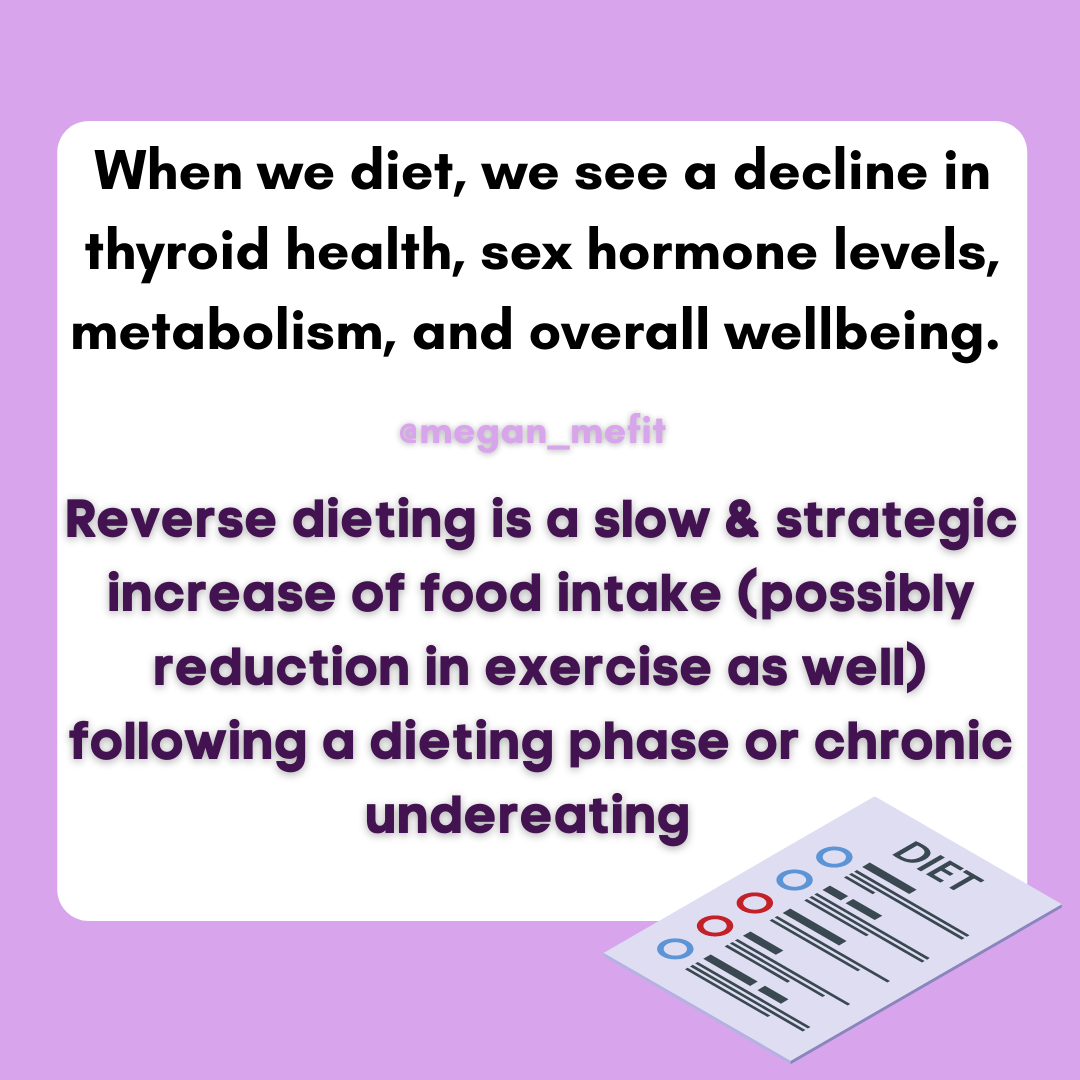
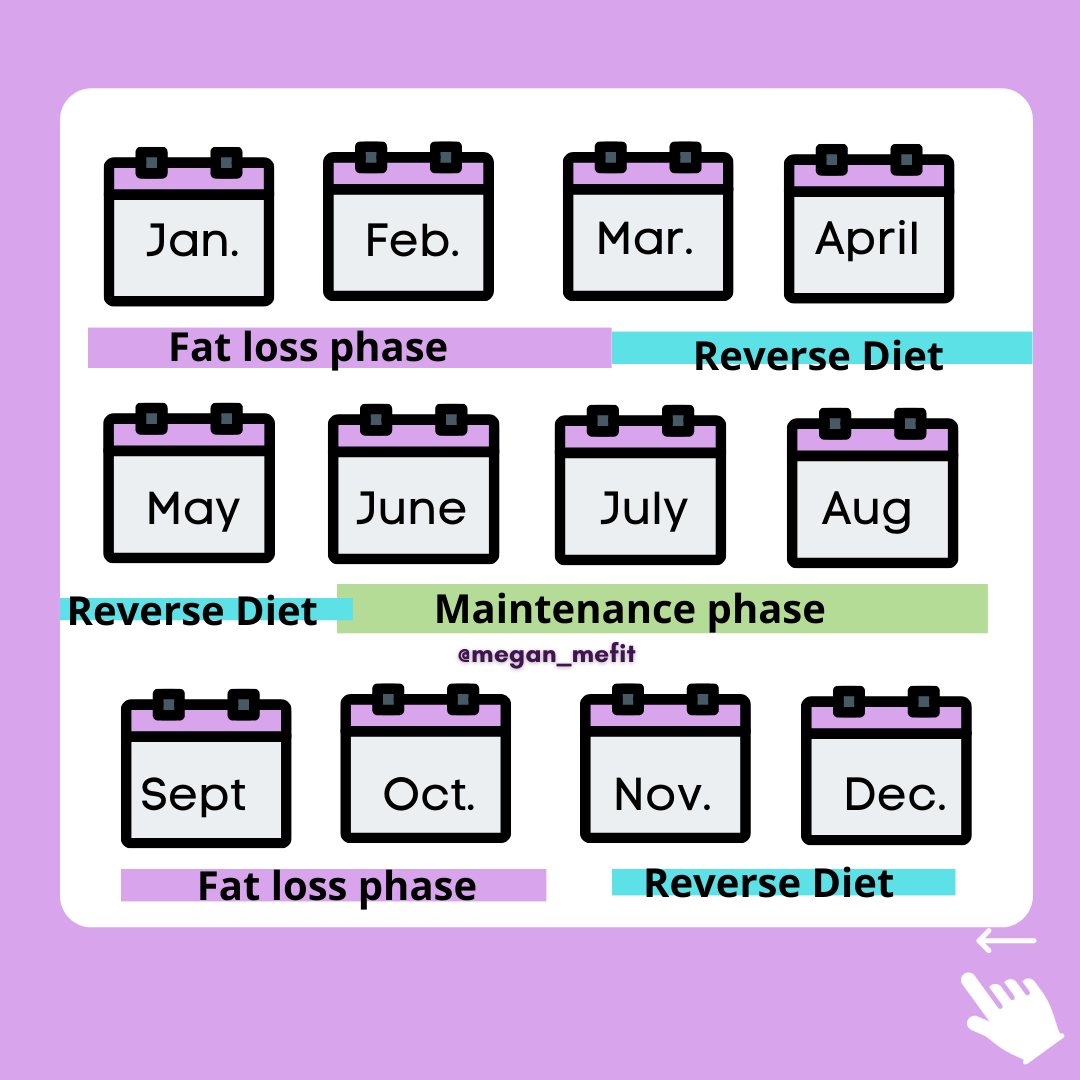
It’s common for new clients to hire a personal trainer wanting to lose weight (fat loss). While I understand the desire to do this, we can and will get there.. We usually have to enter a different kind of approach before we can actually “diet” for fat loss because our first intention must be to achieve optimal psychological & physiological baselines.
Most clients have struggled with yo-yo dieting, binge eating, poor relationship with food, negative body image and sporadic consistency with their workouts. When we first discuss the concept of dieting in reverse, they are naturally hesitant because it’s quite different than what they are used to. 😲
The amazing part throughout this process they realize that achieving maintenance is a massive progress flex! 💪🏻 It still requires lots of effort and consistency.
In maintenance phase you experience:
🔘Better sleep 🔘Improved performance 🔘More muscle 🔘Not 🤔 about 🥘 all the time 🔘Stable energy 🔘Less mood swings😃 🔘Ability to be social🥂 🔘Restore hormone balance 🔘Increased libido😈
It’s important to spend enough time optimizing your metabolism, building muscle, and enjoying your life, so that when & if the time does come to enter a diet phase, things will be easier, an the progress will be sustainable.
It’s important to address these GI basics before thinking you need any advanced protocols.
The biggest culprits I see in my coaching practice is improper stress management, poor chewing and rushed eating! Focusing on these “low hanging fruit” lifestyle changes can make dramatic impacts!
Next is HCL insufficiency, bile salt insufficiency, enzyme insufficiency, and a lack of dietary fiber (Insoluble vs Soluble). Stomach acid is essential for proper digestion, especially protein and supports the absorption of essential nutrients, such as, Zinc, Copper, Iron, Calcium & B12. Not only does it help with digestion but it plays a vital role in protecting the body from harmful pathogens. 🙅🏻♀️Stop: Taking stomach acid suppressors, skipping meals and eating a low protein diet! ✔️Start: Addressing chronic stress, eat a nutrient dense diet, improve your gut / brain connection with mindful eating practices. 🧘♀️ Lack of digestive enzymes production which are vital to properly break down the food we eat, can lead to slower transit time and poor nutrient absorption. This can result in feelings of bloat, constipation, acid-reflux, and gas. 🙅🏻♀️Stop: Rushing your meals and slouching around after eating. ✔️Start: Supporting stomach acid production, chew your food properly (20-30 Times) and address any underlining gut inflammation. Bile release is crucial for the emulsification of fats, so that they can then be properly broken down and absorbed. You won’t get the all the benefits of these healthy fats if they are not properly broken down. 🧈 🙅🏻♀️Stop: Restricting fats or consuming too much of the wrong kind, like vegetable oils & fake butter ✔️Start: Getting enough healthy fats in your diet and support stomach acid production Finally, a healthy and balanced gut flora supports our body to proper digest food and protects from harmful pathogens. 🙌🏻 Complete digestion = more optimal nutrients! 🍽
🧸Gelatin is a colorless, flavorless substance made from the collagen found in animal bones, skin and tissues. Gelatin is the cooked form of collagen. It makes up about half of the protein found in animals.
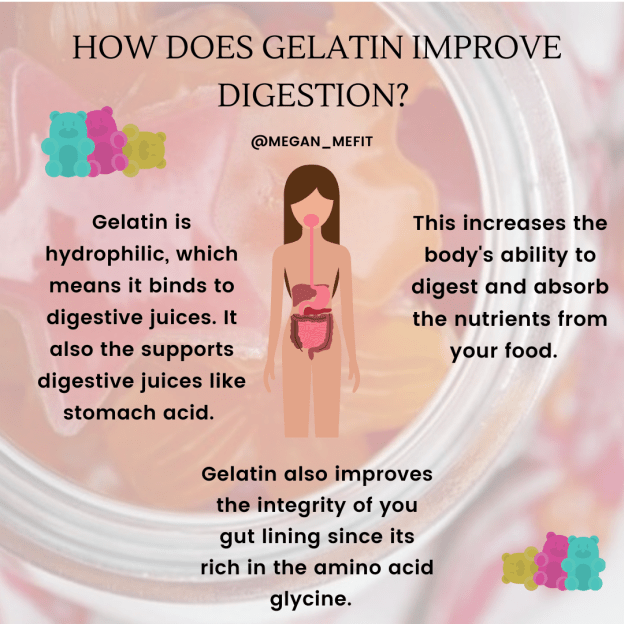
🧸Gelatin is loaded with three amino acids (glycine, proline and alanine) that have hydrophilic (hydrating), anti-inflammatory, healing properties.
🧸Because gelatin can attract and hold liquids, this allows it to draw in digestive juices, which help us break down the foods we eat.
🧸The more digestive juices present (mostly bile and stomach acid), the better our food is broken down, which allows for improved absorption.
⚠️NOT ALL GELATINS are made the same. The brand I recommend is Great Lakes. @greatlakesgelatin
🤓The product has been a subject of several clinical trials that have proved its effectiveness.
📖 Check out the book Gelatin in Nutrition and Medicine to learn more.
🧸MY FAV RECIPE! •BLOOM Gelatin first by pouring 1/2 c pure juice into a bowl and stirring in 4 tbsp of gelatin and let sit for 5 min.
•While it’s doing it’s thing, warm up the other 1/2 c juice on a saucepan on the stove. •As it gets steamy and just before boiling, turn off heat. •Add in gelatin and stir well. •Let cool before pouring into gummy molds or containers for jello.
All nuts, seeds, grains, and legumes contain anti-nutrients that require neutralization. Nuts and seeds contain enzyme inhibitors that actually block digestion – and this can potentially cause negative effects on the body. Grains and legumes contain phytic acid that robs the body of super important minerals such as magnesium, calcium, copper, zinc, and iron. The overall impacts are negative because of the frequency and quantity in which these foods are present in the modern diet.
Soaking grains, nuts, seeds, and legumes generally involve adding the food to a bowl, covering the food in the bowl with water, adding a neutralizer, letting the food sit at room temperature for a while, and then draining.
If you decide to eat grains, legumes, nuts, and seeds, always make sure to follow the guidelines below to prepare them for optimal nutrition (bio-availability) and health.
I do not recommend eating these foods all day every day, because even when soaked it can still be quite rough on the digestive system for some.
Soaking Grains:
Quinoa: Place 2 cups of quinoa into a large mixing bowl and cover with 6 cups of filtered water. Stir in 1 tbsp of apple cider vinegar, fresh lemon juice, or whey. Cover and leave the bowl at room temperature for 24 hours. Drain, rinse and cook as usual.
Rice + Millet: Place 2 cups of grain in a large mixing bowl and cover with 2 cups of warm filtered water. Stir in 2 tbsp of apple cider vinegar, lemon juice, or whey. Cover the bowl and leave at room temperature for about 7 hours. Drain, rinse and cook as usual.
Oatmeal: Place 2 cups of grain in a large mixing bowl and cover with 2 cups of warm filtered water. Stir in 2 tbsp of apple cider vinegar, lemon juice, or whey. Cover and leave the bowl at room temperature for about 7 hours to 24 hours. Drain, rinse and cook as usual.
All Other Grains: place 2 cups of grains in a large mixing bowl and cover with 2 cups of warm filtered water. Stir in 2 tbsp of apple cider vinegar, lemon juice, or whey. Cover and leave the bowl at room temperature for 12-24 hours. Drain, rinse and cook as usual or dry in a dehydrator.
Soaking Legumes:
Kidney-, Navy-, Black-, Pinto-, White Beans: Place 2 cups of beans into a large mixing bowl and cover with warm filtered water. Stir in 2 pinches of baking soda. Cover and leave the bowl at room temperature soaking for at least 18-24 hours. Every 7 or so hours drain the beans, rinse the beans, and cover with warm filtered water again, and stir in another 2 pinches of baking soda.
Drain, rinse and cook in a large stockpot, dutch oven, or a slow cooker.
Garbanzo -, Fava Beans, Split Peas: Place 2 cups of beans into a large mixing bowl and cover with warm filtered water. Stir in 2 tbsp of apple cider vinegar or lemon juice. Cover and leave the bowl at room temperature to soak for at least 24 hours.
Drain, rinse and cook in a large stockpot, dutch oven, or a slow cooker.
Lentils: Place 2 cups of lentils into a large mixing bowl and cover with warm filtered water. Stir in 2 tbsp of apple cider vinegar or lemon juice. Cover and leave the bowl at room temperature to soak for at least 7 hours.
Drain, rinse and cook in a large stockpot, dutch oven, or a slow cooker.
Soaking Nuts & Seeds
All Nuts And Seeds: Place 4 cups of raw, shelled nuts into a large mixing bowl. Cover with filtered water and stir in 1 tbsp of Celtic sea salt. Cover the bowl leave it at room temperature to soak.
♦♦ See the chart below for specific times.
Drain and rinse the nuts or seeds and place them in a dehydrator. | Alternatively spread the nuts or seeds on a large baking sheet lined with unbleached parchment paper and dehydrate them in a warm over (under 150 ˚F) for 12-24 hours, you want them to have that crunch. I usually let the nuts dehydrate overnight when I use the oven. |
♦ Almonds: 8-12 hours ♦ Brazil Nuts: 4-6 hours ♦ Cashews: 3-6 hours ♦ Flaxseeds: 8 hours ♦ Hazelnuts: 7-8 hours ♦ Hempseeds: do not soak ♦ Macadamia: do not soak ♦ Pecans: 4-6 hours ♦ Pepita/Pumpkin Seeds: 8 hours ♦ Pistachios: do not soak ♦ Pine Nuts: do not soak ♦ Sesame Seeds: 7-8 hours ♦ Sunflower Seeds: 2-4 hours ♦ Walnuts: 4 hours
Sprouting Grains, Seeds, Nuts & Legumes
There are four simple steps to sprouting grains, legumes, nuts, and seeds.
Step 1: Using a large bowl soak your grains, legumes, nuts, or seeds in water. Make sure that the water is double the amount of the item being soaked. Leave at room temperature for the specified amount of time listed below. If you desire you may rinse and change the water halfway through the soaking time.
Step 2: Drain the liquid, rinse, and fill the bowl back up with fresh water. Next, drain the liquid at an angle to create a humid environment (use a mesh lid on a mason jar). The goal is to keep the kernels moist until they sprout a bud. This happens when the kernels are exposed to light and moisture.
Step 3: Repeat step 2 every few hours, but at least twice daily.
Step 4: In 1-4 days, your sprouted grain, nut, bean, or seed should be ready to use.
Your workout may be where you “feel” like you’re getting results, but it’s actually proper nutrition + your workouts that plays a larger role in the results factor.
🍌Nutrient timing is purposely choosing foods around your workouts that will nourish and support your cells for the upcoming physical activity.
It was found that the net protein balance was greater when consuming the protein + carbs before exercise rather than post exercise.
What does this mean? You get a greater anabolic response (protein synthesis= growth) when consuming pre-workout nutrition compared to post workout nutrition. You get more amino acids into your muscles both during and after exercise when consuming pre-workout nutrition.
💥 PRE-WORKOUT NUTRITION💥:
•Ideal pre-work meal is mostly carbohydrate based.
•20 minutes to 1 hour before exercise:
Simple carbohydrates from fruit like dates, raisins or banana, or a coconut water can give you quick energy. Or a small serving of yogurt with fresh fruit. My favorite is the adrenal elixir with some collagen. AIM for: 6 G protein & 35 g carbs minimum
Examples: Oatmeal+ collagen with fresh fruit or greek yogurt, rice cake with jelly and dates, sweet potatoes and eggs with fruit.
❓What about protein before workouts? There is evidence that consuming protein before a workout is beneficial, and while these recommendations include protein, you could increase the amount in your pre-workout meal–experiment with anywhere between 6-20 g and see what works for you!
❓What about eating a high fat meal before a workout? Fat is the most complex fuel for your body to break down and absorb, and while it’s important for overall health, I recommend consuming low-to moderate fat intake with your pre & post workout meals.
💪POST WORKOUT NUTRITION 💪
Eating post workout within the right time frame following your workout plays a huge role in your recovery and training progress. And when it comes to fueling after exercise, I bet there’s little surprise that women are different than men. Here are a few things to keep in mind if you’re trying to maximize your recovery: 👇 . 💪 Women’s metabolism comes back down to baseline within 90 minutes after exercise whereas men might take 3-18 hours, depending on the exercise.
💪 We need to eat protein (aim for 25-30 grams with 5-7 grams BCAAs) with a bit of carbohydrate as soon as possible after exercise – especially if you’re doing a depleting exercise like cardio. Ideally, aim to eat within 30-45 minutes after finishing your workout.
💪 If you delay calorie intake, you stay in a breakdown state. In short, your body won’t start repairing until you take in some food.
💪 Even if you eat enough in the rest of your day to meet what your body needs, not eating post-workout acts the same as not eating enough.
Fuel for what you’re doing, and fuel for the recovery that your body needs afterwards!
Macro-tracking can take some time to get the hang of, but doing so is well worth it! And there are ways to make it easier and more enjoyable so it doesn’t have to take up any more of your precious headspace.
TOP TIPS:
1️⃣ Pre-Log your day ahead of time. Spend 10-15 minutes the night before to pre-plan and log your next day’s meals. Not only does it save you time from trying to log as you go, it also prevents you from making impulsive decisions in the moment. 2️⃣ Log your favorites first and work backwards. If you know you want a burger and fries for dinner, or maybe it’s a glass of wine with dinner, and or a piece of chocolate after lunch, log that first, then reverse engineer your day from there. 3️⃣ Repeat meals you enjoy eating often. Reduce decision fatigue by making a list of two to three go-to meals you don’t mind repeating and eat those throughout the week. For some variety, you can cycle through the same breakfast and lunch, while making a different dinner each night. 4️⃣ Purchase a simple food scale. You can find legit ones for <$30 at Target, or online. Start tracking/weighing! Put your plate on the food scale and zero it out (tare). Put your protein source on the plate, log the weight and zero it out. Repeat these steps for your carb, fat and veggie/fruits. If you zero/tare it out each time, you don’t have to worry about adding things up. Build your plate on the scale. You won’t have to do this forever, but right now you’re learning! 5️⃣ If your food has a barcode, scan the barcode directly into the app + adjust the serving size. If your food does not have a barcode, search for a verified entry for that specific food. Examples are “ground beef” or “cooked jasmine rice”. 6️⃣ AVOID GENERIC ENTRIES such as “medium banana” or “large rib eye”. What do medium and large actually mean? Instead, find an entry for bananas in grams and an entry for rib eye in grams so you can be specific. 7️⃣ Often people batch cook meat, which means you’ll be weighing the COOKED meat. The nutritional facts on the labels are for the RAW meat. Take the COOKED weight and divide it by .75 to get the raw weight that you log. (120g COOKED chicken is 160g RAW chicken…. 120g/.75 = 160g) 8️⃣ Weighing a sauce or butter, honey etc? Put the jar on the scale and zero/tare it, take out your desired amount (a negative # will show on the scale) and log that number/weight. 9️⃣ Focus on MACROS vs CALORIES. It may show that your macros are hit perfectly, but calories are either high or low. The reason for this is because nutrition labels have the discretion to round their data to the nearest “pretty” number essentially. 🔟 TURN OFF THE DAMN “CALORIES” BURNED FEATURE. Please, do this.
THE SIMPLEST METHOD TO HIT YOUR MACROS 👇 ⠀ 1. CHOOSE NUMBER OF MEALS 3-5 meals daily works best for most. Choose times you can consistently eat each meal, and stick to those – this helps prevent cycles of under/overeating, or playing “macro tetris” too often. ⠀ 2. PLAN YOUR PROTEINS Choose a primary protein source for each of your meals, & adjust the serving size until it gives you 25-50g protein, OR add another protein source to reach the 25-50g range. (We want to divide protein evenly between meals, most will hit their goal with 25-50g at each meal.) ⠀ 3. PLAN YOUR CARBS Now you’ll know what carb sources will pair well with your proteins – choose 1-2 carb sources for each meal, and adjust serving sizes to fit your macros. (Making the meals around your workouts more carb heavy is more optimal.) ⠀ 4. PLAN YOUR FATS Your protein (and some carb) sources will have fat, so we’re waiting until last to add fats as needed to meals. (Timing these further from your workouts is more optimal.) ⠀ You now have a rough template you can build your days around, and tweak as needed for daily success (e.g. dropping fats when you know you’ll drink later.)
HOW TO HIT YOUR MACROS WHEN RANDOM SOCIAL EVENTS COME UP
It’s Friday 1pm, when your friend texts you “Hey, let’s go to that winery tonight for dinner”
Plug the foods you’ve already eaten today into your food log.
Plug in your best estimate of what you’ll eat & drink at the winery–doesn’t have to be perfect, just a rough estimate so you can adjust the rest of your day to fit your goals AND enjoy the night!
Plug in what you’d like to have, EVEN IF it pushes your macros over.
Keep in mind you still need to hit your protein goal by the end of the day
Don’t go to the winery super hungry, when you’re hungry, your inhibition is lower, and can make drinking worse. So don’t skip dinner. Just make your portion smaller.
Example: Say you planned to you have 1 cup Greek yogurt with fresh berries, with sourdough & honey before your afternoon workout and chicken thigh veggie stir fry on a bed of soaked rice for dinner. Instead make a mineral dense protein shake, (recipe reel on Instagram) keep your chicken and stir fry with veggies and reduce the rice size portion.
Now that you’ve adjusted your day around the boxes you need to tick to continue to make progress with your goals, you should be able to enjoy your night out on the town and still be within 5-10 g of your goals!
This tip is SO CRUCIAL it’s worth repeating: You will find at the end of the day, it will be much easier to achieve your goals when you spend 10-15 min at night to pre-log your day the night before.
🍄 🧠 Lion’s Mane is large and has a shaggy appearance with white cascading spines that resemble a lion’s mane, hence the name. It is known as the “smart mushroom”, related to how it can improve mental clarity, focus, alertness, nerve health and overall brain support. But that’s not all, it has been shown to improve athletic performance too!
What makes lion’s mane mushroom so special?
This mushroom contains high amounts of a compound called β-glucan polysaccharides, which is a type of naturally occurring glucose polymer found in cell walls of certain fungi and bacteria. This mushroom is also rich in, lectins, proteins, lipids, hericenone, erinacine and terpenoids, which is basically everything an athlete needs for top performance. Along with β-glucan, these compounds are responsible for many of the health benefits associated with lion’s mane.
BENEFITS OF LION’S MANE MUSHROOM FOR ATHLETES:
Contains anti-fatigue properties and increases energy.
Improves concentration, focus, and overall cognitive function.
Reduces inflammation and recovery time.
Accelerates fat metabolism.
Improves gut health.
Boosts the immune system
Anxiety and Depressive symptoms have also been reduced in humans fed 2g of lion’s mane, via cookies, over the course of 4 weeks. There was a significant difference between groups on the measurements of concentration and irritability, favoring the lion’s mane group.
THE BOTTOM LINE
It is well known that proper training, nutrition, and supplements are integral pieces in an athlete’s progress. Lion’s mane mushroom continues to gain popularity due to its various health benefits, however the potential benefits for athletes makes it a unique food for sports nutrition. Studies continue to show the positive physical and mental outcomes from utilizing lion’s mane. There are several ways to incorporate lion’s mane mushroom into your diet, this includes eating them whole or taking lion’s mane extract as a nutritional supplement. Athletes looking to further advance their performance should consider our newest lion mane’s supplement to add to their daily routine for optimal results.
We have been adding one serving to our morning protein smoothie! @ommushrooms
❔What brand to get❔ 7 Best Lion’s Mane Supplements (in no particular order)
•Mind Lab Pro — Best Lion’s Mane Supplement Stack •Nootropics Depot Lion’s Mane 8:1 Extract — Best Lion’s Mane Mushroom Capsules •Om Mushroom Superfood Lion’s Mane Organic Powder — Best Lion’s Mane Mushroom Powder •Real Mushrooms Lion’s Mane Capsules — Best Organic Lion’s Mane Supplement •Genius Mushrooms — Best Mushroom Supplement With Lion’s Mane •Host Defense Lion’s Mane — Best Lion’s Mane For Overall Health •Double Wood Supplements Lion’s Mane Mushroom — Best Lion’s Mane For The Money
Akramienė, D., Kondrotas, A., Didžiapetrienė, J., & Kėvelaitis, E. (2007). Effects of ß-glucans on the immune system. Medicina,43(8), 597. doi:10.3390/medicina43080076
Khan, M. A., Tania, M., Liu, R., & Rahman, M. M. (2013). Hericium erinaceus: An edible mushroom with medicinal values. Journal of Complementary and Integrative Medicine,10(1). doi:10.1515/jcim-2013-0001
Liu, J., Du, C., Wang, Y., & Yu, Z. (2014). Anti-fatigue activities of polysaccharides extracted from Hericium erinaceus. Experimental and Therapeutic Medicine,9(2), 483-487. doi:10.3892/etm.2014.2139
Brandalise, F., Cesaroni, V., Gregori, A., Repetti, M., Romano, C., Orrù, G., . . . Rossi, P. (2017). Dietary Supplementation ofHericium erinaceusIncreases Mossy Fiber-CA3 Hippocampal Neurotransmission and Recognition Memory in Wild-Type Mice. Evidence-Based Complementary and Alternative Medicine,2017, 1-13. doi:10.1155/2017/3864340
Mori, K., Inatomi, S., Ouchi, K., Azumi, Y., & Tuchida, T. (2009). Improving effects of the mushroom Yamabushitake (Hericium erinaceus) on mild cognitive impairment: A double-blind placebo-controlled clinical trial. Phytotherapy Research,23(3), 367-372. doi:10.1002/ptr.2634
Nagano, M., Shimizu, K., Kondo, R., Hayashi, C., Sato, D., Kitagawa, K., & Ohnuki, K. (2010). Reduction of depression and anxiety by 4 weeks Hericium erinaceus intake. Biomedical Research,31(4), 231-237. doi:10.2220/biomedres.31.231
He, F., Li, J., Liu, Z., Chuang, C., Yang, W., & Zuo, L. (2016). Redox Mechanism of Reactive Oxygen Species in Exercise. Frontiers in Physiology,7. doi:10.3389/fphys.2016.00486
Abdullah, N., Ismail, S. M., Aminudin, N., Shuib, A. S., & Lau, B. F. (2012). Evaluation of Selected Culinary-Medicinal Mushrooms for Antioxidant and ACE Inhibitory Activities. Evidence-Based Complementary and Alternative Medicine,2012, 1-12. doi:10.1155/2012/464238
Choi, W., Kim, Y., Park, B., Kim, J., & Lee, S. (2013). Hypolipidaemic Effect of Hericium erinaceum Grown in Artemisia capillaris on Obese Rats. Mycobiology,41(2), 94-99. doi:10.5941/myco.2013.41.2.94
Hiwatashi, K., Kosaka, Y., Suzuki, N., Hata, K., Mukaiyama, T., Sakamoto, K., . . . Komai, M. (2010). Yamabushitake Mushroom (Hericium erinaceus) Improved Lipid Metabolism in Mice Fed a High-Fat Diet. Bioscience, Biotechnology, and Biochemistry,74(7), 1447-1451. doi:10.1271/bbb.100130
Wang, M., Konishi, T., Gao, Y., Xu, D., & Gao, Q. (2015). Anti-Gastric Ulcer Activity of Polysaccharide Fraction Isolated from Mycelium Culture of Lions Mane Medicinal Mushroom, Hericium erinaceus (Higher Basidiomycetes). International Journal of Medicinal Mushrooms,17(11), 1055-1060. doi:10.1615/intjmedmushrooms.v17.i11.50
Sheng, X., Yan, J., Meng, Y., Kang, Y., Han, Z., Tai, G., . . . Cheng, H. (2017). Immunomodulatory effects of Hericium erinaceus derived polysaccharides are mediated by intestinal immunology. Food & Function,8(3), 1020-1027. doi:10.1039/c7fo00071e
Diling, C., Chaoqun, Z., Jian, Y., Jian, L., Jiyan, S., Yizhen, X., & Guoxiao, L. (2017). Immunomodulatory Activities of a Fungal Protein Extracted from Hericium erinaceus through Regulating the Gut Microbiota. Frontiers in Immunology,8. doi:10.3389/fimmu.2017.00666
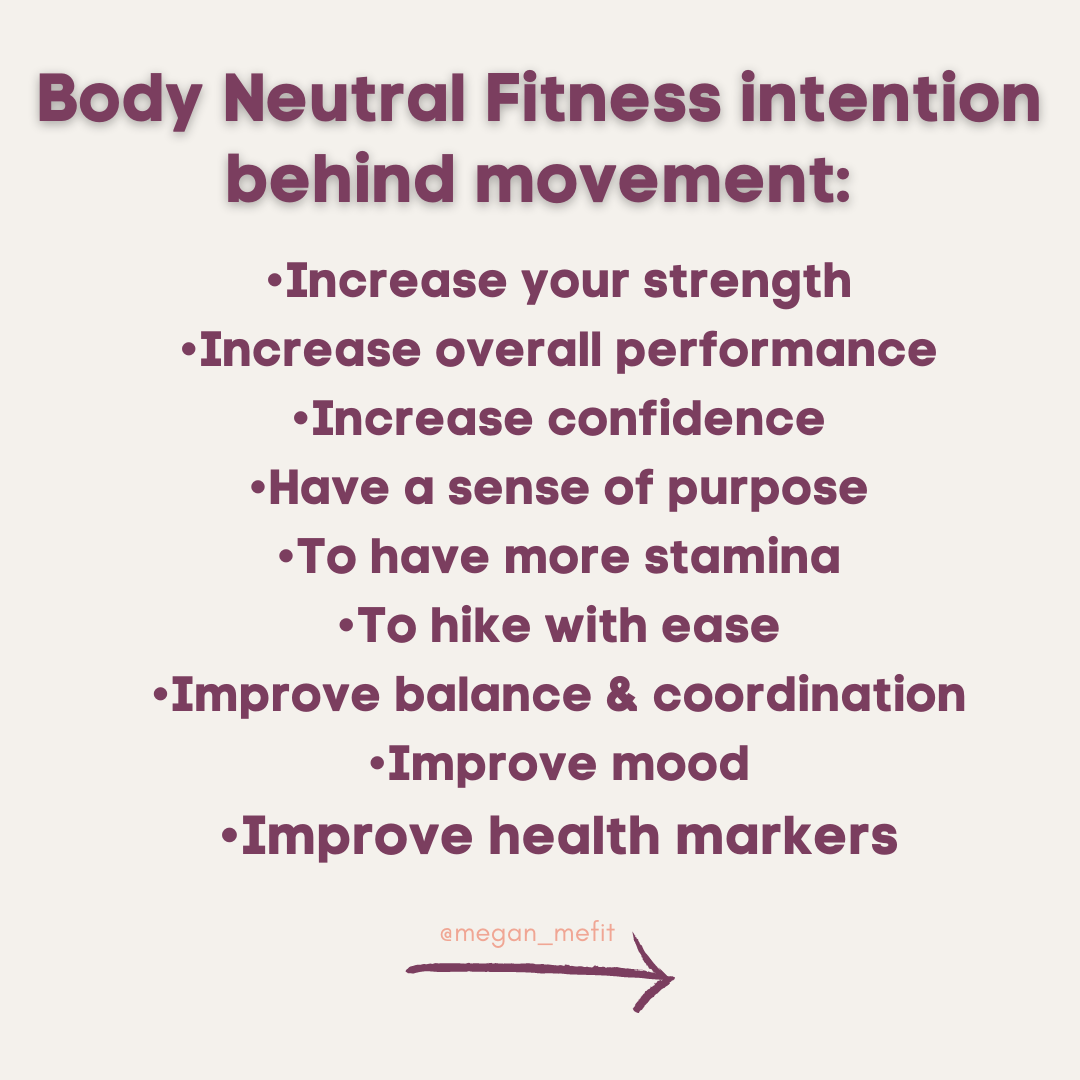
Have you ever thought about WHY you are engaging in your fitness & nutrition routine?
🧠Intention is is a mental state that represents a commitment to carrying out an action or actions in the future. Intention involves mental activities such as planning and forethought.
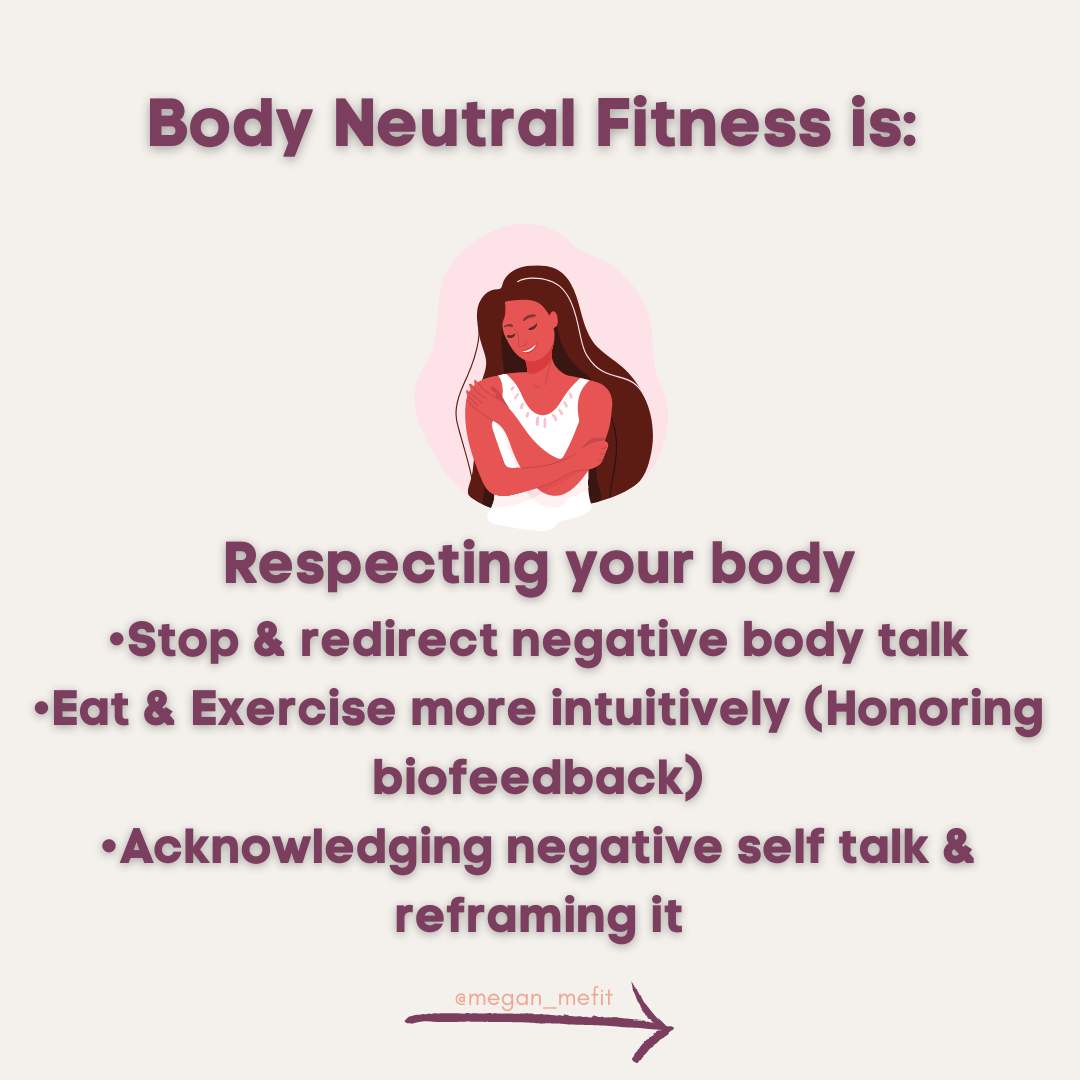
Body Neutral Fitness is shifting the intention behind WHY you want to workout.
Instead of aesthetics being the main intention, the focus is more on how you want to FEEL and cultivating a more positive body image through developing body appreciation
It can be easy to fall into the trap of pointing out what you are insecure about, or hearing someone else do the same. But try to avoid this, or at least notice when you are doing it and how it makes you feel. Redirect the conversation to another topic
Body neutral fitness is about nourishing our bodies with foods full of vitamins and nutrients that you need, but also not depriving ourselves of delicious treats. We do not engaging in restrictive dieting behaviors.
Exercise is not meant to be a punishment. If your body needs a rest day, then give it a rest day. I work closely with my clients to build their programming with activities that they enjoy. More recreation, more walks and MORE FUN!
For me, I’ve spent years dieting and exercising to change my body and make her look a certain way. To be accepted. To be seen as worthy.
I’ve torn down my old identity and entire sense of self and rebuilt a new version from the ashes of who I once was.
I’ve shared a bit about this process, how a lot of it revolved around SELF-ESTEEM and improving my concept of self.
Contrast can be an amazing teacher. When we experience things we do NOT want or like, it provides clarity and insight into what we DO want.
🌱You’ve got to CHOOSE growth 🔝 We can either go through life, or GROW through it. 🌱
Growth hurts. & it’s always worth it. It’s also never ending. 📈
Health is not a destination that you “arrive” to and stay. 📍
It’s a flowing, growing, shifting, seasonal journey. 🗺
This past year I’ve done some deep soul digging to rebuild my identity around fitness to be coming from a place of excitement and joy !
“The deeper your why, the higher you fly”
Ready to make the shift into Body neutral fitness? Apply for coaching HERE










 Wellness Simplified with Meganmefit