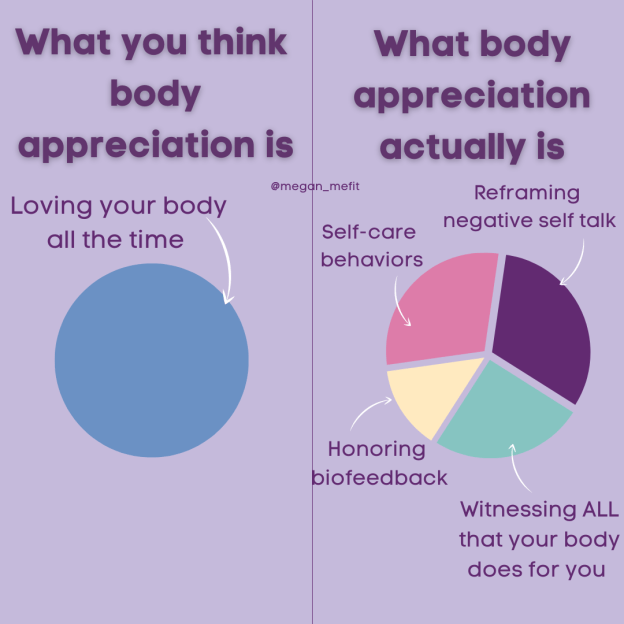
What body appreciation ACTUALLY is

🚨 SPOILER ALERT 🚨 Weight loss, DOES NOT & WILL NOT improve your body image. It’s body appreciation and gratitude towards the body that are KEY 🔑 in cultivating a positive body image.

Body appreciation is finding value in our body’s functionality and uniqueness as well as appreciating the differences of others. There is a benefit of having body appreciation above and beyond just the absence of a negative body image. After accounting for body dissatisfaction, body appreciation positively influenced self-esteem and coping skills, Intuitive Eating ability, as well as decreasing the risk of eating disorders.

Body appreciation can be present even in the face of dissatisfaction. We can have things we wish we could change about our body while still respecting and appreciating it for the life vehicle it is.

While we all may have our days where we feel awkward or uncomfortable in our bodies, the key to developing a more positive body image is to recognize and respect our natural shape and learn to overpower those negative thoughts and feelings with positive, affirming, and accepting ones.

Please have compassion for yourself as you retrain your thinking. Do not beat yourself up for your insecurities, show yourself patience and gently replace any harsh thoughts you have about yourself with kindness and understanding. Changing deeply ingrained thought patterns takes time, but with consistency, you’ll get there.

Accept yourself. 💕

Accept your body. 💕

✌🏼Looking for more support navigating your cycle with fitness & nutrition? Check out my FREE guide & pro-metabolic strength training guide available for purchase!

LINK to apply for 1:1 coaching ❤️

Sources:
https://doi.org/10.1016/j.bodyim.2014.09.006
PMID: 11948650

#bodyimage #bodyimagehealing #bodyimagemovement #bodyimageissues #onlinepersonaltrainer #onlinefitnesscoach #onlinenutritioncoach #dietculturedropout #bodyneutrality #bodyneutralfitness #prometabolic #prometabolicnutrition #fitness #selfhealers #improvebodyimage #eatingdisorderrecovery #disorderedeating

Understanding Metabolic Health: The Role of Temperature and Pulse

How to use Temps & Pulses for metabolic health insights

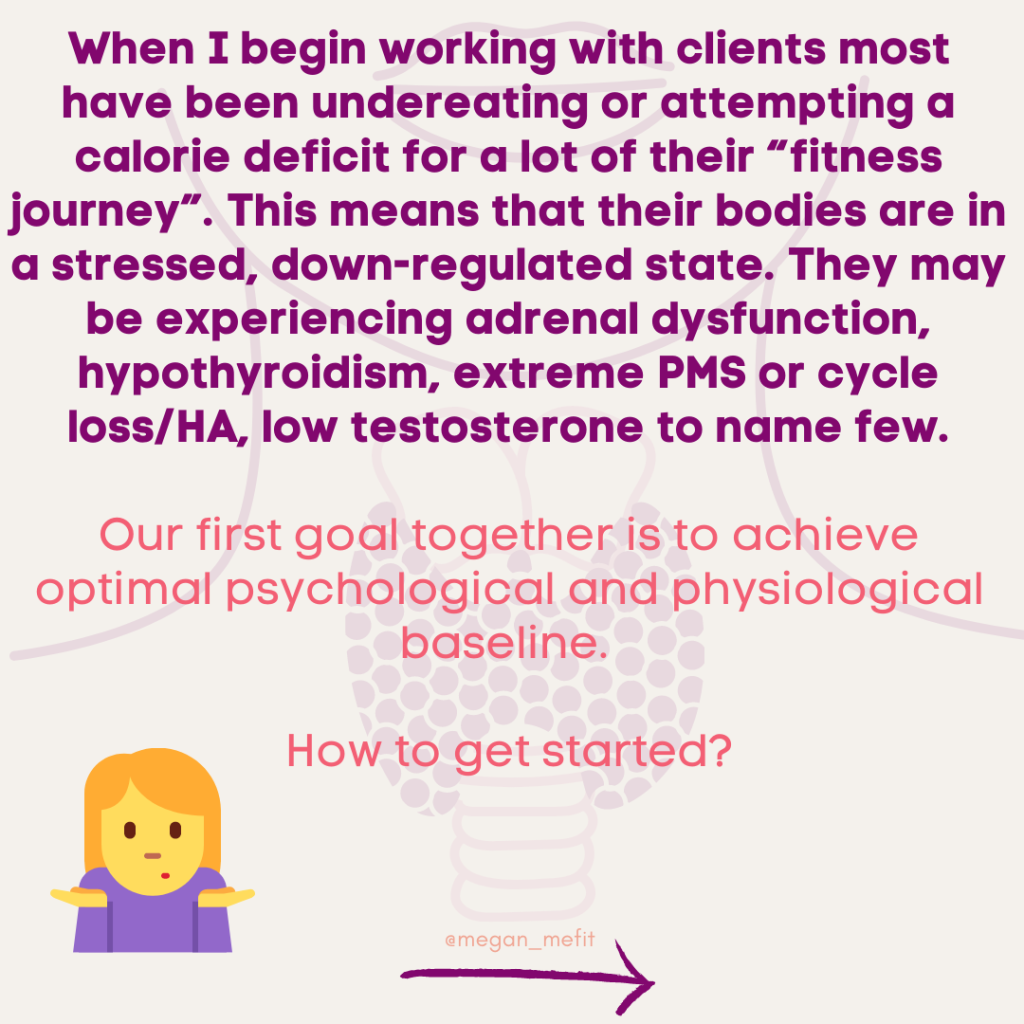
In the summer of 2020, my health hit a major low. Years of chronic dieting, over-exercising, relentless negative self-talk, and hormonal birth control had taken their toll. I was living on the edge—eating almost no carbs, avoiding sugar, dairy, and fats, relying only on lean protein, and pushing my body through six days a week of workouts filled with hours of cardio. The result? I felt terrible physically, mentally, and emotionally.

Symptoms of hypothyroidism and adrenal dysfunction were creeping in. My metabolism seemed “broken” or “slow,” but the truth was simpler: I was undernourished and over-stressed.

My Wake-Up Call

I began tracking my basal body temperature but didn’t initially include resting pulse rates. My average waking temps hovered around 96.5°F, and my pulse was a mere 44 beats per minute. Then I discovered the work of Dr. Ray Peat and Dr. Broda Barnes through the pro-metabolic community. Their research flipped everything I thought I knew on its head.

According to Dr. Peat, a well-nourished, healthy individual should have a resting pulse of 85+ beats per minute. A high resting pulse (in the absence of stress) signals good metabolic health and strong repair capacity. This was a stark contrast to mainstream narratives touting a low heart rate as the gold standard of cardiovascular fitness.

Questioning the Mainstream Narrative

The Mayo Clinic states: “Generally, a lower heart rate at rest implies more efficient heart function and better cardiovascular fitness. For example, a well-trained athlete might have a normal resting heart rate closer to 40 beats per minute.”

But is a low resting heart rate truly beneficial? Evidence suggests otherwise. Thyroid health—the thermostat of the body—plays a crucial role in metabolism. A sluggish thyroid often correlates with lower body temperatures and slower heart rates, indicators of reduced metabolic function.

Why Temperature and Pulse Matter

Metabolism refers to the sum of all biochemical reactions in the body. It’s essentially the rate of energy production at the cellular level—the speed at which your body processes and utilizes energy. Your body temperature is a reflection of this activity. People with under-functioning thyroids tend to exhibit low basal body temperatures and slower pulses, which can indicate:

  • Low thyroid function
  • Inflammation
  • Suppressed immune function
  • High stress
  • Estrogen dominance

In contrast, a warm body is linked to better immune function, efficient digestion, reduced inflammation, and overall metabolic health.

How to Track Temperature and Pulse

Tracking these metrics throughout the day provides invaluable insights into your metabolic health:

  • Upon Waking:
    • Follicular Phase: 97.2-97.8°F
    • Luteal Phase: 98.6°F
    • Resting pulse: 75-90 bpm
  • After Breakfast:
    • Temperatures and pulse should gently rise after meals. Food lowers stress and generates heat. If your numbers drop, it may indicate falsely elevated waking temps due to stress hormones like cortisol.
  • Afternoon:
    • Temperatures should peak between 1-3 PM.

What Your Numbers Reveal

  • Higher temp and pulse (in the absence of stress): Optimal metabolic function
  • Normal temp and higher pulse: Active stress response
  • Lower temp and lower pulse: Chronic stress and metabolic suppression
  • Normal temp and lower pulse: Chronic stress or low thyroid function

How to Optimize Your Numbers

If your temperature and pulse rates aren’t within optimal ranges, consider the following steps:

  1. Prioritize bioavailable protein: Aim for at least 100 grams per day.
  2. Eat enough calories: 1,800-2,000+ per day, depending on individual needs.
  3. Include digestible carbs: At least 150 grams daily (e.g., honey, maple syrup, fruit, root vegetables).
  4. Pair carbs with protein: Avoid “naked carbs” to stabilize blood sugar.
  5. Focus on anabolic exercise: Build muscle with strength training to boost metabolism.

Why This Matters

Using temperature and pulse as tools, you can:

  • Monitor how well your body utilizes energy.
  • Evaluate recovery from exercise.
  • Gain insights into hormonal balance (e.g., progesterone production and ovulation).
  • Identify the impacts of stress on your physiology.

Final Thoughts

Conventional health wisdom often ignores the nuances of metabolism and thyroid health. As Dr. Ray Peat emphasizes, chronic stress and low thyroid function can have far-reaching impacts on overall health, including heart disease and hormonal imbalance. By focusing on temperature and pulse, you’re not just gathering data—you’re unlocking insights into your body’s unique metabolic story.

To read more about the doctor that pioneered these tests grab the book called Hypothyroidism: The unsuspected illness by Dr. Broda Barnes

✌🏼Looking for more support navigating your cycle with fitness & nutrition? Check out my FREE guide & pro-metabolic strength training guide available for purchase!

LINK to apply for 1:1 coaching ❤️

Sources 👇🏻

Special shoutout to the mentors that introduced me on to this amazing research, go give them a follow!

@fundamental.nourishment
@hormonehealingRD
@Jessicaashwellness
@kasey.goins

PMID: 28740582
PMID: 26792255
Dr. Ray Peat


#thyroid
 #thyroidhealing #thyroidhealth #tempsandpulses #prometabolic #prometabolicnutrition #prometabolicfitness #hypothyroidism #adrenalsupport #adrenals #exercise #fitnessjourney #onlinepersonaltrainer #onlinefitnesscoach

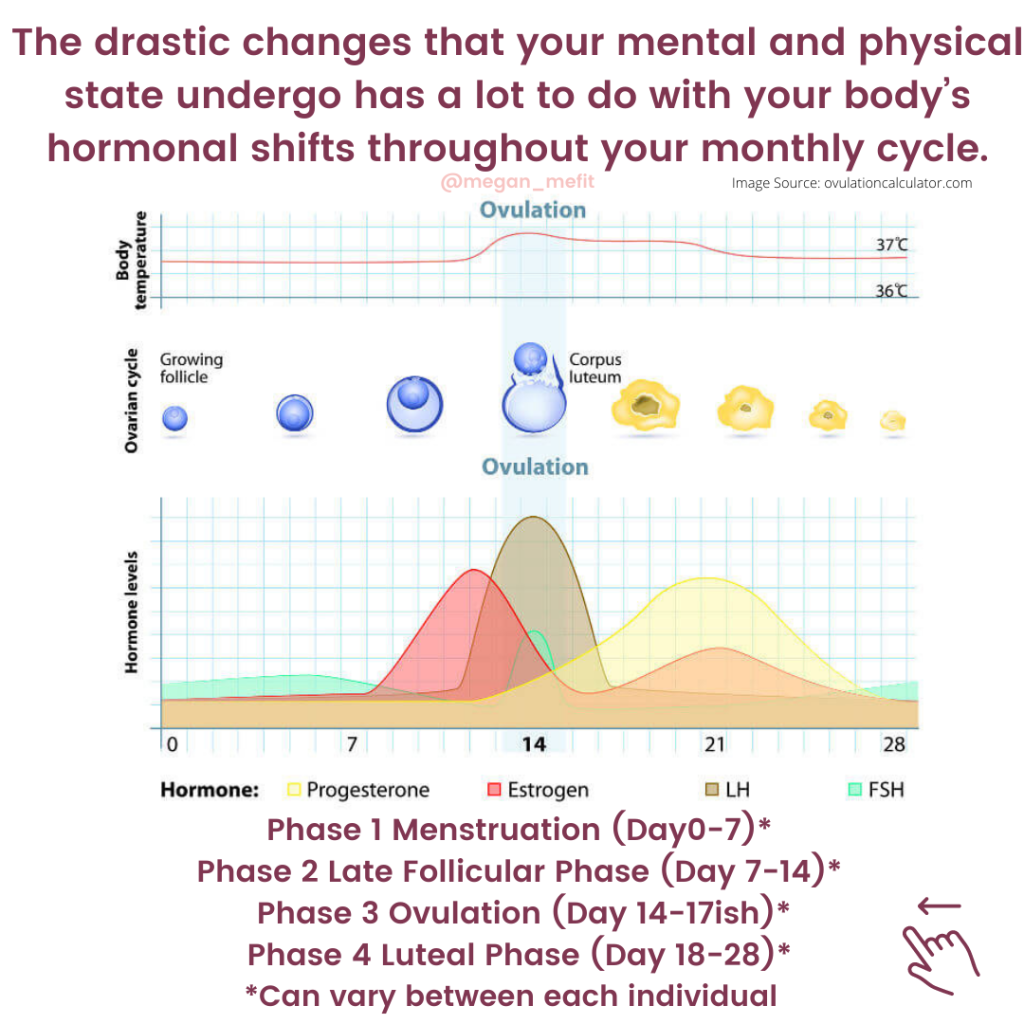
How your monthly cycle can impact body image.

🌀Body Image & your cycle🌀

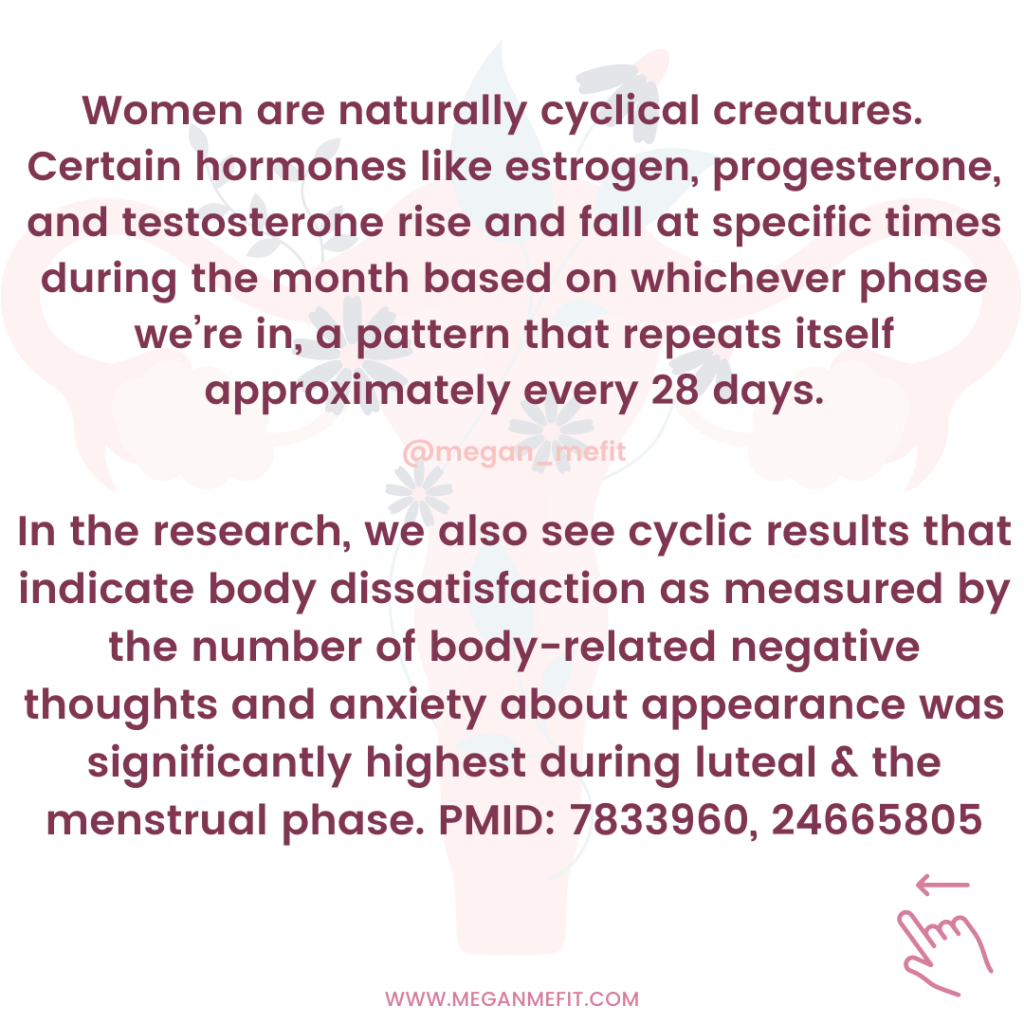
Something I’ve noticed with myself & with clients is fluctuating body image days. 🎢

The more we understand about our monthly cycles, the hormonal fluctuations & how they impact everything from our brain chemistry, energy levels and metabolic function, the better we can support our physiology during these more challenging times.

👉🏻Swipe through to learn what the research says, and my tips for working through this!

Have you ever heard of the term & concept cycle syncing? It was created by @alisa.vitti the founder of @floliving and it’s a practice of planning your life according to the phases of your monthly cycle. Like the foods you prioritize. The movement you focus on, the work project you take on, the social activities you commit to & so forth. It’s more intuitive than you may think!

❤️

Listening to @hormonehealingrd Are you Menstrual podcast 🔊 is informative as well!

✌🏼Looking for more support navigating your cycle with fitness & nutrition? Check out my FREE guide & pro-metabolic strength training guide available for purchase!

LINK to apply for 1:1 coaching ❤️

#bodyimage#bodyimagemovement#bodyimageissues#bodyimagehealing#onlinepersonaltrainer#onlinepersonaltraining#onlinenutritioncoach#nutritioncoach#pms#pmsproblems#womenshealth#womenshormones#womenshormonalhealth#fitnessjourney#dietculturedropout#period#periodproblems#periodtalk#cyclesyncing#womensupportingwomen#women

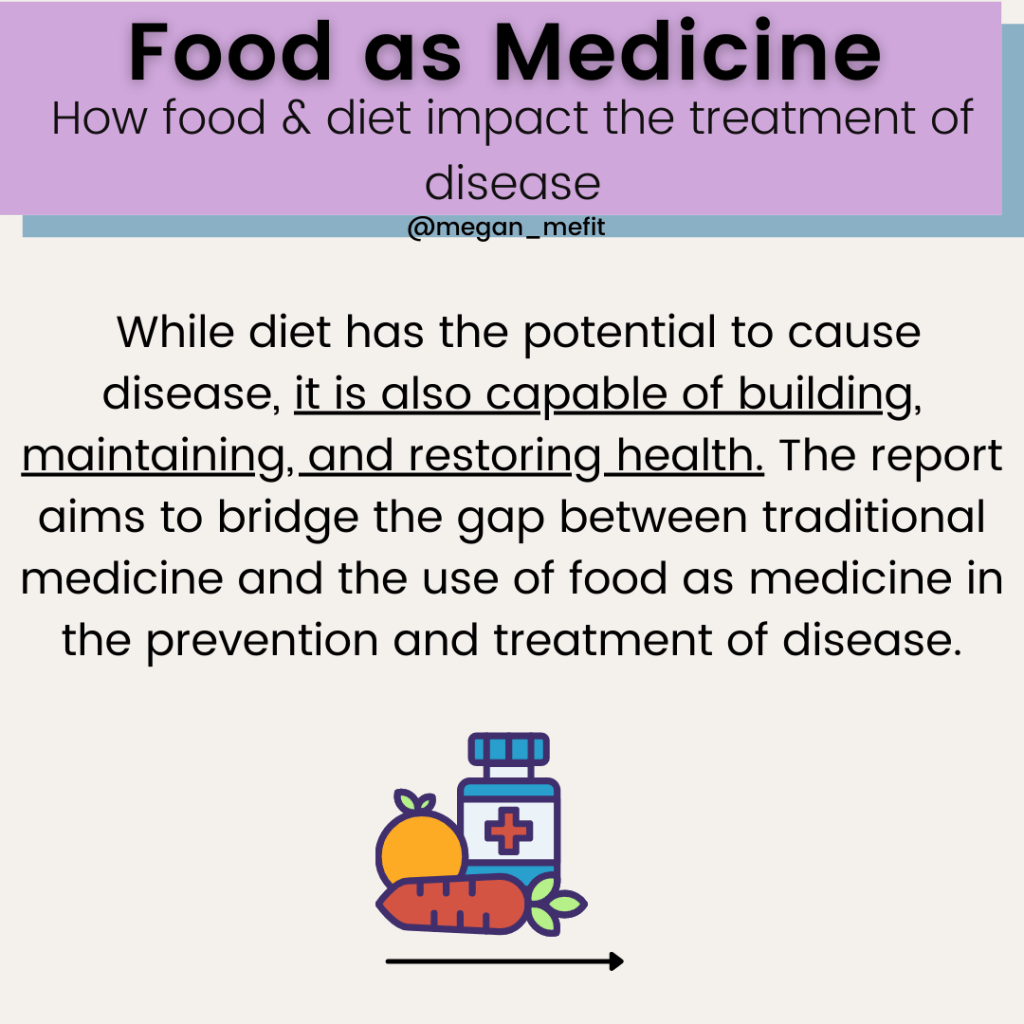
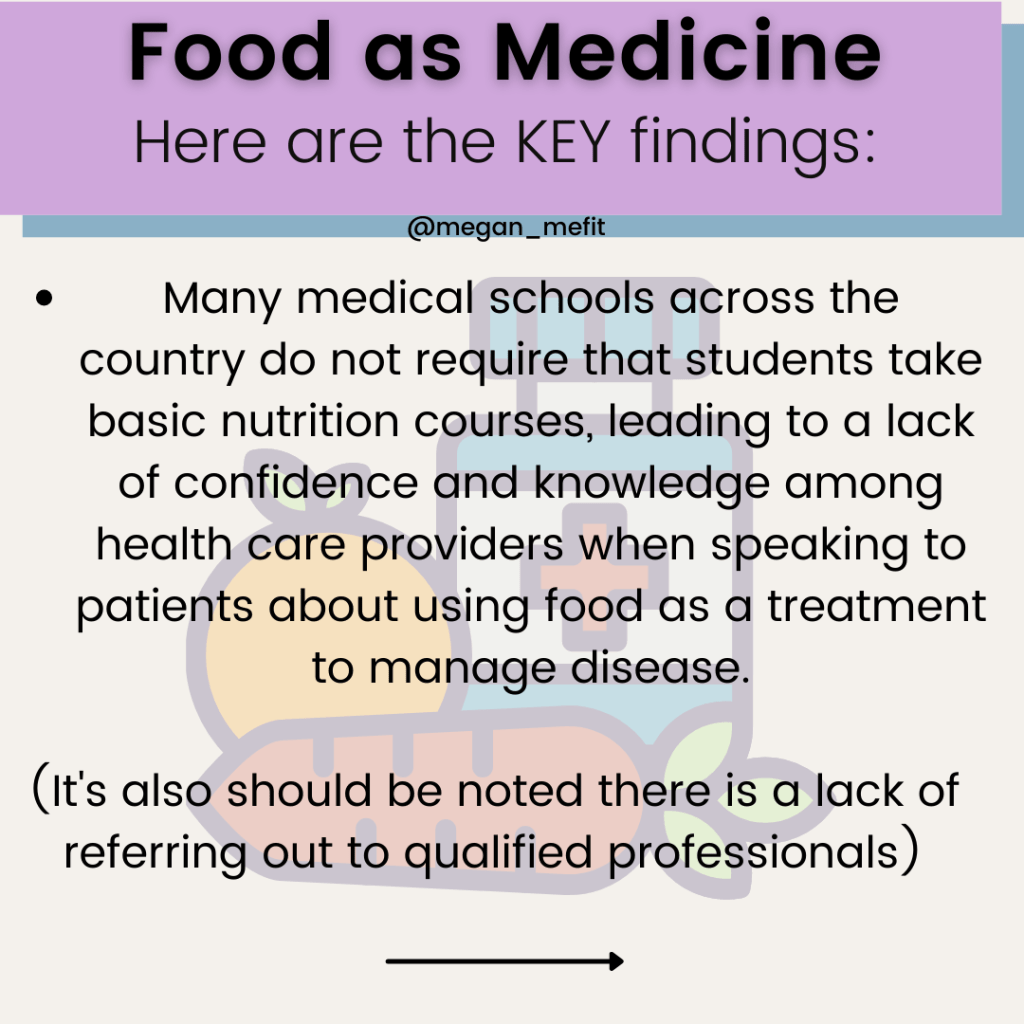
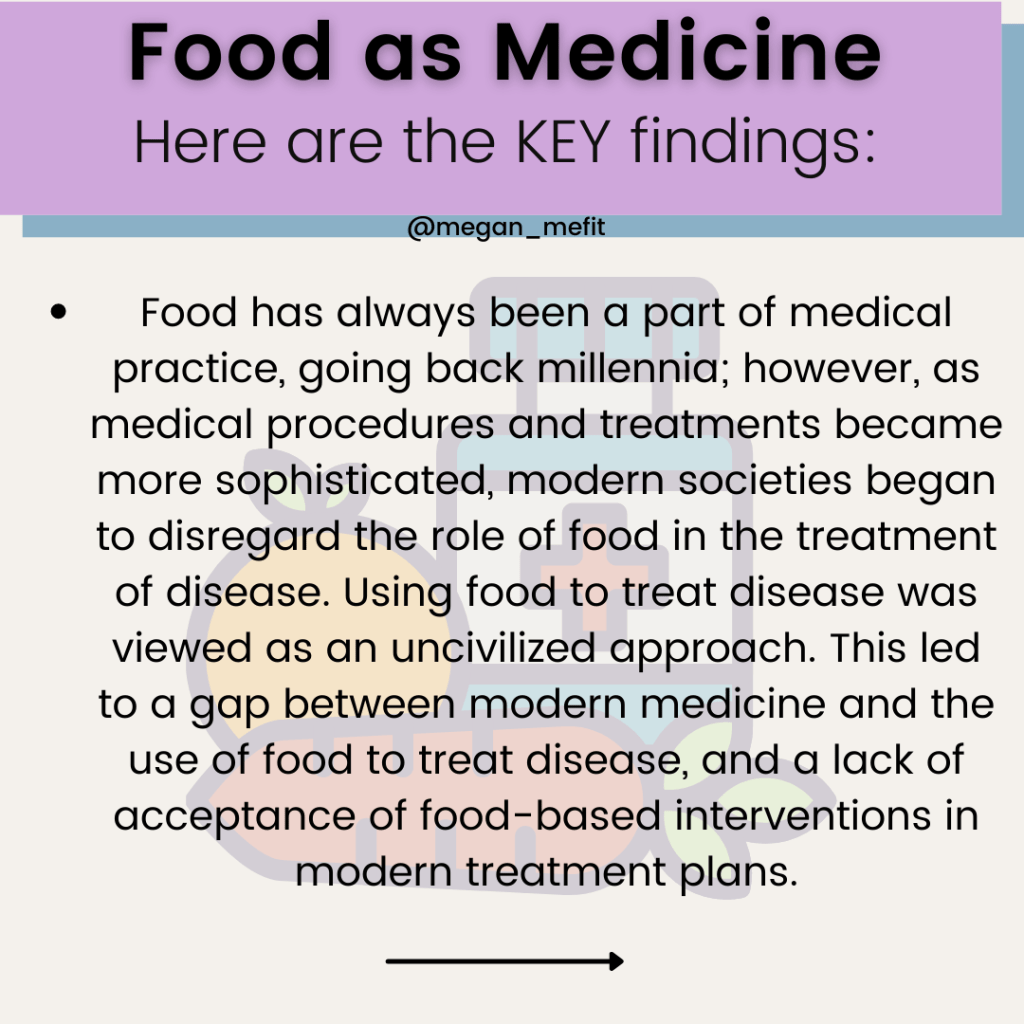
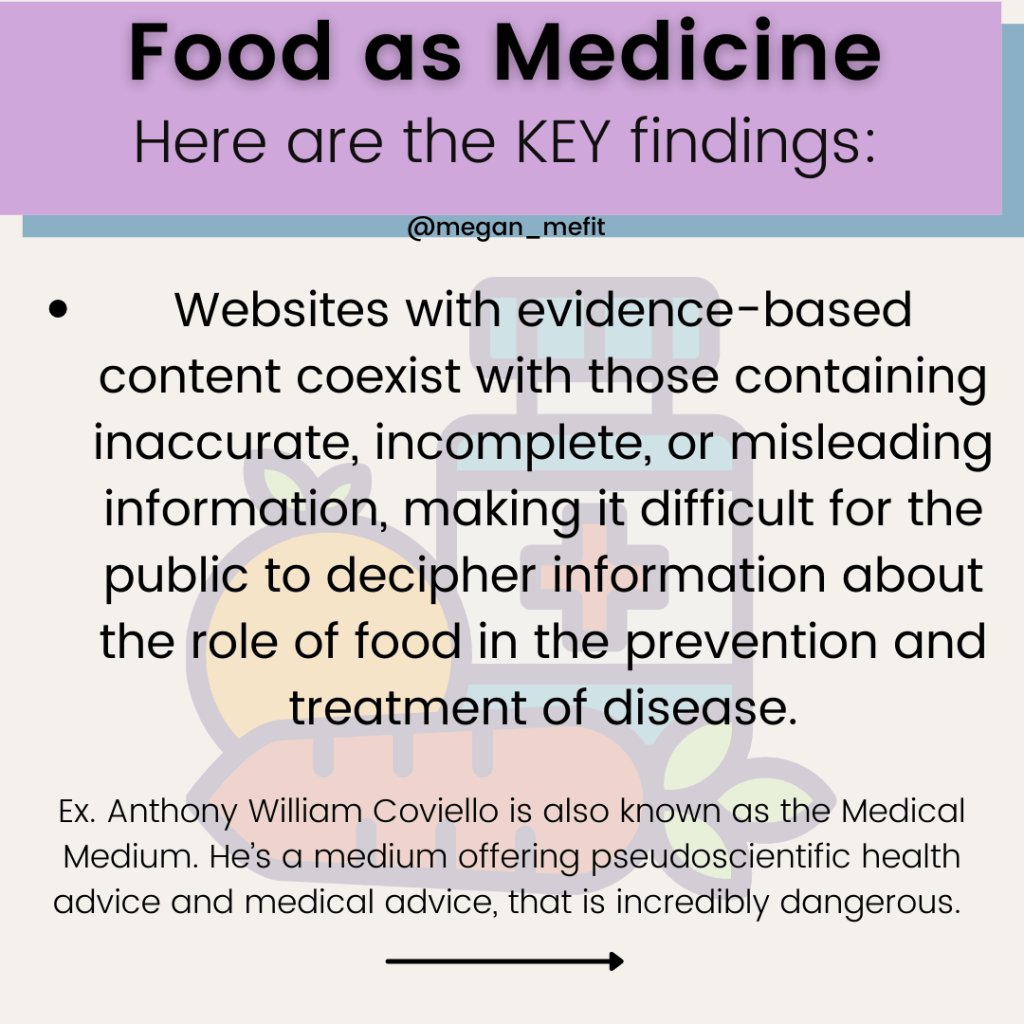
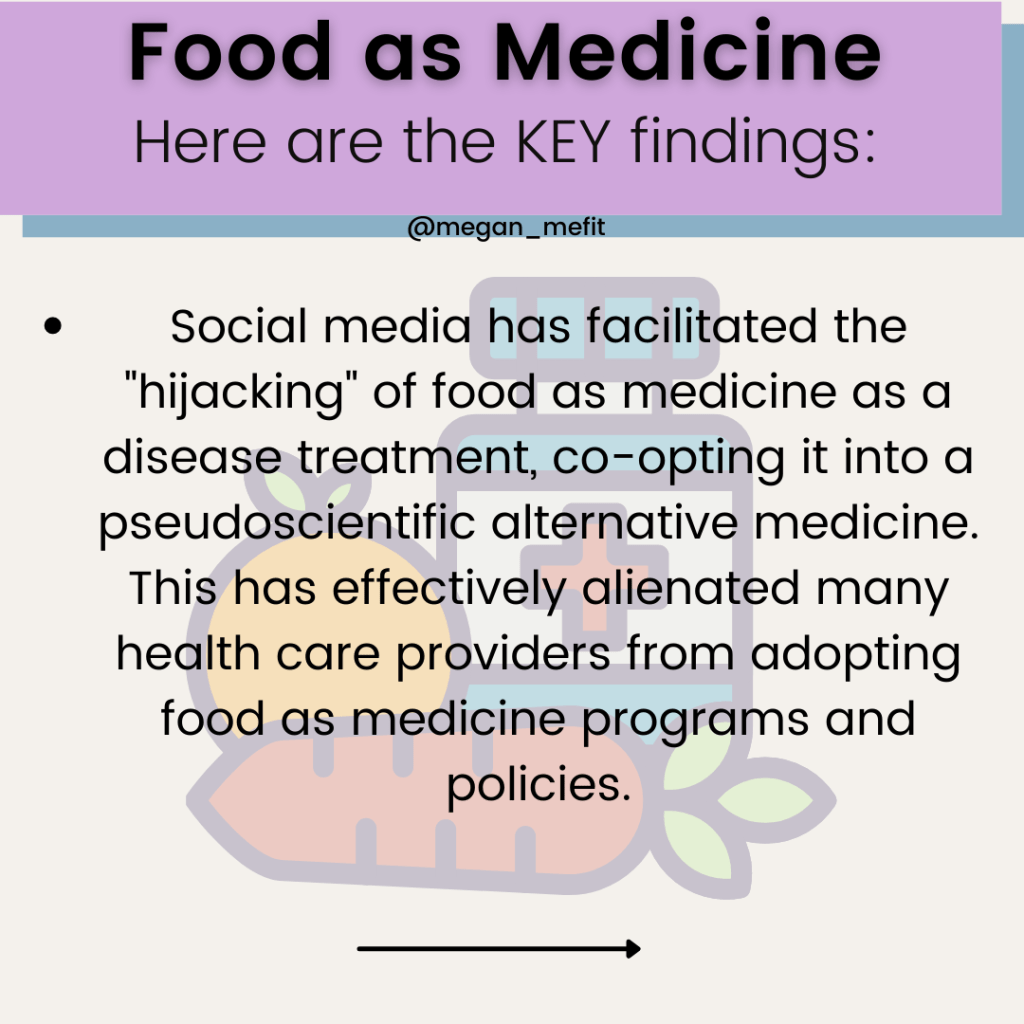
Food as Medicine: How food and diet impact the treatment of disease.

🍽 FOOD AS MEDICINE 🍽
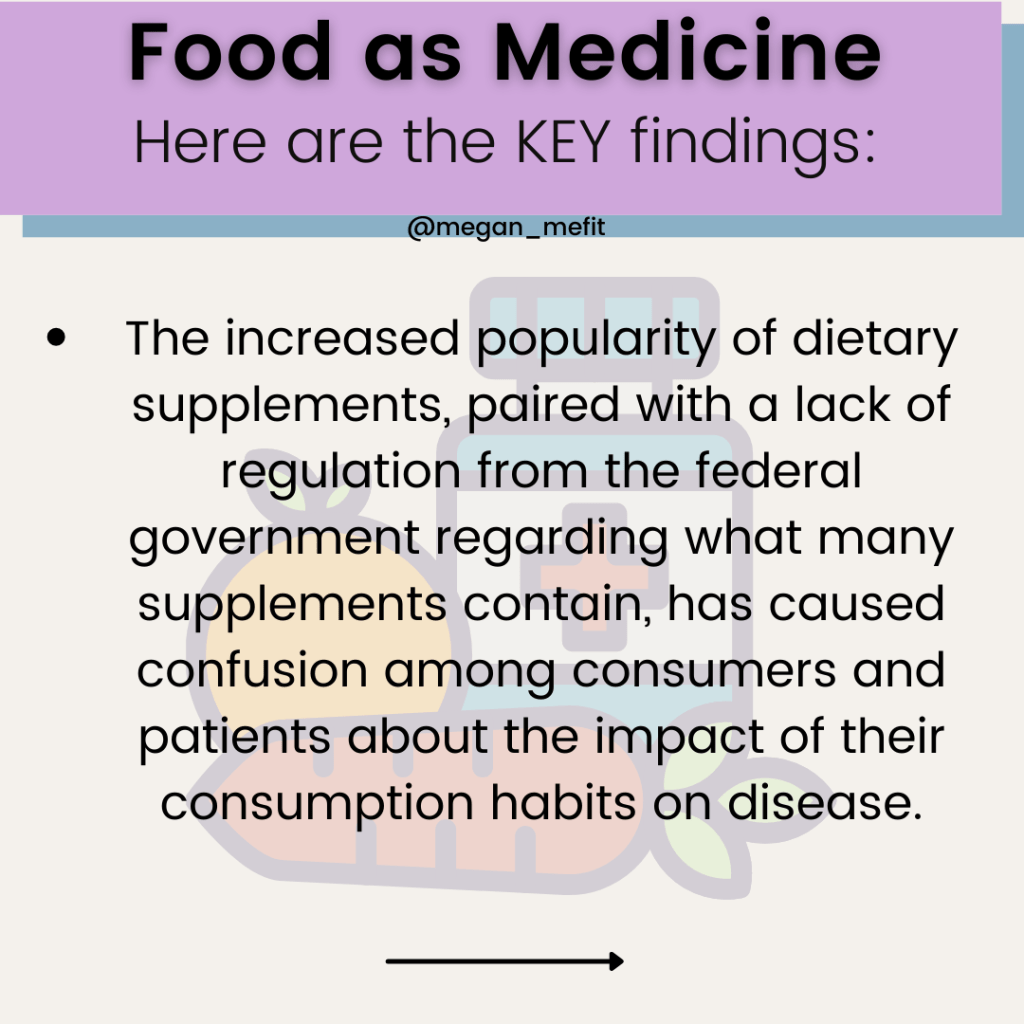
My heart skipped a beat when I saw this report released last week, Which also includes 10 key recommendations to stakeholders to advance food as medicine practices in the prevention and treatment of disease which are all very impressive calls to action. 👏🏻

This is the first of MANY posts I’ll be doing on this.

Let’s dive in👇🏻
In the 18th and 19th centuries, scientific investigation and innovation dominated Western understanding of medicine During that time, American medical education underwent notable advancements. In 1745, the first formal course in human anatomy was established at the University of Pennsylvania, and in 1829, the first American textbook on pathology was published.

These innovations, among others, ultimately inspired a shift away from nutrition-based medicine towards allopathic medicine.

Allopathic medicine is defined by the National Cancer Institute as: “A system in which medical doctors and other healthcare professionals (such as nurses, pharmacists, and therapists) treat symptoms and diseases using drugs, radiation, or surgery. Also called biomedicine, conventional medicine, mainstream medicine, orthodox medicine, and Western medicine

However, the use of food as medicine is rooted in science and has been adopted and practiced by numerous cultures despite the fact that the history of food as medicine was largely ignored by academics until the 21st century.

Now, largely because of its increasing social media presence and online attention,academic study of the history and use of food as medicine has begun to gain momentum, finding its place in journals, conferences, and programs of study!

Last slide says it all 🙌🏻

SOURCE:
Platkin, C., Cather, A., Butz, L., Garcia, I., Gallanter, M., Leung, MM., Food As Medicine: Overview and Report: How Food and Diet Impact the Treatment of Disease and Disease Management. Center for Food As Medicine and Hunter College NYC Food Policy Center; March 30, 2022

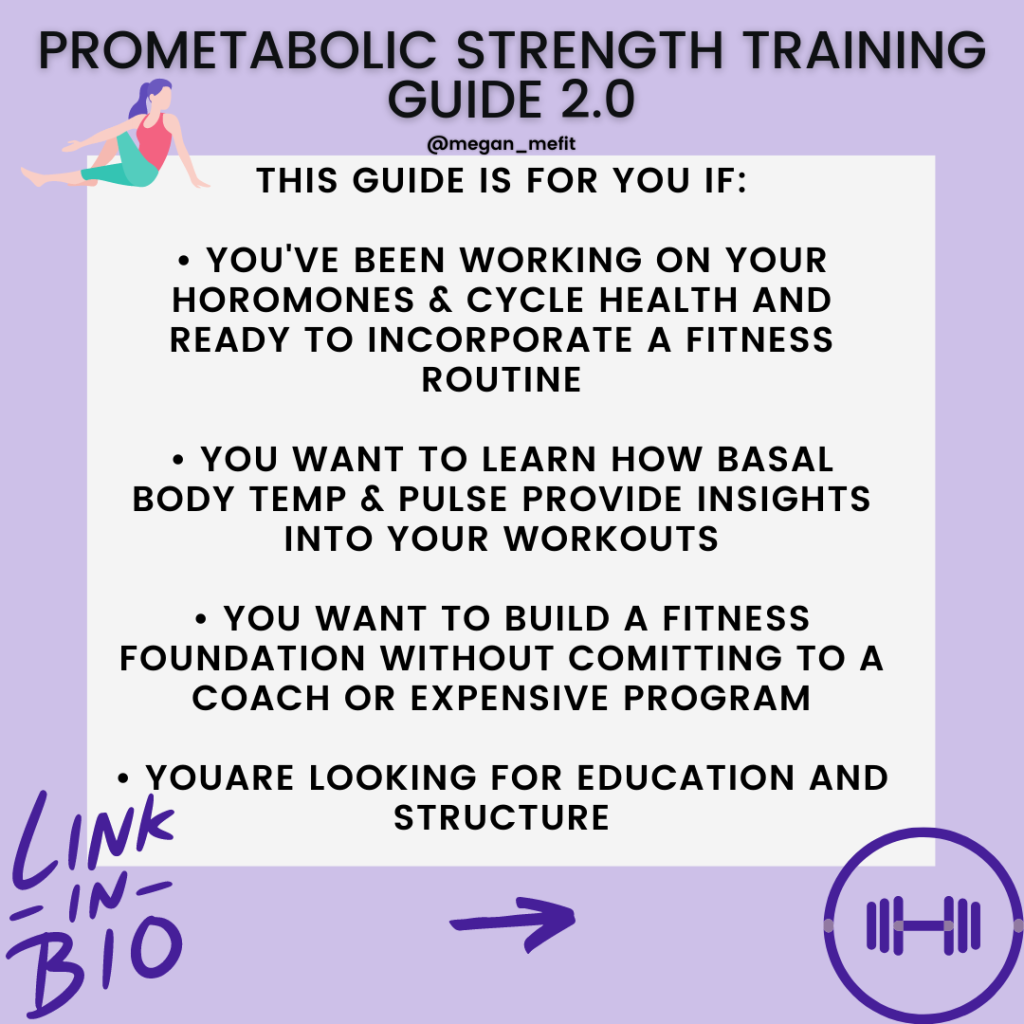
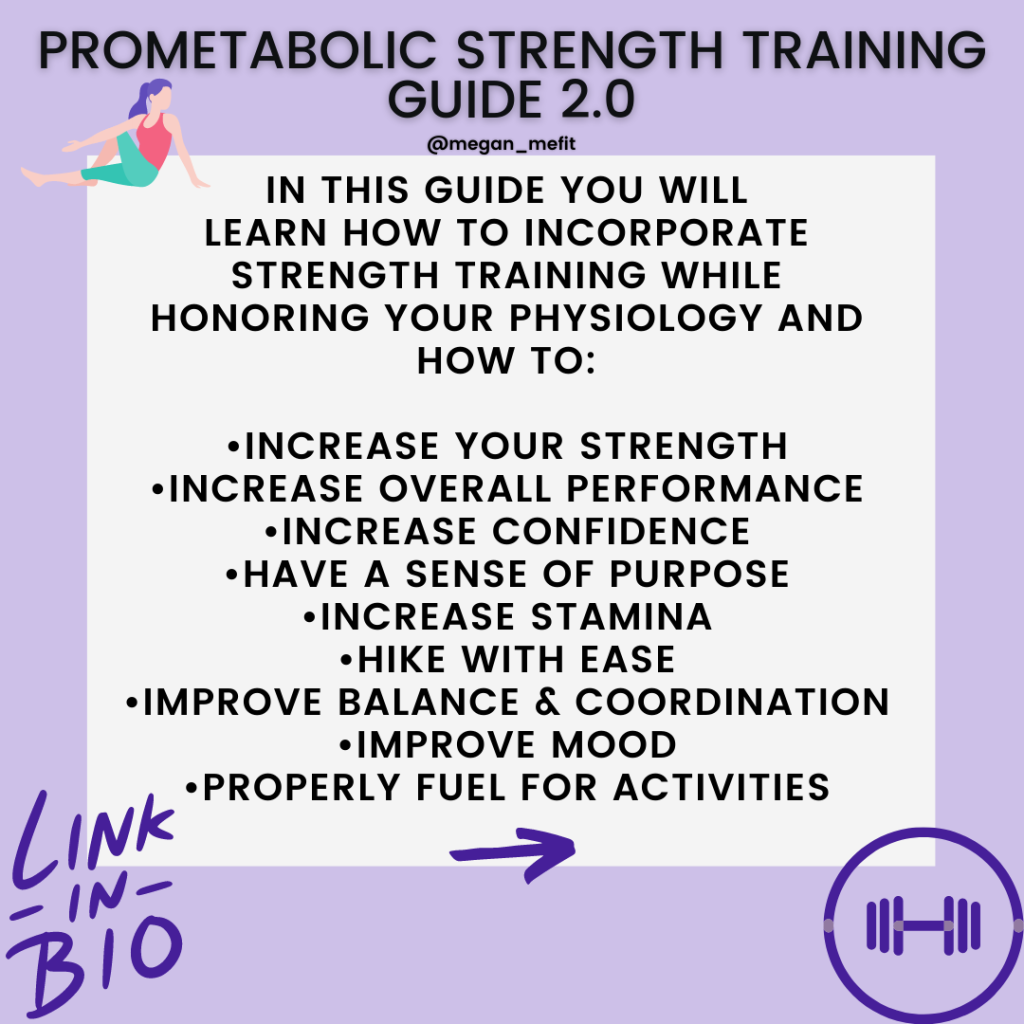
Pro-metabolic Strength Training Guide 2.0

🥁 Drumroll Please! 🥁I am so excited for this guide!

My intentions are to educate you on how to approach strength training while honoring your physiology.

When dealing with hormonal issues, PCOS, thyroid & adrenal issues, and autoimmune flare ups it’s important to be working WITH your physiology not against it.

👉🏻In these women, we typically see low thyroid hormone (either production, conversion or cellular uptake) and high cortisol. So, over-exercising or the KIND of exercise can potentially set you back, push you farther away from achieving hormone balance and reversing your symptoms. 🙅🏻‍♀️

As you know, my message centers on shifting away from the diet culture mentality, over exercising, and “earning” your food, and refocusing on learning to properly and intentionally nourish, appreciate & respect your body.

We can easily fall into the traps of the diet and fitness industry. We constantly chase perfection and the desire to alter our bodies because we live with the belief that we are not good enough. We want to be a smaller size, a smaller number on the scale. I’ve learned these lessons the hard way, as I’ve shared my fitness/health journey coming from a fitness/bodybuilding competition background & the health repercussions of competing.

Swipe through to learn more about it!
👉🏻slide 4 The Pro-metabolic Decision Tree: For clients and I, the top recommendations for non-negotiables prior to incorporating intentional exercise would be: close to ideal temps/pulses, adequate rest and nutritional intake. There is obvious nuance and context here, but this is a general guide.

If you’re low on rest, but really wanting to move your body more than walking/household chores, stick with the blue color-coded workouts which are more core & mobility focused, or a light yoga session. If you’re well rested and well fed, the purple color-coded Strength Training workouts are more appropriate.

LINK TO GUIDES HERE! Check out my FREE guide & pro-metabolic strength training guide available for purchase!

LINK to apply for 1:1 coaching 

#onlinepersonaltrainer #personaltrainer #prometabolic #fitnesscoach #onlinefitnesscoach #onlinefitnesscoaching #fitnessprogram #pcosfitness #womenshealth #womensfitness #strengthtrainingforwomen #strengthtraining #fitfam #womensfitness #thyroidhealing

REMINDER: If you’re a woman adding intermittent fasting on top of exercise, can be harmful to both your performance and health!

⚠️If you’re adding intermittent fasting on top of exercise, you aren’t gaining any extra benefits.

Low energy availability is extremely common in females.

A 2019 survey of 1,000 female athletes across more than 40 sports published in the British Journal of Sports Medicine estimated the risk of low energy availability in women athletes at more than 47%.

Nearly half the performance-minded women may not be eating enough for their body to perform basic functions like creating muscle, regulating metabolism, and maintaining homeostasis after accounting for the energy they use for training.

💥 Diets such as intermittent fasting and keto disrupt kisspeptin production. Women are more sensitive to kisspeptin, neuropeptide that’s responsible for sex hormones and endocrine and reproductive function.

💥 Adding exercise to the equation just adds to the stress of denying our bodies important fuel sources. Our thyroid activity is depressed as a result, which messes with your menstrual cycle.

💥 The long-term effects of intermittent fasting with exercise for women athletes is endocrine dysfunction, increases in abdominal fat, more prone to depression, and subsequent fat gain.

Pretty much the opposite direction of your goals.

I think back on before I truly grasped this concept, not only was practicing intermittent fasting days, fasted workouts/cardio, I was also chronically under-eating and over-training in general. 😟 Never again!

👇🏻LMK What’s your experience with IF?

I’m excited to expand more on this topic for Wild + Well Fed wellness Collective in July! @iamannikanicole@wildlyonswellness

Looking for more support navigating your cycle with fitness & nutrition? Check out my FREE guide & pro-metabolic strength training guide available for purchase!

LINK to apply for 1:1 coaching 💜

Sources:
PMID: 29860237
PMCID: PMC4818825
PMID: 27046965
Front. Endocrinol., 28 March 2018 | https://doi.org/10.3389/fendo.2018.00123
https://doi.org/10.1038/s41574-020-0363-7
Dr. Stacy Sims
#intermittentfasting#intermittentfastingforwomen#womenshealth#womensfitness#onlinepersonaltrainer#personaltrainer#onlinefitnesscoach#fitnesscoach#fitnessmotivation#strengthtrainingforwomen#nutritionist#womenarenotsmallmen#womensfitness#fitnessforwomen#dietculturedropout#bodyneutrality#intermittentfastingdiet

How restrictive dieting (low calories) negatively impacts your thyroid

Your thyroid is a 🦋-shaped gland that powers every cell in your body. It sets the pace for your body to function and operate.

Thyroid health can be so confusing, especially because you don’t need to be diagnosed with a thyroid disorder to suffer from thyroid issues. Hypothyroidism or sluggish thyroid is much more common in women than hyperthyroidism—see symptoms on slide 6.

Swipe👉🏻 to learn how chronic dieting, under-eating, under-nourishing can lead to impaired thyroid function.

It’s important to understand that the years of stressors (Like: undernourishment, overexercising, lack of rest, sunlight, constant stimulation, trauma, halogen exposure, etc.) will not disappear overnight.

Here are some areas to focus on to bring back balance:

Managing STRESS — Developing positive stress coping mechanisms like: journaling, getting outside, asking for help, breath work, taking a bath, therapy, &hanging with pets. Be sure to prioritize morning and bedtime routines, quality sleep, gentle exercise, and support your circadian rhythm by getting enough natural light (and less blue light exposure).⠀⠀⠀⠀⠀⠀⠀⠀⠀
⠀⠀⠀⠀⠀⠀⠀⠀⠀
NUTRIENTS — Our thyroid requires specific minerals, like Vit. A, iodine, zinc, copper, selenium, etc. to properly function. Focus on nutrient-dense foods like shrimp, organ meats, bone broth, quality dairy, &fresh fruits.⠀⠀⠀⠀⠀⠀⠀⠀⠀
⠀⠀⠀⠀⠀⠀⠀⠀⠀
DIGESTION — We need to properly break down and absorb our food to get the nutrients our thyroid requires. We also need enough stomach acid for a healthy digestive process. Try adding in digestive bitters if you suffer from digestive issues.⠀⠀⠀⠀⠀⠀⠀⠀⠀
⠀⠀⠀⠀⠀⠀⠀⠀⠀
TOXINS — Specific chemicals called halogens (bromine, chlorine, and fluorine) compete with iodine and bind to thyroid receptors, preventing thyroid hormones from working properly. Filtering fluoride and chloride out of your drinking and bath/shower water helps those with thyroid dysfunction.⠀⠀⠀

Looking for more support navigating your cycle with fitness & nutrition? Check out my FREE guide & pro-metabolic strength training guide available for purchase!

LINK to apply for 1:1 coaching 🫶🏻

#onlinepersonaltrainer#onlinefitnesscoach#chronicdieting#hormoneimbalance#womenshealth#strengthtrainingforwomen
#thyroid#thyroidhealth#fitnessjourney

Supplements you may want to reconsider:

Let’s talk about SUPPLEMENTS and which ones may be causing more harm than good— this is something I’ve learned A LOT about in the last few years!

The point of this post is NOT to demonize or cast any judgement for taking them. (Hello, I have too!!) but to make you think, and create informed decisions about how and why you would use certain supplements.

As always, challenge the status quo. 💊

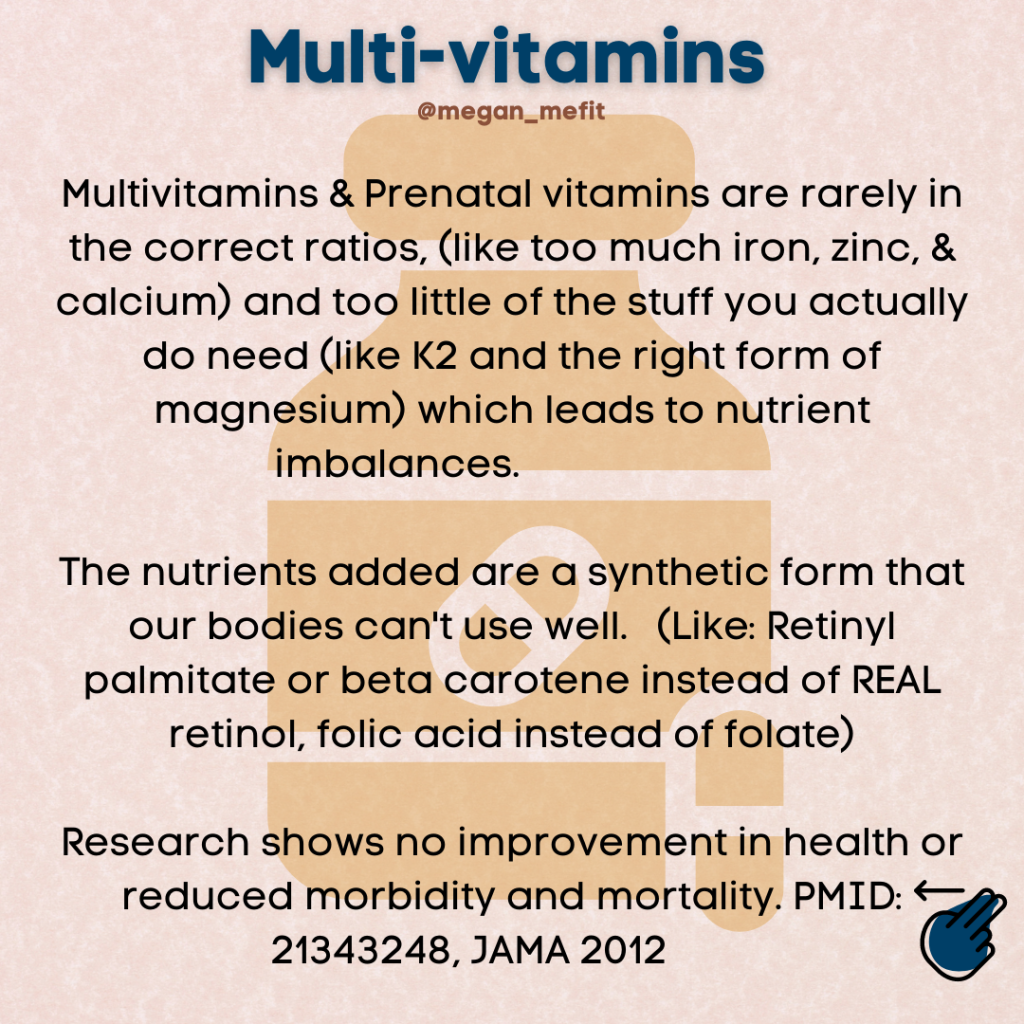
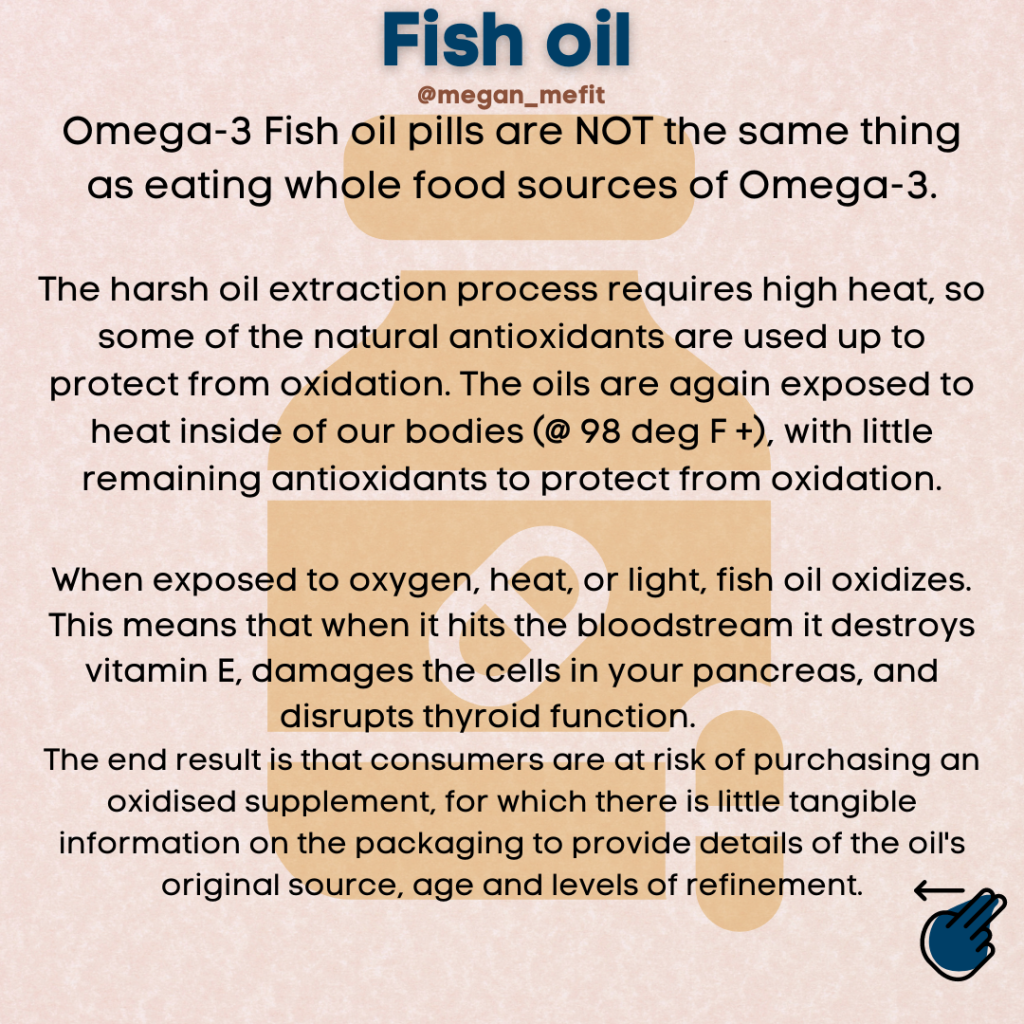
Mother nature knows what she’s doing. When we try to outsmart nature by isolating nutrient compounds for convenience, we’re losing out on the health-boosting rewards that REAL foods have to offer.

Food>Supplements

If you don’t agree, that’s okay! You do you, boo! But please don’t @ me in the comments. As ALWAYS, this is NOT medical advice. Please consult with your dietitian before stopping or using any supplement.

Information sourced from: Morely Robbin’s book: Cu-RE your fatigue and @Kasey.goins@wildlyonswellness@meg_langston@hormonehealingRD@the_nutrition_statistcian please give them a follow & you’ll learn a TON!

Looking for more support navigating your cycle with fitness & nutrition? Check out my FREE guide & pro-metabolic strength training guide available for purchase!

LINK to apply for 1:1 coaching

#supplements#fitness#onlinefitnesscoach#onlinepersonaltrainer#womenshealth#fitnessjourney#prometabolic#functionalnutrition#functionalmedicine#challengethestatusquo
#nutritioncoach

How to create a meal and recipe on My Fitness pal

MEALS:

For foods that you regularly eat together, saving them as a Meal lets you easily add them to your diary as a group. For example, you can create a Meal called “Two eggs & toast ” consisting of two eggs, sourdough toast with ghee and OJ. You can then add this as a group, instantly, instead of adding each item separately. You can also save a single item as a meal, if finding that item in your Meals list adds convenience.

To create a Meal, just log the items you’d like to combine to one section of your diary, then:

On the Web

  • Click “Quick Tools” then “Remember Meal”
  • Give the meal a name.
  • Click either the green “Save Meal” button to save as a new meal, or click the green “Or, Replace An Existing Meal” button to do as the name suggests. 

In our iOS apps and our Android app

For items already logged in your diary…

  • Tap the “Edit” or Pencil button
  • Tap the selection box next to each item you’d like to include in the remembered meal. You can select items from the same diary meal, or include items from multiple meals.
  • Tap the “Save Meal” button (fork and knife around a plus symbol). In Android app, you need to tap the three dots on the top right to select “Save Meal”.
  • Give the meal a name and tap “Save New” or tap “Save as..” to replace an existing meal (iOS apps, tap the check mark)
  • To quickly create a meal from all of the items logged in one diary category, tap the “More” button under that meal. 

Creating meal from scratch…

  • Go to the drop down menu or more page
  • Tap My Meals, Recipes & Foods
  • Select Meals tab
  • Tap “Create a Meal”
  • Then add Meal name, photo (optional) and food items
  • When finished, make sure to hit the Save button on the top right.

When you are logging food in the future, you’ll find your remembered meals in the “Meals” tab of the food search screen.

RECIPES:

Learning this MFP feature allows you to quickly import recipes from popular recipe websites, or to easily match lists of manually entered ingredients, to help make tracking your meals/snacks quicker and easier!

There are two ways to add recipes in our Mobile apps:

From the Diary:

  1. Go into your diary and Add Food
  2. Select the Recipes tab then click on the + (top right)
  3. Select Create a Recipe then Enter Ingredients Manually or Add From Web
  4. Enter the recipe Name and number of servings**
    • If you choose Bulk Import, put in the list of ingredients and the system will choose the best match. You will be able to check update these later
  5. Select Add Ingredients (you can either scan the barcode or type in the search field)
    • You will not be able to use items from your recent/frequent/my foods list
  6. Select Next then review your recipe and Save

From Recipes, Meals & Foods

  1. Open the Menu or More…
  2. Select Recipes, Meals & Foods or My Meals, Recipes & Foods
  3. Make sure you are on the Recipe tab then select Create a Recipe
  4. Then Enter Ingredients Manually or Add from Web
  5. Enter the recipe Name and number of servings**
    • If you choose Bulk Import, put in the list of ingredients and the system will choose the best match. You will be able to check update these later
  6. Select Add Ingredients (you can either scan the barcode or type in the search field)
    • You will not be able to use items from your recent/frequent/my foods list
      Select Next then review your recipe and Save

** If you’re not sure how many servings a recipe will produce, enter a best-guess number when you first create the recipe.

After the recipe is cooked, you can evaluate the number of servings that have been produced. Then, the recipe can be edited, and the correct number of servings can be entered. This article contains additional information on editing recipes.

Check out my other blog for more tips on tracking!

Looking for more support navigating your cycle with fitness & nutrition? Check out my FREE guide & pro-metabolic strength training guide available for purchase!

LINK to apply for 1:1 coaching

Movement creates HOPE! Let’s talk myokines aka ‘hope molecules’!

❔Did you know your body can help your brain feel more hopeful through movement?
“Every time we move our muscles, we are giving ourselves an intravenous dose of hope.”— Kelly McGonigal, PhD

💥 Let’s talk The Power of Hope Molecules 💥 Swipe 👉🏻 to learn.

Exercise & movement are about much more than weight loss.

People who are active are:
-Happier & have more life satisfaction
-At a lower risk for things like depression & loneliness
-Better able to cope with stress & anxiety
-Feel more of a sense of purpose & social connection

Among its many life-altering rewards: the generation of hope, happiness, a sense of purpose, greater life satisfaction and rewarding connections with others, are benefits of exercise that go under appreciated.

Emerging research suggests that when exercised, your muscles become “basically a pharmacy for your physical and mental health.”

If you are willing to move, your muscles will give you hope. Your brain will orchestrate pleasure. And your entire physiology will adjust to help you find the energy, purpose and courage you need to keep going.

Recreating the relationship that we may have with exercise and why we do it is one of the most important aspects of shifting from disordered and restrictive-driven behaviors & cultivating a happy and lasting lifestyle that is pleasant to keep up 🤍

Looking for more support navigating your cycle with fitness & nutrition? Check out my FREE guide & pro-metabolic strength training guide available for purchase!

✌🏼💯LINK to apply for 1:1 coaching

SOURCES:
Psychosomatic Medicine 62:633–638 (2000
PMID: 31142190
PMID: 30627775
Dr. Kelly McGonigal

#mentalhealth #myokines #muscles #moveyourbody #bodyneutral #dietculturedropout #onlinepersonaltrainer #personaltrainer #personaltraining #fitnesscoach #hopemolecules #fitness #hope #antidepressant #strengthtrainingforwomen #prometabolic #exercisemotivation #fitnessmotivation #womenshealth #resilience #trauma #mentalhealthawarenessmonth #explorepage #movementismedicine