Category Archives: diet

Why women who workout should NOT intermittent fast

From a health standpoint, intermittent fasting is useful – especially for the general population who are not very active and struggling with metabolic diseases.

⚠️ However, if you’re adding intermittent fasting on top of exercise, you aren’t gaining any extra benefits.

❗️ In fact, if you’re a woman, adding intermittent fasting on top of exercise can be harmful to both your performance and your health. ❗️

💥 Women are more sensitive to kisspeptin, neuropeptide that’s responsible for sex hormones and endocrine and reproductive function. Diets such as intermittent fasting and keto disrupt kisspeptin production.

It comes down to kisspeptin, is a neuropeptide that’s responsible for sex hormones and endocrine and reproductive function, which also plays a significant role in maintaining healthy glucose levels, appetite regulation, and body composition. It’s also more sensitive in women than men. When it gets perturbed, our sex hormones aren’t produced and released the way we need them to be. 

Intermittent fasting and keto both disrupt kisspeptin production. When our brain perceives we have a deficiency in nutrients, especially carbohydrate, we have a marked reduction in kisspeptin stimulation, which not only increases our appetite, but also reduces our sensitivity to insulin. This is why research shows intermittent fasting is more likely to cause impaired glucose intolerance in women, but not men.

What happens when we layer exercise stress on top of the stress of denying our bodies an important fuel source? Stress hormones like cortisol rise even higher. As you keep increasing that stress, it keeps your sympathetic drive high and reduces your ability to relax. Your thyroid activity is depressed, which messes with your menstrual cycle. Your body also starts storing more belly fat.

So now you’re looking at disrupted menstrual cycles, higher anxiety and stress, impaired performance and often weight gain—pretty much the opposite of what you’re looking for!

The ketogenic diet has very similar effects on women athletes. We hear people rave about the increased mental focus with a keto diet. In men, yes. They have an increase in their parasympathetic (a.k.a. rest and digest) activity, so they can be more relaxed and present. In women, keto kicks up our sympathetic (a.k.a. fight or flight) drive, so we’re more anxious, more prone to being depressed, and we can’t sleep very well, which again hurts our hormonal health, performance, well being, and body composition.

Sometimes women will contend that these diets work so well for them. And they might for the first three months, because nearly any diet will yield some effects in the short term. The long term effects for women athletes, however, is endocrine dysfunction, increases in abdominal fat, more depression, and a backlash of subsequent fat gain.

Women athletes perform far better in a fed state. Women athletes need to eat. 

💥 The long term effects of intermittent fasting with exercise for women athletes is endocrine dysfunction, increases in abdominal fat, more depression, and subsequent fat gain.

Pretty much the opposite direction of your goals.

👇🏻LMK What’s your experience with IF?

SOURCE: https://www.drstacysims.com/
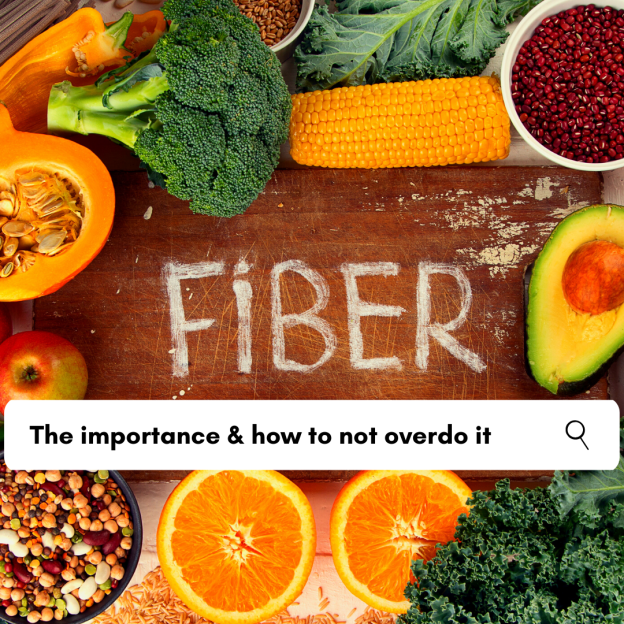
The importance of Fiber & how to not overdo it.

Fiber is an essential nutrient. However, many Americans fall short of the recommended daily amount in their diets. Women should aim for about 25 grams of fiber per day, while men should target about 38 grams, or 14 grams for every 1,000 calories. Your fiber intake is a good gauge for overall diet quality.

The idea that more fiber is always better is one of those persistent nutrition myths that has been drilled into us for decades. When someone decides to go on a ‘health kick’ they often start by loading up on the salads, vegetables, whole grains, seeds and legumes because fiber! Only to experience tons of gas, bloating, constipation and heartburn a few days in.

While adding ‘roughage’ to our diet is often recommended, there are some potential downsides to that:

👉 Harsh fibers can be very irritating for our gut, damaging the gut lining.

👉 Your body has to expend a lot of energy to move all this bulk that provides no energy in return.

👉 When too much fiber sits in the gut for too long, it can ferment, causing gas, bloating and acid reflux.

👉 Just think about it: is making something bigger really the solution when you are trying to pass it through a small hole?

This is not to say that all fiber is bad. But overdoing greens and grains especially when your gut is not in an optimal state can end up making you feel worse. I like to stick to more gentle fibers. These include fruit fibers and those from very well cooked vegetables. If your gut is in a good place, you can probably handle more fiber with less problems.

So why the raw carrot salad then? Raw carrots are unique in that they have their own defense’s against bacteria and fungi (ever noticed how much longer you can keep carrots in your fridge compared to other veggies?). The fiber in carrots can bind toxins produced by bacteria and carry it out rather than increasing the amount produced.

Fiber rich food sources are veggies like carrots, peppers, asparagus, bamboo shoots, cooked leafy greens like spinach, kale, chard, fresh arugula. Fruits like apples, berries, oranges, plums, prunes, and avocado.

When increasing fiber, be sure to do it gradually and with plenty of fluids. As dietary fiber travels through the digestive tract, is similar to a new sponge; it needs water to plump up and pass smoothly. If you consume more than your usual intake of fiber but not enough fluid, you may experience nausea or constipation.

The fiber argument is nuanced. We can’t really make blanket statements about fiber because it really depends on the type of fiber, the state of the individual’s gut, what else they are eating, etc. The best way to determine your fiber threshold is to pay attention to how your body reacts and adjust as necessary.

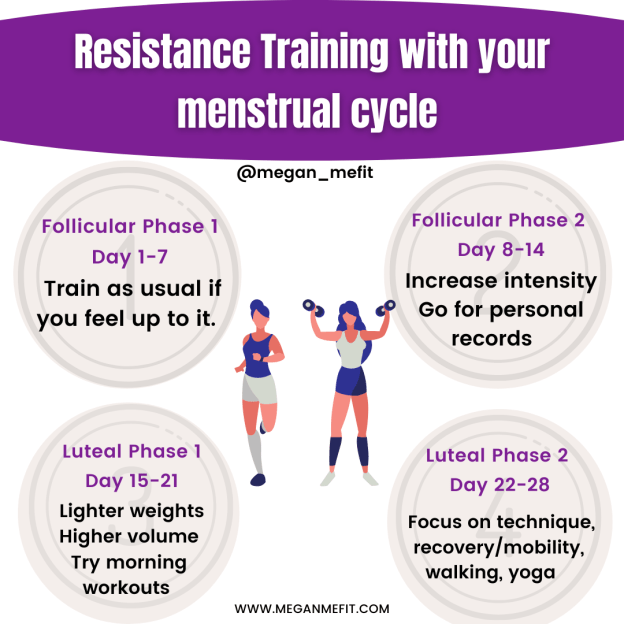
Resistance training with your monthly cycle

Hey ladies🙋🏻‍♀️
Have you ever noticed that you feel different throughout the month during your workouts? 🏋🏻‍♀️

💥 MORE Energy? Stronger? Faster? Leaner?
🌧 Some days are you Less motivated? Experiencing More Fatigue? Gastric distress? Bloat?

It isn’t just in your head, as females, our body’s change week by week depending on where we are within our hormone cycle.

AND LADIES, your body doesn’t care how much you can deadlift or much rather prioritize strength and fat loss goals, when it is preparing to create a life. 💜

Here is what is going on during the the first two weeks of your cycle:

Follicular Phase (Days 1-14):

•Estrogen Increases
•Mood and Energy increase.
•More lean muscle mass
•Aerobic Capacity Increases.
•More Insulin sensitive.
•Strength and overall performance may increase.

This is when you can prioritize strength, power and explosive 🧨 training 💥! Heavy lifts, higher intensity workouts, all that jazz!

Here is what is going on during the different phases of your cycle:
Luteal Phase (Days 15-28):

•Estrogen decreases and Progesterone increases.
•Strength and overall performance may decrease a tad. (this is TEMPORARY).
•Fatigue and Mood may decrease
•Cravings might increase.
•Bloating and Water retention increase.
•Less Insulin Sensitive.

TLTR: When in the last two weeks of your cycle try more calming, restorative exercise like yoga, walking, hiking, accessory/mobility work during the second half.

This would be working WITH your physiology–not against it! 🤍

✌🏼Link in bio to apply for coaching

#onlinepersonaltrainer#fitness#trainwithyourcycle#onlinenutritioncoach
#womenshealth#hormones#fitness#womenarenotlittlemen
#fitness#womenshealth

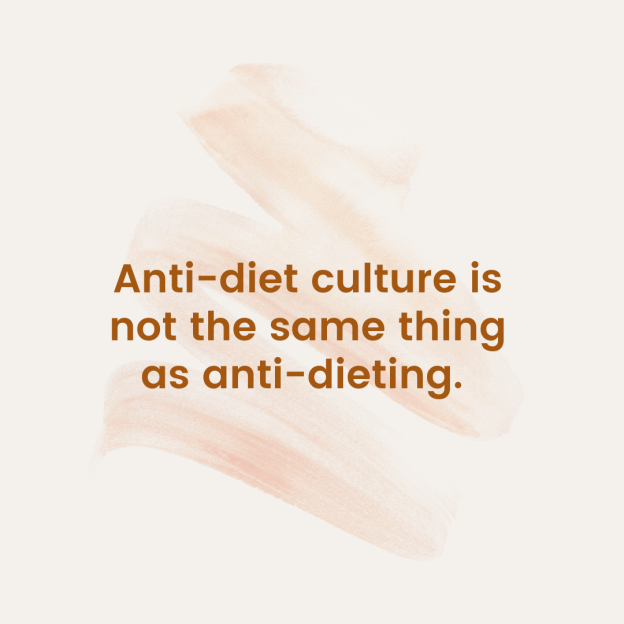
Anti-diet culture is not the same thing as anti-dieting.

Diet culture places value on our weight and size over our health. it promotes messaging that tells us what foods are “good” & what foods are “bad.” it glorifies restriction & willpower and ignores our wellbeing.⁣

Diet culture is supported by a multi-billion dollar industry that pushes weight loss through every medium possible.⁣

Diet culture tells both men & women that they are not small enough, strong enough, or lean enough. ⁣

DIET CULTURE IS HARD TO IGNORE.⁣

So, how can one be against diet culture but fine with a diet?⁣

it starts with terminology >>⁣

A DIET merely refers to the foods & drinks we habitually consume. a diet can be a specific, structured way of eating or just our normal daily intake.⁣

The term “DIETING,” is often where the idea of weight loss comes into play. Dieting is (usually) used to describe eating with the purpose of losing weight, which requires a calorie deficit.⁣

>> I am anti-diet culture because i believe that food is not meant to be associated with guilt and shame <<⁣

I am anti-diet culture because i do not believe that reaching a specific weight, shape or size is ever more important than our physical or mental wellbeing. ⁣

However, I do believe that it is ok to want to change your diet.⁣

It is ok to have aesthetic goals, especially when we can learn to work towards them in a healthy & sustainable manner. ⁣

It’s to want to shift from old negative eating patterns and thoughts to new behaviors that leave you fueled and healthy.⁣

I believe that it is ok to want to look & feel your best & addressing your nutrition and relationship with food is often the best way to do so.⁣

Your diet is not bad. restriction, shame, guilt, & obsession are 💥

Reposted from @klnutrition Be sure to give her a follow 🤎

#dietculturedropout#bodyneutrality#fitnessfriday#onlinenutritioncoach#onlinepersonaltrainer#onlinehealthcoach#newyorkfitness#nutritionist#nutritioncoach#dietculture#diet

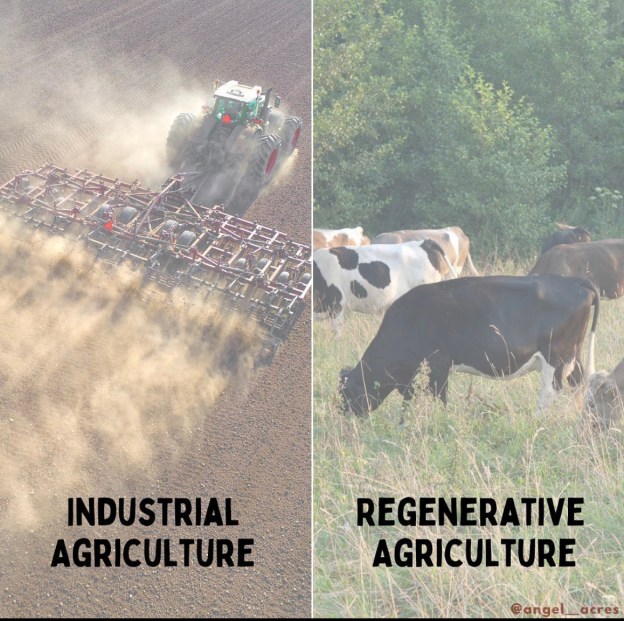
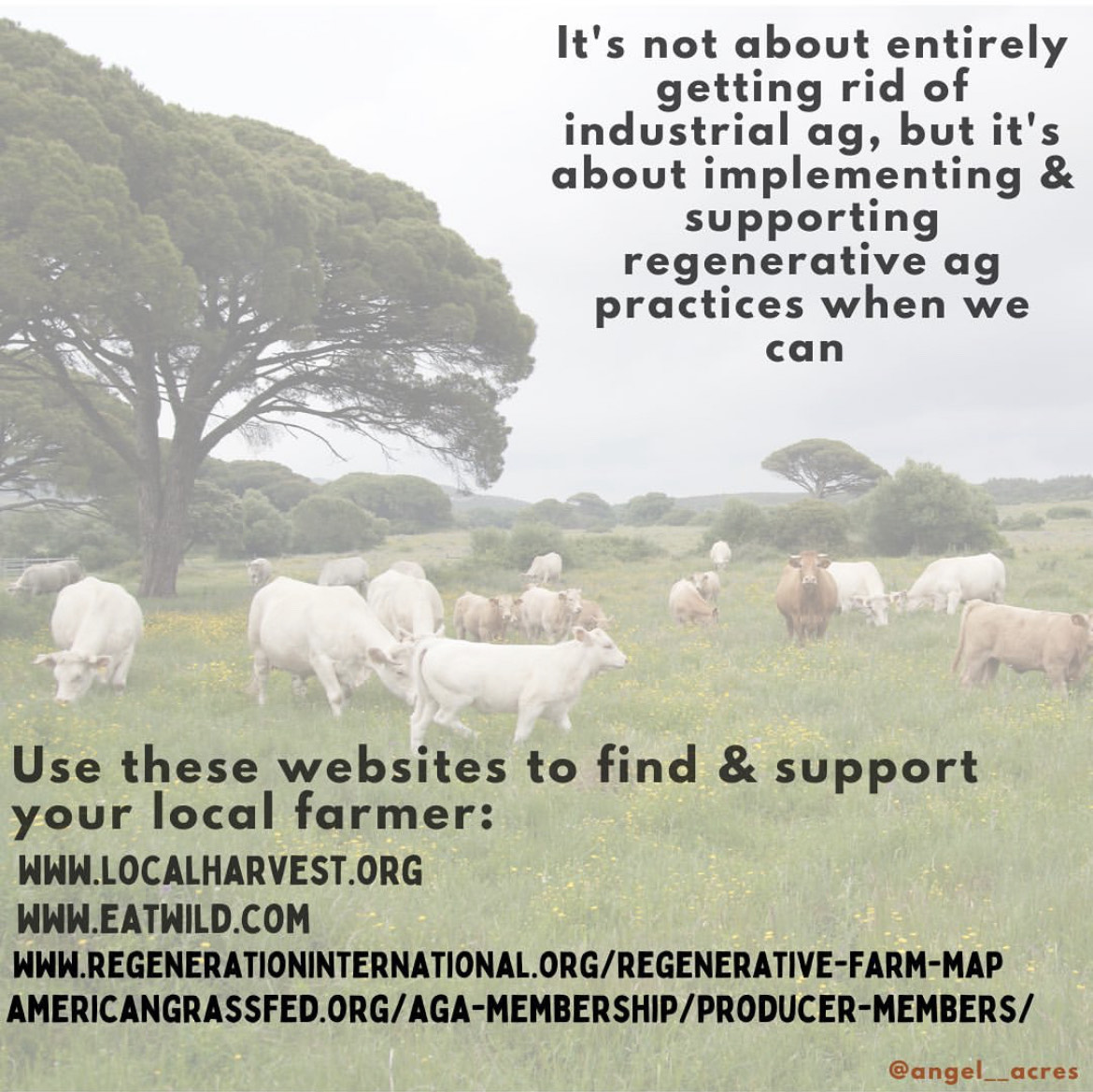
Industrial farming vs regenerative agriculture

We’ve degraded the soil through industrial ag, turning millions of acres into dirt, not soil.

And growing food on dirt requires a lot of synthetic chemicals.

The more we implement these practices, & degrade soil biology, the more & more inputs we need to grow food.

External costs rise, profits of farmers dwindle, while the profits of agrochemical companies, like Bayer, rise.

These chemicals have severe environmental & human health consequences!

Intensive agriculture near the Mississippi River, for ex, has led to fertilizers leeching into the river, & ultimately the Gulf of Mexico, resulting in a huge oxygen-deprived dead zone in the Gulf of Mexico.

A new report by USGS, National Water-Quality Assessment (NAWQA) Project, reveals the presence of pesticides is widespread in U.S. rivers & streams, with almost 90% of water samples containing at least 5+ pesticides.

The U.S. Centers for Disease Control & Prevention says Americans now have an average of 43 different pesticides in their bloodstreams.

We can grow food without these nasty chemicals, but this requires working with nature & restoring the soil biology with regenerative agriculture practices.

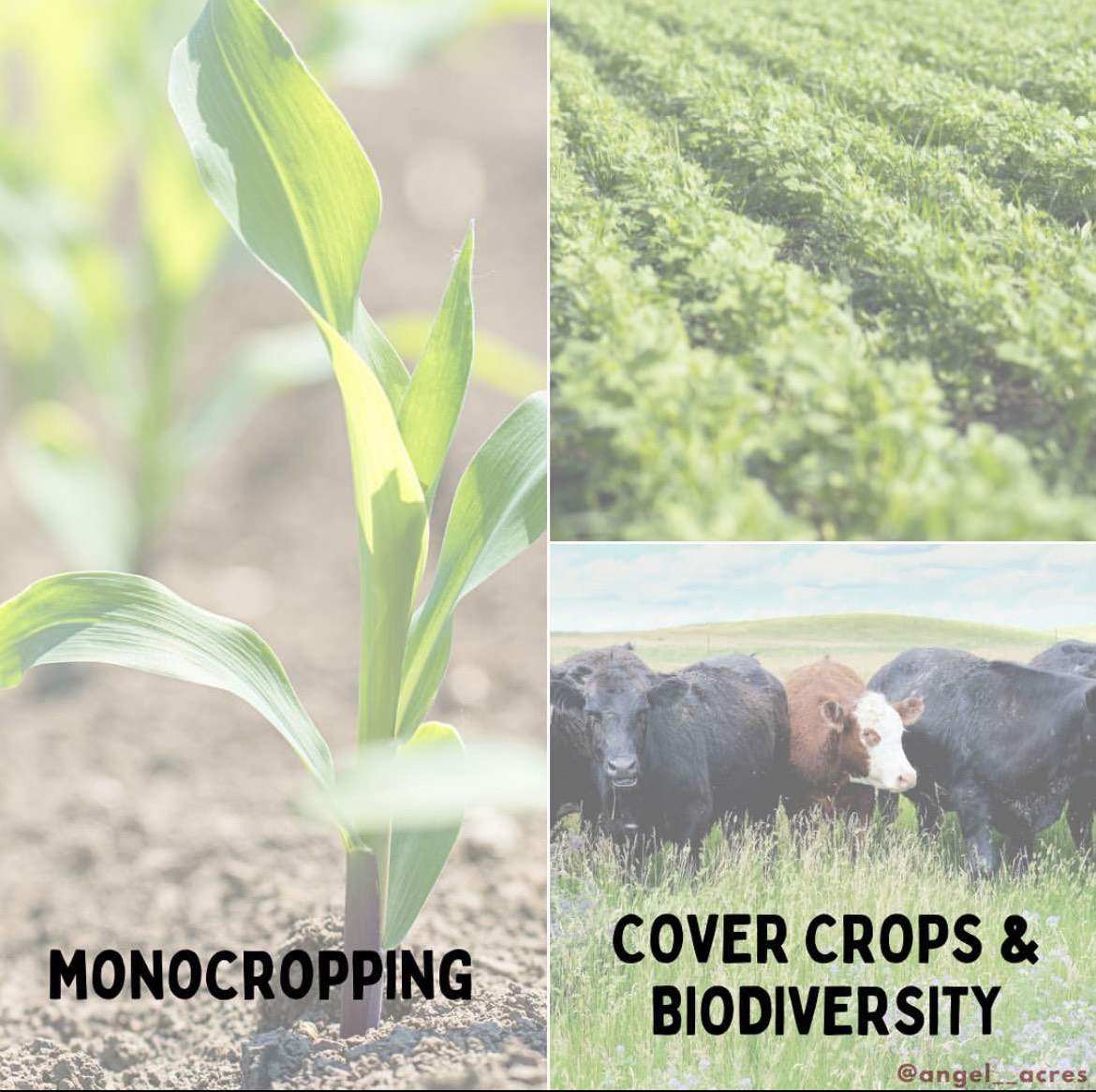
Regenerative ag refers to a set of farming practices with the main goal of improving soil health. Some of these practices include holistic planned grazing, biodynamic farming, permaculture, agroforesty, silvopasture, integrated livestock crop management, & diverse cover cropping. The strategy selected for a given farm depends on the farmer’s goals & what makes sense to the farm’s ecosystem & location.

These practices leverage the power of photosynthesis to close the carbon cycle & restore the balance between carbon in the atmosphere & carbon stored in the soil.

In proper functioning soil, plants intake carbon from the atmosphere, convert it into sugars, & then pump some of the sugars through their roots to feed microorganisms that use the carbon to build soil.

In exchange for these sugars, the microorganisms (that are not “fed” & are killed off by industrial ag practices) send water & a wide array of nutrients back to the plant. A beautiful symbiotic relationship, how nature intended.

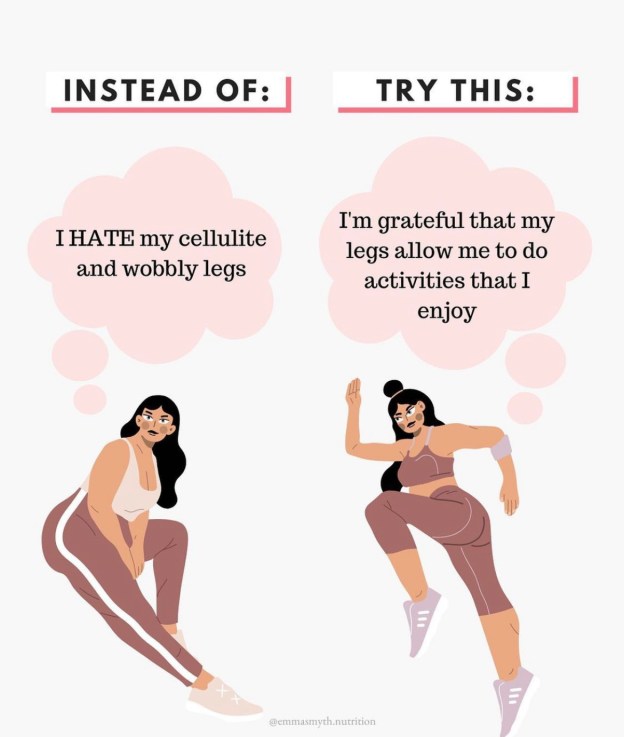
Body Appreciate and Gratitude are key in improving body image.

Reframing our thoughts is an important aspect of cultivating our healthiest best lives. ♥️

In recent studies, body appreciation & gratitude towards the body have been the central organizing variables within how to cultivate positive body image.

🤗Body appreciation has been defined as accepting, holding favorable opinions towards, and respecting the body, while also rejecting media, promoted appearance ideals as the only form of human beauty. (Avalon et al., 2005)

Many of us struggle with negative self-talk.⁠

We put ourselves down, criticize ourselves, and beat ourselves up… and some of us do it so much we don’t even realize we’re doing it!⁠

Negative self-talk can become a habit, and it’s an important habit to break because the thoughts and words we say and think shape our reality. 🙅🏾‍♀️🙅🏻‍♀️🙅🏿‍♀️🙅🏽‍♀️🙅🏼‍♀️ ⁠
Thankfully, studies have shown that using neutral or positive affirmations can help us rewire our brains and change our outlook! 🧠⁠

❓How❓⁠

By disrupting these negative thought patterns and reframing them into statements that serve you better. Basically, by being deliberate with your self-talk!⁠

Sources:
•Body Image 12 (2015) 53-67
•DOI: 10.1.1002/eat.23238

Thank you @emmasmyth.nutrition for your graphic 🤎
**************************************
✌🏼Link in bio to apply for my 8 week foundation coaching program, where we create optimal health and wellness through individualized fitness programming, mindset coaching and balanced nutrition! 💟

#bodyimage#bodyappreciation#weightloss#diet#dietplan#dietculture#dietculturedropout#nutritioncoach#onlinepersonaltrainer#personaltrainer#fitness#onlinefitnesscoach#fitnessmotivation#research

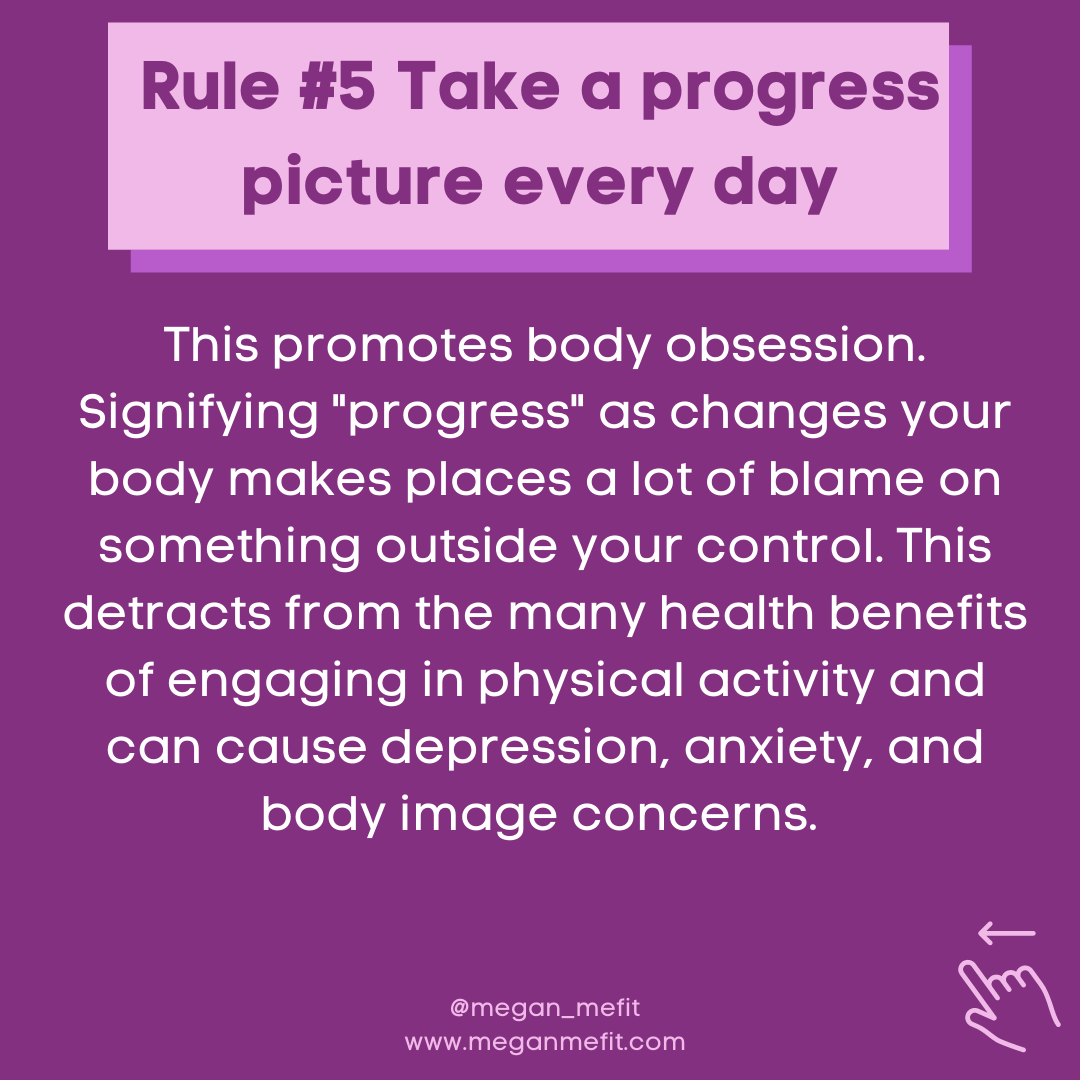
Why the 75 HARD challenge won’t help you with your goals & can damage your health instead….

The 75 hard challenge is one of the worst things I’ve seen roll out as a health and wellness professional. Please swipe & read how each point is unreasonable and unnecessary.

The founder of 75 Hard challenge Frisella, who is not a certified trainer, dietitian, or licensed clinical therapist, writes that it is “NOT A REGULAR FITNESS PROGRAM.” Rather, it’s a “MENTAL TOUGHNESS PROGRAM” that he is qualified to teach based on his “20 years of intensive study and real-life experience.” 

I repeat: He does not have the education nor does he reference any health, fitness, or therapy courses.

-Diets that severely restrict food often result in the creation of a negative relationship between individuals and how they nourish themselves. What’s worse: Extremely restrictive eating means you may never actually learn healthy eating habits or honor your body’s desires.

-Then there are the fitness rules that don’t take into account your underlying health conditions, previous injuries, or current fitness levels. Exercising for 90 minutes a day, with 45 minutes spent outside regardless of the temp, is not safe for everyone. Even worse, the workout plan is so nonspecific that you’re at great risk for injury.

Being extremely regimented can damage your mental health, because when faced with the inability to stick with such extreme protocols for 75 days, this can lead to feelings of self-deprecation and an inability to appreciate other measures of progress toward better emotional health. 

LASTLY: He’s trying to sell you something, The goal of the 75 Hard Challenge isn’t to improve your mental toughness, it’s to motivate you to unconsciously spread his name, his brand, and his supplement company to your friends. 


TL;DR: He’s using people who do his challenge as free advertising, fam. 

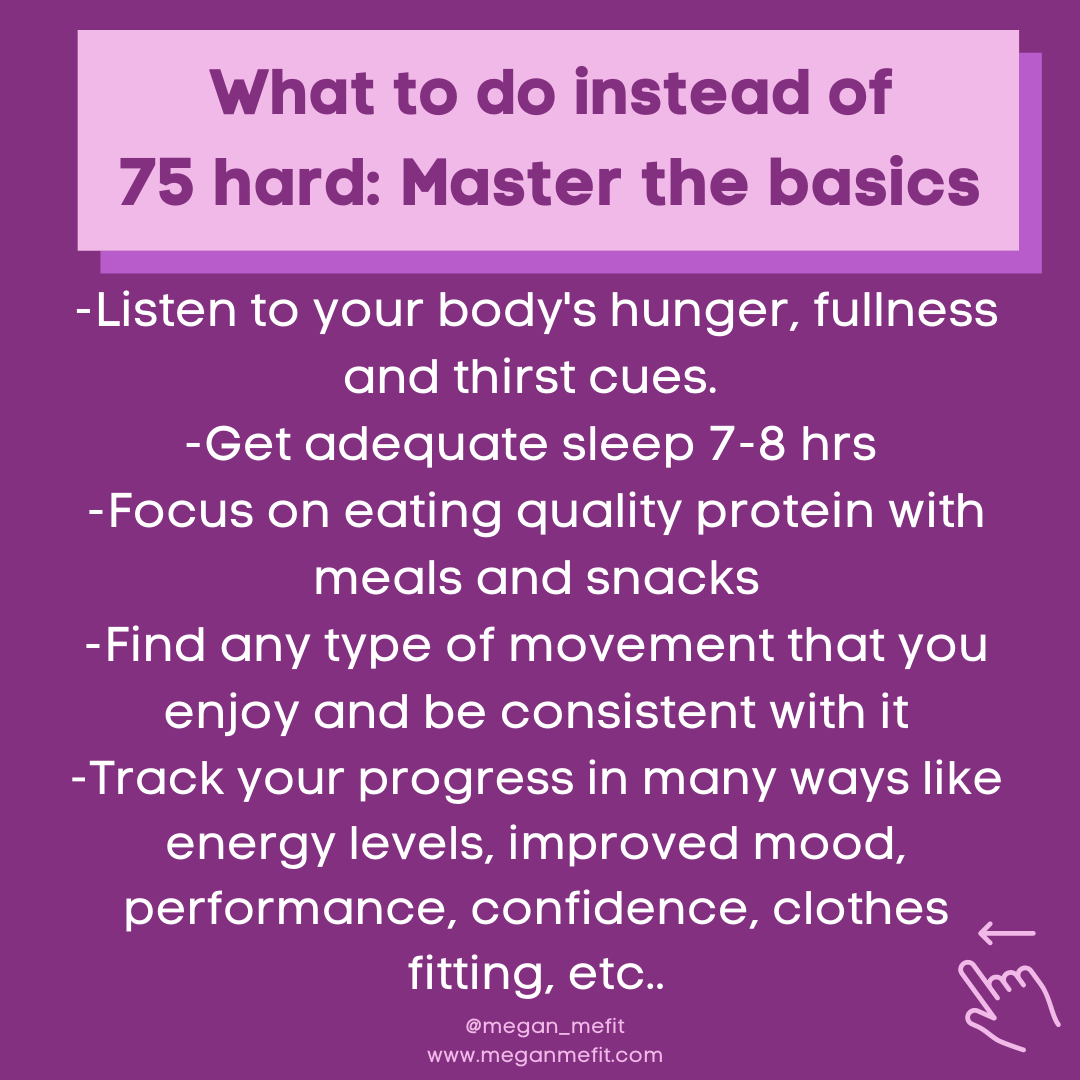
What to do instead of 75 hard? Master the basics! & apply for coaching 1:1 coaching today! 

What about milk alternatives ?

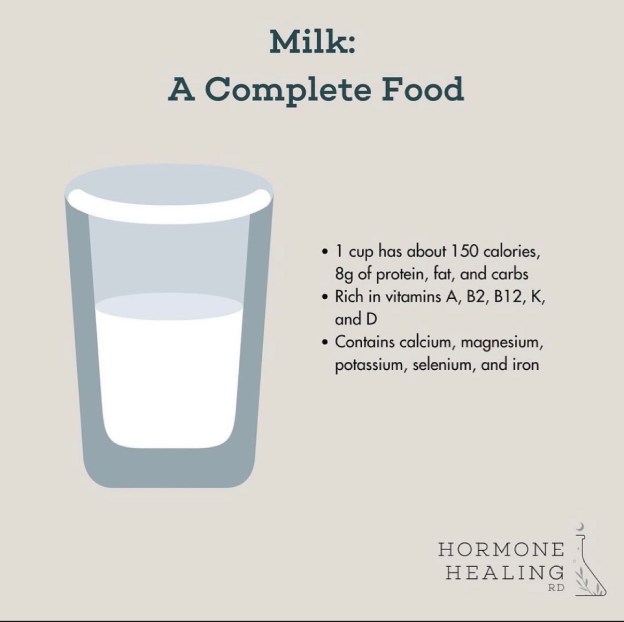
Today, I wanted to share @hormonehealingrd post on Milk alternatives.

Let’s start with comparing the top 4 most common milk alternatives to actual milk:⁣

1 cup of milk has about 150 calories and 8g of protein, fat, and carb. This makes it an extremely balanced food. ⁣


When replacing milk with something else, it is important to keep this in mind.⁣

If you swipe to the second image, you will see that none of the milk alternatives were as balanced in macros. ⁣

They also all lacked protein except for soy milk. Many people have soy allergies or health concerns when it comes to soy. It also often contains synthetic additives and isn’t the best flavor-wise, therefore, I don’t recommend it.


The other concern when it comes to these alternatives is that they all contain anti-nutrients called phytic acid. These bind to minerals and reduce absorption. ⁣

Lastly, almonds and soy both contain polyunsaturated fatty acids AKA PUFAs. ⁣
⁣These types of fat are less stable and can create more stress and inflammation in the body. ⁣

So what milk alternative do I recommend? ⁣

Hands down, coconut milk 🥥⁣

Coconut milk is much lower in phytic acid, it has saturated fats and medium chain triglycerides, which are both beneficial for hormone & metabolic health, AND it’s high in potassium (great for thyroid and overall health). ⁣

The biggest thing to remember is that there is very little protein in coconut milk. ⁣

If using it for a substitute for something like Greek yogurt, you’d want to make sure you add some protein in there (collagen or bone broth protein is a great option). ⁣

I hope this breakdown was helpful when considering a milk alternative. Please check out my dairy series for more info on successfully including dairy in a hormone friendly diet 🤓⁣ 🤍

Repost from @hormonehealingrd

#nutrition#controversialtopics#milkalternative#dairyfree#nutritionist#coconutmilk#milk

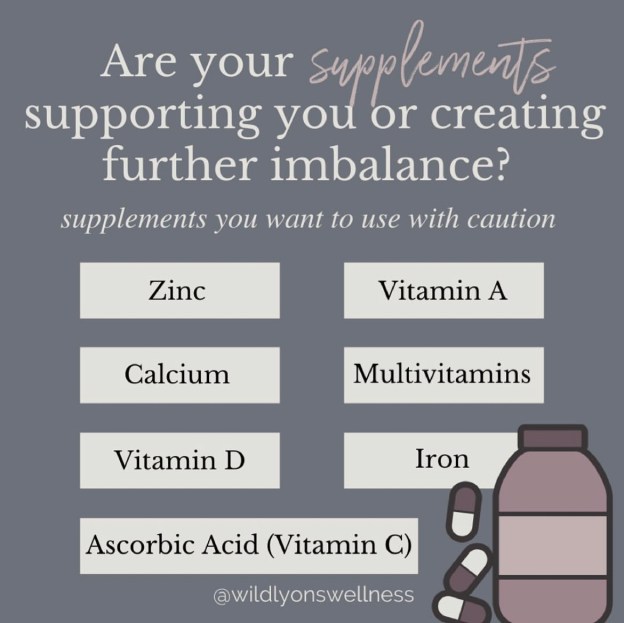
Supplements to be cautious with

How many times have you been told take these supplements? A multi or prenatal? Maybe you were told to consume foods enriched with vitamins A + D?

Or perhaps you were “influenced” by some random person to take said supplements promising to boost immunity, heal acne, or aid in weight loss.

I know girl, i’ve been there.

I get it. These nutrients are important but ONLY if they are in balance with one another.

Supplementing in isolation, in abundance, in the incorrect ratios will create an imbalanced mineral shit storm in your body.

Cough, cough, multivitamins + prenatals.

Minerals are a game of cofactors, they all work in relation to one another + need cofactors to be utilized. If one is deficient another will accumulate. This is our bodies defense mechanism.

Examples:

Zinc antagonizes copper as they compete for binding sites. If you are deficient in copper, iron accumulates.

Iron depletes vitamin E and we got enough of it floating around in our tissues, see previous posts.

Copper dysregulation is one of the most common things I see in my practice when hormone struggles are present.

Vitamin A in the form of beta carotene is not only hard to convert to retinol but it has an intimate relationship to vitamin D.

Calcium in excess to magnesium causes calcium to precipitate out of solution + contributes to calcium deposits, as well as magnesium deficiency.

Vitamin D in isolation causes issues with calcium metabolism (calcification), increases magnesium burn rate, decreases potassium, A + copper.

Vitamin C (ascorbic acid) is a derivative of vitamin C. This form depletes copper.

Multivitamins are never in the correct ratios, not nearly as bioavailable + typically synthetic.

Nature knows best + provides food in the perfect package with all the cofactors to support each nutrient, especially with the consumption of animal sourced foods. Bioavailability is 10 fold to supplements.

Foods to focus on: grass-fed meats + dairy, shellfish, eggs, roots, + fruits.

You want to be a nutrient-dense bitch, ditch the enriched. 💁🏻‍♀️👸🏻

For real tho, ditch the enriched foods, synthetic multi’s, + vitamins in isolation + work on getting your nutrients from food.

REPOST from @wildlyonswellness

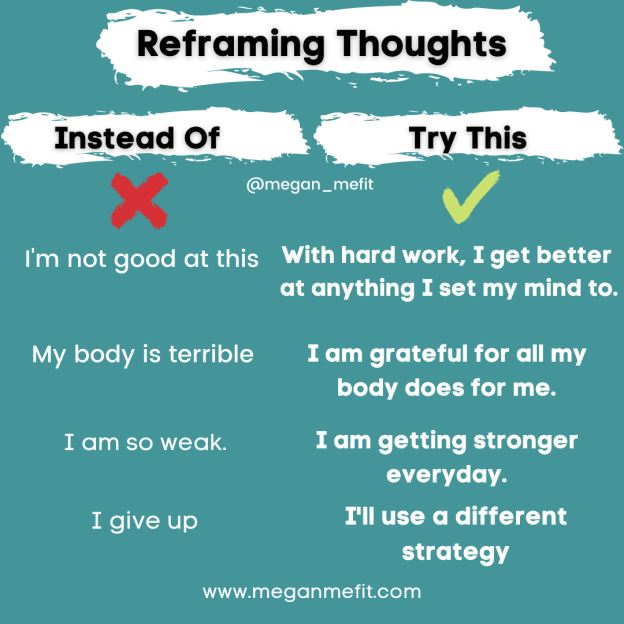
Reframing negative thoughts…

Many of us struggle with negative self-talk.⁠

We put ourselves down, criticize ourselves, and beat ourselves up… and some of us do it so much we don’t even realize we’re doing it!⁠

Negative self-talk can become a habit, and it’s an important habit to break because the thoughts and words we say and think shape our reality. 🙅🏾‍♀️🙅🏻‍♀️🙅🏿‍♀️🙅🏽‍♀️🙅🏼‍♀️ ⁠
Thankfully, studies have shown that using neutral or positive affirmations can help us rewire our brains and change our outlook! 🧠⁠

❓How❓⁠

By disrupting these negative thought patterns and reframing them into statements that serve you better. Basically, by being deliberate with your self-talk!⁠

Notice that these statements don’t have to be rah-rah positive if that doesn’t feel genuine to you. Neutral statements totally work in disrupting negative thought patterns. ⁠

(And once you’ve moved yourself securely into neutral statements, you can work on practicing turning neutral into positive.)⁠

Even if you have difficulty fully believing these affirmations right off the bat, the more you practice, the more you’ll be able to stop negative thoughts before they begin! ⁠

Let’s work together 🤗
Link in bio for coaching ✌🏼💜
🇺🇸 🎇 Use Discount code HOLIDAY to save 10% off first billing cycle!

#reframeyourthoughts
#cbttherapy#onlinenutritioncoach#nutriton#nutritionist#dietculturedropout#mindsetmatters#flipit#selfdevelopment#selfcompassion#awareness#awarenessiskey#explorepage
#onlinepersonaltrainer
#hudsonvalleyny#newwindsorny#newyorkfitness#healthylifestyle#whatyouthinkyoubecome